Magnetic camera filters have changed the way photographers use filters in the field. These clever tools use magnets to make attaching and removing filters much easier and faster. But how do magnetic camera filters actually work, and are they right for you?
Let’s break down the details in simple terms.
Table of Contents
How Magnetic Camera Filters Attach
Traditional camera filters screw onto the front of your lens. This can be slow, especially if you need to swap filters quickly or often. Magnetic filters use a different approach:
- Magnetic adapter ring: You first screw a thin metal ring onto your lens. This ring stays in place.
- Magnetic filter: Each filter has a built-in magnet. When you bring the filter close to the adapter ring, it snaps in place instantly.
This system works because the magnetic force is strong enough to hold the filter securely, but not so strong that you can’t remove it easily. It also means you don’t risk cross-threading or damaging the lens threads.
Types Of Magnetic Camera Filters
Most popular filters are now available in magnetic versions. Some common types include:
- ND (Neutral Density) filters: Reduce the amount of light entering the lens, useful for long exposures.
- Polarizers: Cut glare and reflections, making skies bluer and water clearer.
- UV filters: Protect the lens and block UV light.
You can even stack magnetic filters. For example, you might use an ND filter with a polarizer at the same time.
Here’s a quick comparison of traditional screw-on vs. magnetic filters:
| Feature | Traditional Screw-On | Magnetic |
|---|---|---|
| Attachment Speed | Slow | Fast |
| Stacking Filters | Possible but difficult | Easy |
| Risk of Cross-Threading | Yes | No |
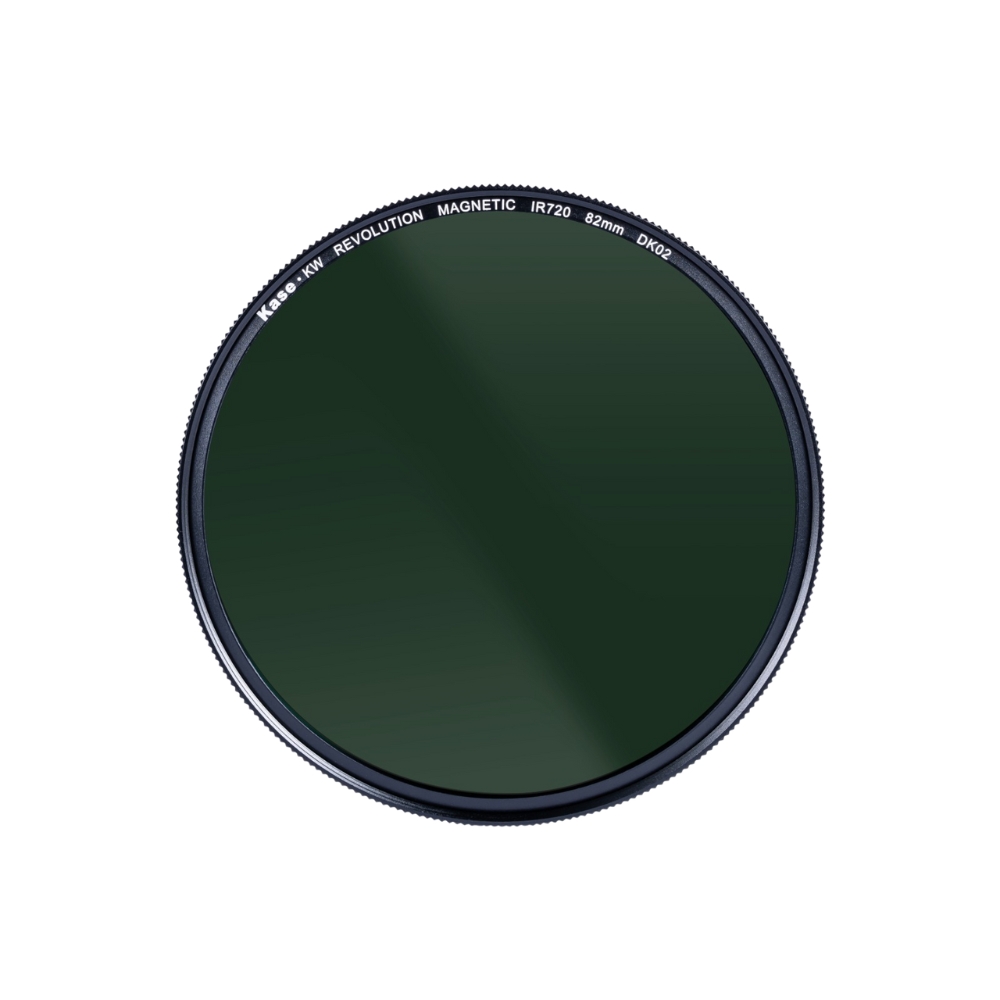
Credit: kasefilters.eu
Benefits And Drawbacks
Photographers love magnetic filters for their speed and convenience. You can change filters in seconds, which is great when the light changes quickly. They’re also less likely to get stuck or jammed.
However, there are a few downsides:
- Cost: Magnetic filters are often more expensive than regular ones.
- Lens compatibility: You need a separate adapter ring for each lens thread size.
- Magnetic interference: Very rarely, strong magnets could affect some electronic components, but this is uncommon.
Here’s a look at typical price ranges:
| Filter Type | Average Price (USD) | Magnetic Version Price (USD) |
|---|---|---|
| ND Filter | $40–$80 | $60–$120 |
| Polarizer | $30–$70 | $50–$100 |
Non-obvious Tips For Beginners
Many beginners miss that magnetic filters can attract metal dust when shooting in dusty places. Always check and clean them before reattaching. Also, the adapter ring is easy to forget on your lens—double check before storing your lens or switching lenses.
Magnetic camera filters are a smart upgrade for anyone who wants to speed up their workflow and avoid hassle in the field. They save time, reduce wear on your gear, and let you focus more on creativity.

Credit: zeerawireless.com
Frequently Asked Questions
How Strong Are The Magnets In Magnetic Camera Filters?
The magnets are strong enough to hold filters securely, even when walking or moving the camera, but you can still remove them easily by hand.
Can I Stack Multiple Magnetic Filters At Once?
Yes, you can stack several magnetic filters. Just be careful—too many layers can cause vignetting (dark corners).
Will Magnetic Filters Fit Every Lens?
You need the correct adapter ring size for your lens. Some very wide or unusual lenses may not be compatible.
Do Magnetic Filters Affect Image Quality?
High-quality magnetic filters have no negative effect on image quality. Always choose reputable brands for best results.
Where Can I Learn More About Magnetic Filters?
Check out this detailed guide from B&H Photo for more information.
Magnetic camera filters offer speed, convenience, and reliability. For many photographers, they’re a simple way to make shooting easier and more enjoyable.