Table of Contents
Mastering Your Action Camera: A Guide To Mounts And Angles
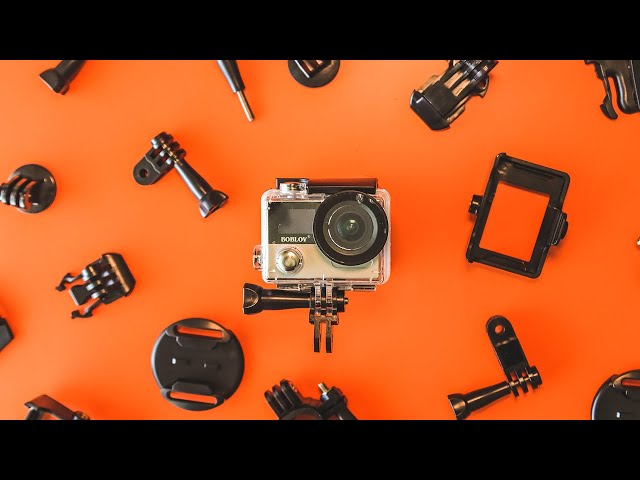
Action cameras are amazing tools for capturing life’s adventures, from epic bike rides to serene underwater dives. But the camera itself is only half the story. The real magic happens when you pair it with the right action camera mounts. These mounts are your key to getting those dynamic, immersive shots that make your videos pop. Choosing and using them correctly can turn a shaky, forgettable clip into a breathtaking cinematic experience. This guide will walk you through the different types of mounts available, how to use them effectively, and some tips to ensure you capture the best footage possible.
Understanding Different Action Camera Mount Types
The variety of mounts available for action cameras can seem overwhelming at first. Each type is designed for a specific purpose and mounting surface, offering unique perspectives. Understanding these differences is the first step to unlocking your camera’s full potential.
Adhesive Mounts
Adhesive mounts are perhaps the most common and versatile. They use strong, double-sided tape, often from brands like 3M, to stick directly onto smooth, non-porous surfaces. You’ll find them in flat and curved versions. Flat mounts are best for flat surfaces like car dashboards or helmets, while curved mounts are designed to contour to rounded objects like helmets or kayaks.
- Pros: Easy to apply, very secure when applied correctly, lightweight, and can be placed almost anywhere.
- Cons: Can leave residue if removed improperly, not ideal for rough or flexible surfaces, and permanence can be a drawback if you need to reposition often.
- Best For: Helmets, kayaks, surfboards, car dashboards, snowboards.
Clamp And Clip Mounts
Clamp mounts and clip mounts offer a tool-free way to attach your camera. Clamp mounts have an adjustable jaw that grips onto objects like handlebars, roll bars, or ski poles. Clip mounts usually have a strong spring-loaded clip to attach to clothing, backpack straps, or hats.
- Pros: Easy to attach and remove, no sticky residue, good for temporary setups.
- Cons: Can be bulky, may vibrate more than adhesive mounts, limited by the object’s size or shape for clamping.
- Best For: Handlebars, ski poles, backpack straps, shirt collars, railings.
Suction Cup Mounts
Suction cup mounts are ideal for smooth, hard surfaces like car windshields or windows. They create a strong vacuum seal, offering a very secure hold. Many professional automotive videographers rely on these for car-mounted shots.
- Pros: Extremely strong grip on smooth surfaces, easy to attach and remove, good for vibration-free shots.
- Cons: Only work on very smooth, non-porous surfaces, can fail in extreme temperatures or if the surface is dirty.
- Best For: Car windshields, car windows, boat windshields, smooth tabletops.
Specialized Mounts
Beyond the common types, there are many specialized mounts for specific activities. These include:
- Chest Mounts: Offer a first-person perspective, showing what you see as you move.
- Head Straps: Similar to chest mounts, providing a point-of-view shot from your head.
- Wrist Straps: Allow you to wear your camera on your wrist for quick, easy capture.
- Pole Mounts (Selfie Sticks): Extend your camera’s reach for wider shots or to get yourself in the frame.
- Drone Mounts: Specifically designed for attaching action cameras to drones for aerial footage.

Credit: www.youtube.com
Achieving The Best Angles And Perspectives
Simply attaching a mount isn’t enough. The way you position your camera can drastically change the feel of your video. Experimentation is key, but here are some common perspectives and how to achieve them.
The First-person View (pov)
This is the classic action camera perspective, showing exactly what the wearer sees. It’s immersive and makes the viewer feel like they are part of the action.
- How to Get It: Use chest mounts or head straps. Position the camera so it points straight ahead, avoiding your chin or forehead from blocking the view. Ensure the mount is snug and doesn’t move around excessively.
The Third-person View
This perspective shows the subject (often yourself) from a slightly removed viewpoint. It’s great for showcasing skills, equipment, or the environment.
- How to Get It: Use pole mounts (selfie sticks) held out to the side or in front. Alternatively, use a clamp mount on a nearby object (like a bike frame or a friend’s helmet) to capture you from a different angle.
The Vehicle Mount
Capturing action from or around a vehicle offers a dynamic range of shots.
- How to Get It: Suction cup mounts on windshields or windows provide stable interior or exterior views. Adhesive mounts can be placed on the hood, trunk, or side panels for unique angles. Clamp mounts are perfect for handlebars or roll cages. Always ensure the mount is extremely secure for vehicle use.
The Underwater Perspective
Action cameras are often used for diving and snorkeling.
- How to Get It: Many cameras are waterproof on their own, but specialized underwater housings and floating hand grips or pole mounts are essential. Mounts can attach to masks, BCDs (Buoyancy Control Devices), or be held for clear shots of marine life and reefs.
Pro Tips For Using Action Camera Mounts
Getting great footage isn’t just about the mount; it’s about how you use it. Here are some crucial tips that many beginners overlook.
- Pro Tip: Always clean the mounting surface thoroughly before applying an adhesive or suction cup mount. Use rubbing alcohol or a specialized cleaner to remove dirt, grease, and oils. This is the single most important step for ensuring a secure attachment.
- Test Your Mount: Before heading out on a major adventure, do a short test run. Attach the mount and camera and go for a quick walk, bike ride, or drive. Check for excessive vibration or shifting. A loose mount can lead to lost footage or even a damaged camera.
- Secure All Connections: Most mounts use a combination of screws and articulating arms. Ensure every locking mechanism is tightened properly. The small plastic thumbscrews can loosen over time, especially with vibration.
- Consider the Environment: Extreme heat or cold can affect the adhesive on mounts and the performance of suction cups. Wet or sandy conditions can compromise grip. Choose your mount type based on where you’ll be filming.
- Add a Tether: For high-risk activities like surfing or skiing, consider using a safety tether. Attach a thin, strong cord from your camera to a secure point on your body or equipment. This is a crucial backup in case the primary mount fails.
- Vibration Dampening: Even with secure mounts, vibrations can degrade video quality. Some mounts come with anti-vibration pads, or you can add them yourself. For cars, ensure the mount is on a solid part of the chassis, not a flimsy panel.
Here’s a look at how different mount types perform in various scenarios:
| Mount Type | Best For Use Cases | Security Level (High Surfaces) | Ease of Use | Vibration Resistance |
|---|---|---|---|---|
| Adhesive | Helmets, kayaks, snowboards, smooth plastics | Very High | Medium | Good |
| Clamp/Clip | Handlebars, clothing, backpack straps | Medium to High | High | Fair |
| Suction Cup | Car windshields, glass, smooth metal | Very High | High | Excellent |
| Chest/Head Strap | First-person perspective, sports, hiking | High | High | Fair |
| Pole Mount | Getting wider shots, selfies, reaching tight spots | Low to Medium | High | Poor |
Credit: www.youtube.com