Table of Contents
Can You Layer Lens Filters
Photographers often use lens filters to change how their photos look. Filters can block light, reduce glare, or add creative effects. But many wonder: can you layer lens filters on top of each other? The answer is yes, but there are important things to consider. This article explains the benefits, problems, and best practices for stacking filters, so you can decide if layering is right for your photography.
Why Layer Lens Filters?
Layering filters lets you combine different effects. For example, you might want both a polarizer to cut reflections and a neutral density (ND) filter to slow down shutter speed. By stacking, you can achieve results that one filter alone cannot provide.
Some photographers layer filters to:
- Improve image quality—reducing glare and balancing exposure.
- Add creative effects—like color shifts, soft focus, or light streaks.
- Protect the lens—using a UV filter as a base layer.
However, each added filter can change the light entering the lens, which affects your final image.
Risks And Drawbacks
While stacking filters offers flexibility, it also brings challenges. Here’s a quick look at the main issues:
| Risk | Impact |
|---|---|
| Vignetting | Dark corners in photos, especially with wide-angle lenses |
| Image Degradation | Loss of sharpness and increased flare |
| Extra Weight | Heavier front end, possible stress on lens thread |
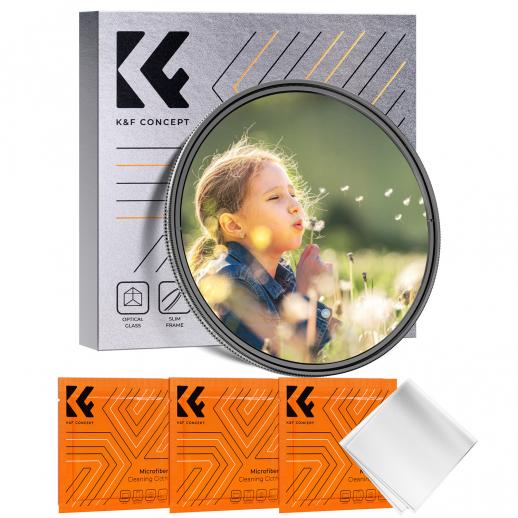
Vignetting is the most common problem. When filters stick out from the lens, they block part of the frame. Using slim filters can help, but stacking two or more still risks dark edges.
Credit: www.kentfaith.com
Best Practices For Layering Filters
If you decide to layer, follow these tips to get better results:
- Use high-quality filters with multi-coating to reduce glare and distortion.
- Stack only essential filters. Avoid combining more than two unless absolutely needed.
- Place the polarizer last (closest to the front) for easy adjustment.
- Check for vignetting by taking test shots, especially on wide lenses.
Here is a comparison of filter stacking outcomes:
| Number of Filters | Vignetting Risk | Image Quality |
|---|---|---|
| 1 | Low | Excellent |
| 2 | Medium | Good |
| 3+ | High | Fair/Poor |
Some beginners miss that filter threads can wear out faster with frequent stacking. Always remove filters gently to avoid damage.
Practical Examples
Many landscape photographers layer a polarizer and an ND filter to capture waterfalls with smooth water and reduced glare. In city photography, combining a UV filter and a color filter can help manage haze and boost tones.
Recent surveys show that about 40% of professional photographers stack filters occasionally, but only 10% do so regularly. Most prefer single filters to keep images sharp.
For more detailed filter advice, visit B&H Photo.

Credit: www.amazon.com
Frequently Asked Questions
Can Stacking Filters Damage My Lens?
Stacking does not usually damage the lens, but too many filters can stress the threads. Always tighten filters gently.
How Many Filters Can I Safely Stack?
Most experts recommend no more than two filters. More can cause vignetting and reduce image quality.
Will Stacking Filters Affect Autofocus?
Yes, extra glass can make autofocus slower and less accurate, especially in low light.
Are There Special Filters For Stacking?
Yes, slim filters are made for stacking. They help reduce vignetting and weight.
Can I Use Filter Stacking On Any Camera?
You can stack filters on most cameras with threaded lenses. Some compact cameras do not support filter stacking.
Layering lens filters is possible and sometimes useful, but it comes with trade-offs. By understanding the risks and following best practices, you can get the benefits without ruining your shots. Always test before important shoots and choose quality filters for best results.