Many photographers and videographers hear about CPL lenses and ND filters when they start using cameras. Both tools change how light enters your camera, but their roles are quite different. Understanding how they work helps you choose the right one for each situation.
Table of Contents
What Is A Cpl Lens?
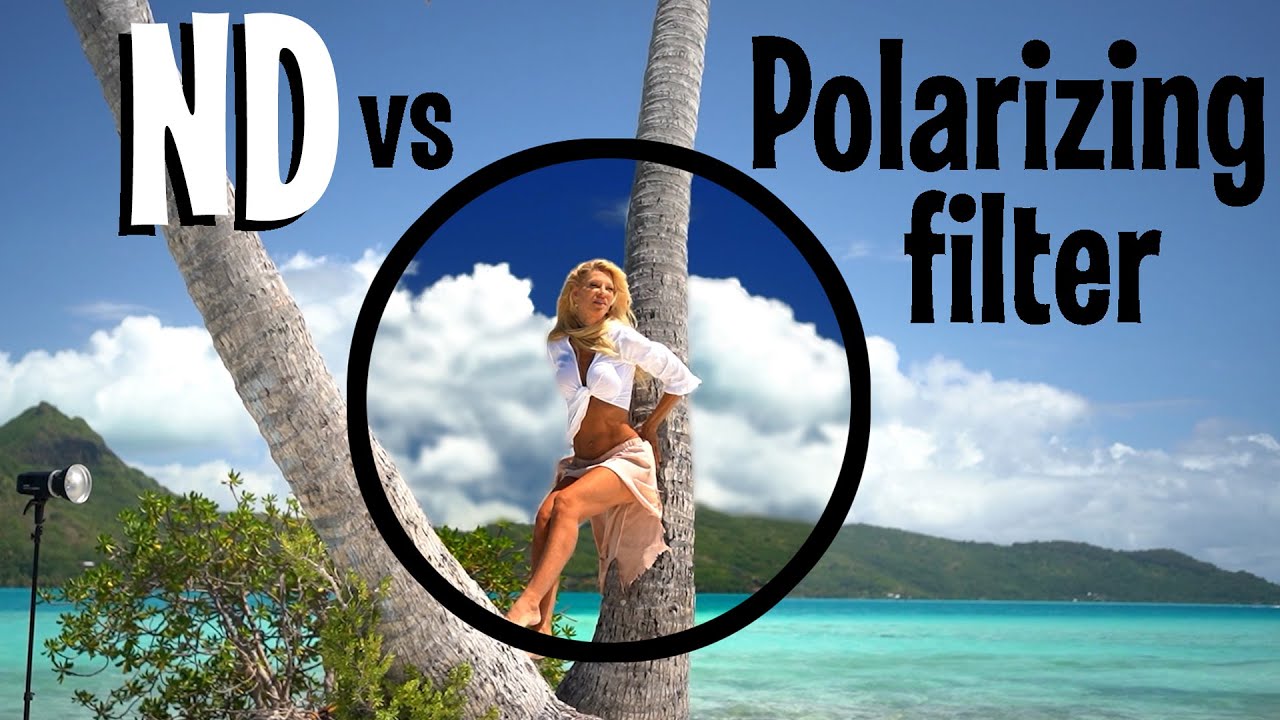
A CPL lens stands for Circular Polarizer Lens. This filter screws onto the front of your camera lens. Its main job is to cut down reflections and glare from surfaces like water, glass, or wet roads. It also makes the colors in your photos look richer and more vibrant.
For example, when you photograph a lake, a CPL lens can help you see beneath the water by reducing glare. It can also make blue skies look deeper and clouds stand out more. You twist the CPL filter to adjust the effect, which gives you control over how much polarization you want.
What Is An Nd Filter?
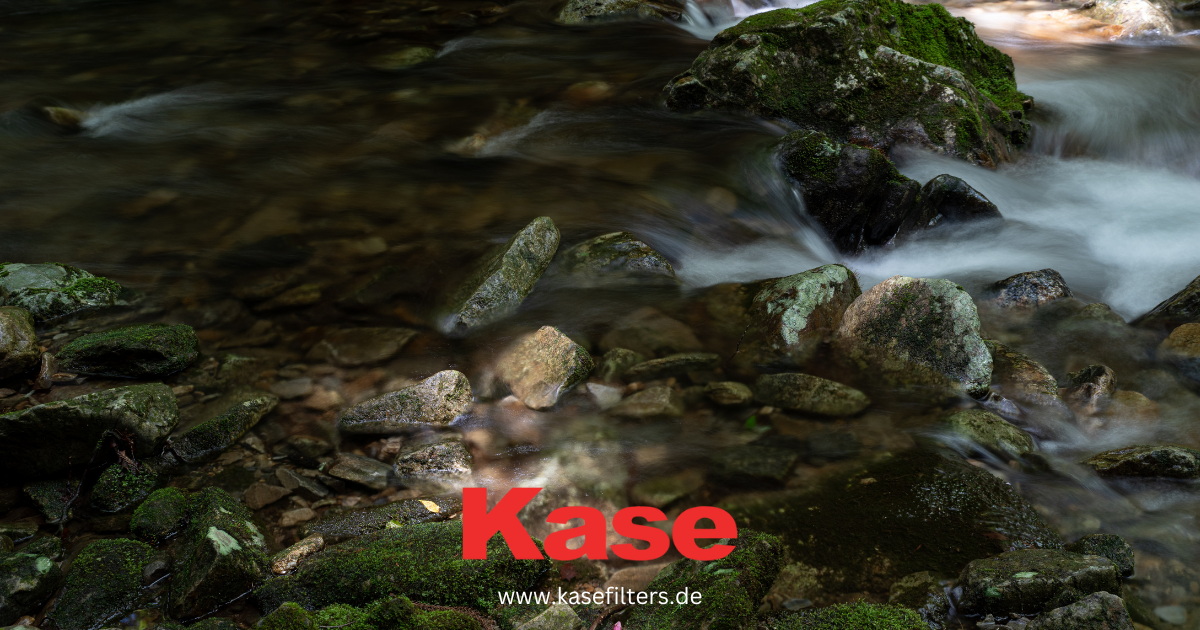
An ND filter, or Neutral Density filter, is like sunglasses for your camera. It reduces the amount of light entering the lens without changing the color of the scene. ND filters are useful when you want to use a slow shutter speed in bright light, such as when photographing waterfalls to make water look silky smooth.
ND filters come in different strengths, usually marked by numbers like ND4, ND8, or ND1000. The higher the number, the darker the filter, and the less light reaches your camera sensor.
Credit: www.youtube.com
Key Differences Between Cpl Lens And Nd Filter
Here’s a simple comparison to make the differences clear:
| Feature | CPL Lens | ND Filter |
|---|---|---|
| Main Purpose | Reduce reflections, boost colors | Control light intensity |
| Color Change | Can enhance colors | No color change |
| Best Use | Landscapes, water, sky | Long exposures, video |
Example Situations
- Shooting a waterfall in sunlight: ND filter lets you use a slow shutter speed without overexposing the photo.
- Photographing a city skyline through glass: CPL lens removes window reflections for a clearer shot.
Can You Use Both Together?
Yes, you can stack a CPL lens and ND filter for more creative control. For example, you can remove glare and also use a slow shutter speed on a sunny day. However, stacking filters may cause vignetting (dark corners) on wide lenses. It’s best to check your lens size and filter thickness to avoid problems.

Credit: www.youtube.com
Comparison Table: Cpl Lens Vs Nd Filter
| Filter Type | Main Benefit | Common Weakness |
|---|---|---|
| CPL Lens | Removes glare, enhances color | Reduces light by 1–2 stops |
| ND Filter | Controls exposure time | No effect on reflections |
Final Thoughts
Choosing between a CPL lens and an ND filter depends on your creative goal. If you want clearer colors and less glare, use a CPL. If you need to slow down your shutter in bright light, choose an ND filter. Both tools are essential for different photography styles, and learning when to use each will improve your images.
Credit: kasefilters.eu
Frequently Asked Questions
What Does A Cpl Lens Do?
A CPL lens reduces reflections and makes colors more vivid in outdoor photos.
When Should I Use An Nd Filter?
Use an ND filter when you want a slower shutter speed or wider aperture in bright light, such as for smooth water effects.
Can A Cpl Lens Replace An Nd Filter?
No, a CPL lens and ND filter serve different purposes. CPL handles reflections; ND handles light reduction.
Are There Filters That Combine Cpl And Nd?
Yes, some filters mix both effects. They are called CPL-ND filters, but quality can vary.
Where Can I Learn More About Camera Filters?
You can find more details on the Wikipedia page about photographic filters.