Traveling with a camera bag can be stressful, especially if you are unsure about TSA rules. Many travelers worry about whether their camera gear will pass through airport security without issues. Understanding what you can bring, how to pack, and what to expect at the checkpoint will help you move through TSA smoothly and keep your equipment safe.
Table of Contents
Tsa Rules For Camera Bags
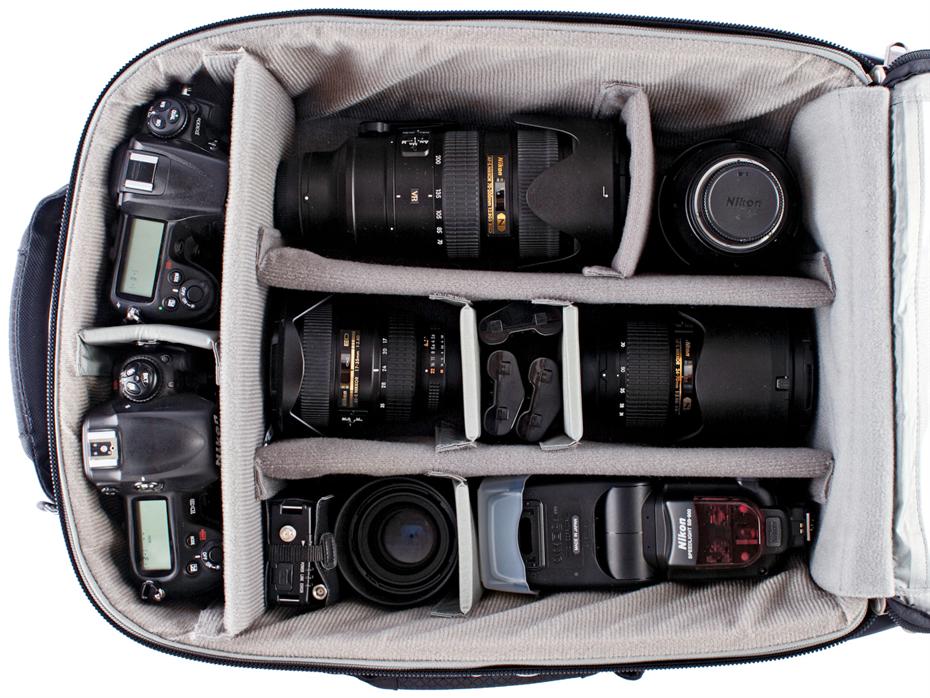
The Transportation Security Administration (TSA) allows camera bags through security checkpoints. Cameras, lenses, and accessories are permitted in both carry-on and checked luggage. However, for safety, most photographers prefer to keep their expensive gear in a carry-on.
It’s important to note that TSA agents may ask you to remove cameras or electronics from your bag for separate screening. This is similar to how laptops are checked. If you have multiple lenses or batteries, they may be examined individually.
Size And Packing Guidelines
TSA does not set a specific size for camera bags. Instead, the size must follow your airline’s carry-on limits. Most US airlines allow bags up to 22 x 14 x 9 inches.
| Airline | Carry-On Size Limit |
|---|---|
| Delta | 22 x 14 x 9 in |
| United | 22 x 14 x 9 in |
| American | 22 x 14 x 9 in |
Keep your bag organized. Use padded dividers for protection. Place batteries and memory cards in easy-to-access pockets. TSA prefers when items are not stacked or hidden, as this can delay inspection.

Credit: www.ulanzi.com
Batteries, Film, And Accessories
Lithium batteries have special rules. Spare lithium-ion batteries must stay in your carry-on and be individually protected. Most camera batteries are under the 100Wh limit, but check your battery’s capacity to be sure.
Film is sensitive to X-rays. If you carry film (especially ISO 800+), ask for a hand check to avoid damage. TSA agents are trained for this request.
Accessories like tripods, flashes, and cables are allowed. Very large tripods may count as a separate carry-on or need to be checked, depending on the airline.
Tips For Smooth Screening
- Arrive early: Screening camera equipment can take extra time.
- Label your bag: It helps if your bag is separated.
- Separate electronics: Remove large cameras, lenses, and batteries before screening.
- Know the rules: Check the TSA website for updates or special notices.
Here is a quick comparison of what is allowed in carry-on vs checked bags:
| Item | Carry-On | Checked Bag |
|---|---|---|
| Camera body | Yes | Yes |
| Lenses | Yes | Yes |
| Spare lithium batteries | Yes | No |
| Film | Yes (Hand check) | Yes (Risk of X-ray damage) |
If you are traveling internationally, check both TSA and your destination’s rules.
Bringing a camera bag through TSA is usually simple with a little preparation. Knowing the rules and packing smartly will keep your gear safe and your trip stress-free.
Credit: ishootshows.com
Frequently Asked Questions
Can I Bring A Camera Bag As A Personal Item?
Yes, if your camera bag fits under the seat and meets the airline’s personal item size, it can be your personal item.
Do I Need To Remove My Camera From My Bag At Tsa?
In most cases, yes. TSA agents may ask you to place cameras and large lenses in a separate bin for screening.
Are Tripods Allowed In Carry-on Luggage?
Small tripods usually fit in carry-on bags. Large ones may need to go in checked luggage.
What About Drone Cameras?
Drones are allowed, but lithium batteries must be in your carry-on. Some airlines have extra restrictions, so check ahead.
Is It Safe To Bring Undeveloped Film Through Tsa?
Film under ISO 800 is usually safe, but repeated X-ray scans can cause damage. For peace of mind, request a hand check. For more details, see the TSA’s official film guidelines.