Capturing your surf session with a camera can turn any wave into a memory you can share. Many surfers now use a shoulder mount for their action cameras, hoping for the perfect balance between stability and point-of-view footage. But is this setup right for everyone? Let’s look at the real pros and cons before you invest.
Table of Contents
What Is A Surfing Camera Shoulder Mount?
A shoulder mount is a harness or strap system that lets you secure a camera near your shoulder. This position is meant to give viewers a realistic view of the surfer’s ride, including the board and the surrounding waves. Unlike helmet or board mounts, the shoulder mount aims for a natural angle without blocking your vision.
Pros Of Using A Shoulder Mount For Surfing
A shoulder mount offers unique advantages for surfers and content creators.
1. Natural Point-of-view Footage
The shoulder angle captures both your movements and the wave, creating immersive videos. It often looks more “true-to-life” compared to chest or board mounts.
2. Stable Video
Because the shoulder absorbs some shocks, footage is less shaky than head mounts. The body’s natural movement helps smooth out bumps.
3. Unobstructed Field Of Vision
Unlike a helmet mount, the camera doesn’t block your sight. You can focus fully on the wave ahead.
4. Safer For The Camera
A shoulder position keeps your camera away from the impact zone if you wipe out, reducing the risk of damage compared to board mounts.
Here’s a quick look at how the shoulder mount compares to other popular mount types:
| Mount Type | POV Quality | Stability | Safety |
|---|---|---|---|
| Shoulder | High | Medium-High | High |
| Helmet | Medium | Medium | Medium |
| Board | Low-Medium | Low | Low |
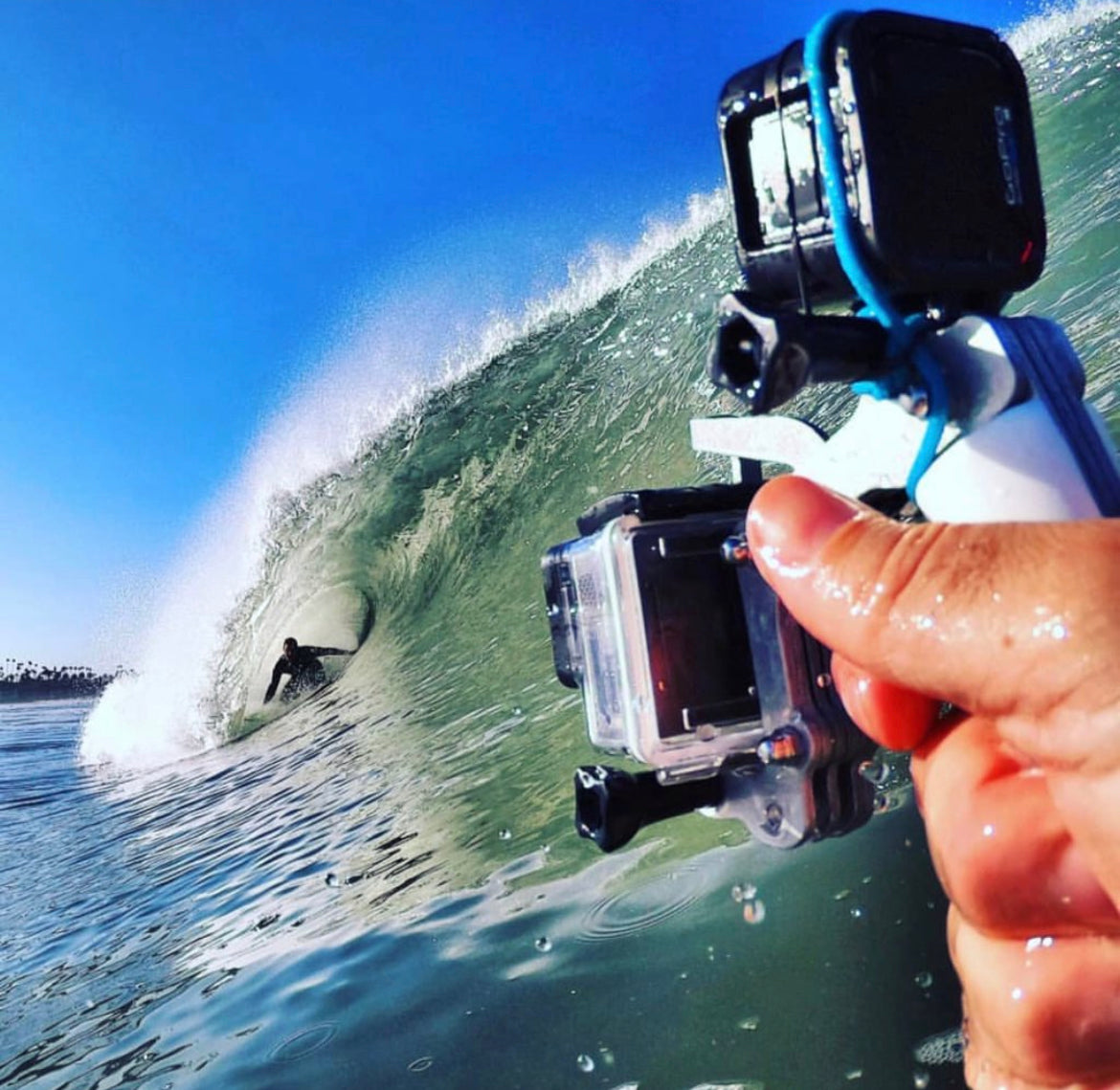
Credit: getgdome.com
Cons Of A Surfing Camera Shoulder Mount
While the shoulder mount has benefits, it also comes with drawbacks.
1. Comfort Issues
The extra weight and straps can feel awkward, especially in long sessions or tight wetsuits.
2. Risk Of Snagging
In heavy surf, the harness can catch on your leash or board, increasing the risk of injury.
3. Limited Adjustability
Most mounts have fixed positions. Getting the perfect angle may take trial and error.
4. Water Resistance Concerns
Not all shoulder systems are designed for saltwater. Straps can wear out or corrode over time.
Here’s how comfort and safety compare across different mounts:
| Mount Type | Comfort | Snag Risk |
|---|---|---|
| Shoulder | Medium | Medium |
| Helmet | High | Low |
| Board | High | Low |
Who Should Use A Surfing Shoulder Mount?
If you value immersive footage and are comfortable with some extra gear, the shoulder mount is worth trying. Surfers who make tutorials or want to review their technique often love this angle. However, if you surf in big waves or are new to using camera gear in water, consider starting with a chest or helmet mount first.

Credit: www.ebay.com
Frequently Asked Questions
How Secure Is A Camera Shoulder Mount In Big Waves?
A high-quality mount with strong straps is fairly secure, but heavy wipeouts can still dislodge it.
Is A Shoulder Mount Suitable For All Camera Types?
Most action cameras like GoPro work well, but larger cameras may be too heavy for stable footage.
Can A Shoulder Mount Affect Paddling?
Yes, especially if the harness is bulky or poorly adjusted. It can cause rubbing or restrict movement.
How Do I Clean And Maintain My Mount?
Rinse with fresh water after each session and let it dry completely. Check straps for salt damage regularly.
Are Shoulder Mounts Allowed In Competitions?
Some events limit equipment for safety reasons. Always check the competition rules or visit the World Surf League for guidance.
Choosing the right camera mount can make all the difference in your surfing videos. A shoulder mount offers a great POV, but it’s important to weigh comfort and safety before paddling out.