People with chronic obstructive pulmonary disease (COPD) often face difficulty breathing, especially during flare-ups. When symptoms become severe, many naturally move into the tripod position—a unique posture that can make breathing easier. Understanding this position is important for patients, caregivers, and healthcare professionals because it signals respiratory distress and can help guide treatment decisions.
Table of Contents
What Is The Tripod Position?
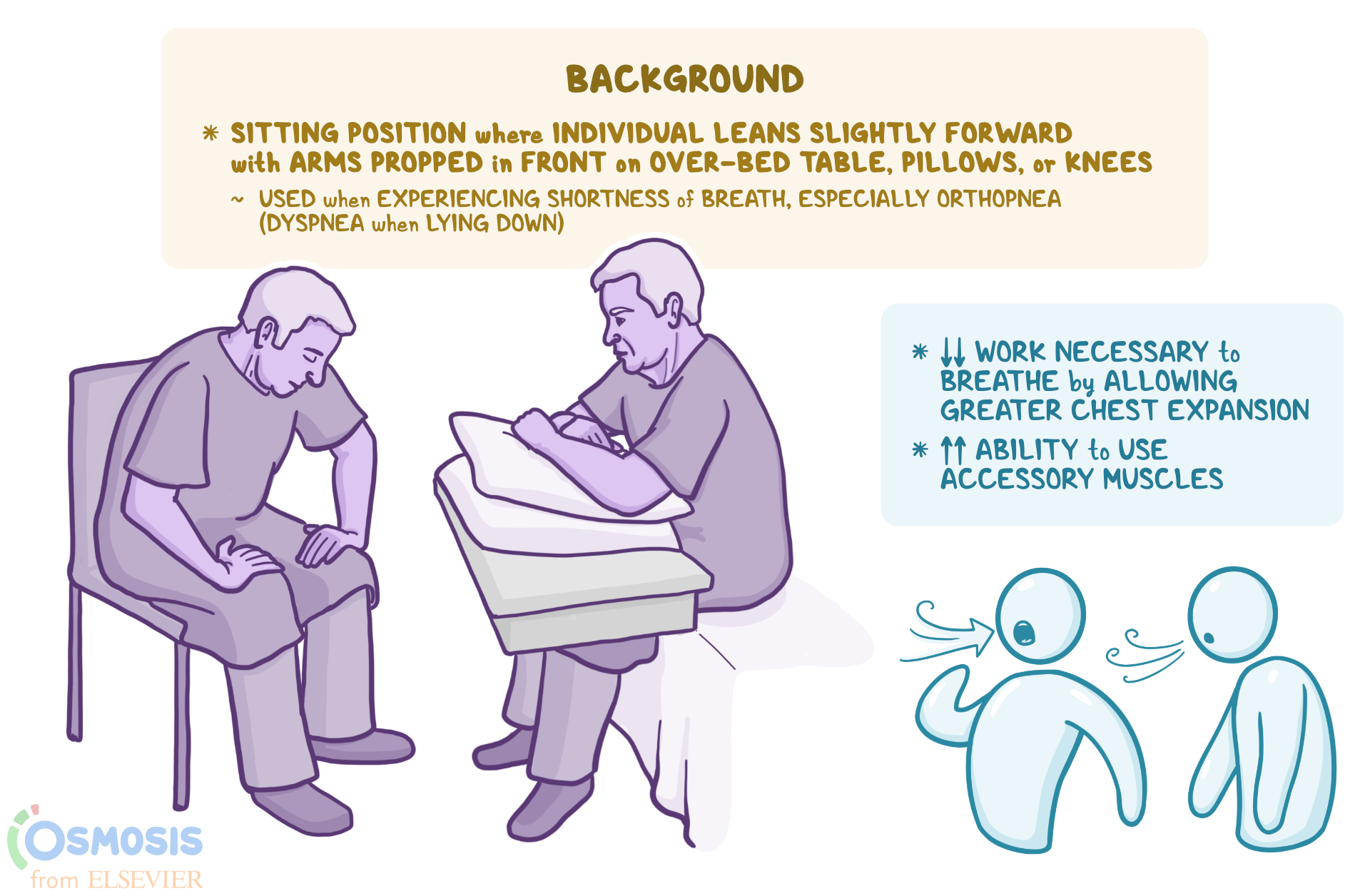
The tripod position involves sitting or standing while leaning forward, with hands placed on knees, a table, or another support. This posture is instinctive for many experiencing severe breathing problems. In COPD, it helps the body use accessory muscles to breathe more effectively.
People in this position often:
- Lean forward from the waist
- Support themselves with their arms
- Keep their neck extended
- Have elbows slightly bent
The tripod position is not exclusive to COPD; it is also seen in asthma, heart failure, and other conditions causing shortness of breath.
Why Do Copd Patients Use The Tripod Position?
COPD damages the lungs, making it hard to move air in and out. The tripod position allows patients to:
- Increase chest expansion: Leaning forward lets the lungs expand more fully.
- Engage accessory muscles: Muscles in the neck, shoulders, and chest help pull air in.
- Reduce work of breathing: This posture helps use energy more efficiently.
A quick comparison of breathing effort in different positions:
| Position | Accessory Muscle Use | Breathing Difficulty |
|---|---|---|
| Upright | Low | High |
| Supine (lying flat) | Minimal | Highest |
| Tripod | Maximal | Lowest |

Credit: www.osmosis.org
Recognizing The Tripod Position
Spotting the tripod position is important in emergency and home care settings. It often means the person is having trouble breathing and may need help. Some signs include:
- Visible use of neck muscles
- Fast, shallow breathing
- Sweating or anxious expression
Healthcare workers may use the tripod position as a clue to assess the severity of a COPD flare.
Practical Tips For Copd Patients
If you feel breathless:
- Move to the tripod position
- Use a sturdy chair or table for support
- Focus on slow, deep breaths
However, this position is not a cure. If symptoms persist or worsen, call your doctor or seek emergency care.
A comparison of effectiveness for different breathing aids:
| Method | Breathing Relief | Accessibility |
|---|---|---|
| Tripod Position | Moderate | Easy |
| Oxygen Therapy | High | Requires Equipment |
| Inhalers | High | Requires Prescription |
Credit: www.osmosis.org
Frequently Asked Questions
What Does The Tripod Position Look Like?
The tripod position means leaning forward with hands on knees or a table, elbows bent, and neck extended.
Is The Tripod Position Only Seen In Copd?
No, it is common in other conditions like asthma and heart failure that cause severe shortness of breath.
Does The Tripod Position Cure Copd Symptoms?
It does not cure symptoms but helps patients breathe more comfortably during attacks or flare-ups.
When Should Someone Seek Help If Using The Tripod Position?
If breathing does not improve or worsens, seek medical help immediately. The tripod position is a sign of serious distress.
Can The Tripod Position Be Used With Other Breathing Methods?
Yes, combining it with pursed-lip breathing or using inhalers can provide extra relief.
Recognizing the tripod position in COPD is crucial for quick action and support. This simple posture can make a big difference in comfort, but it is also a warning sign that should never be ignored. For more information on COPD and breathing techniques, visit CDC COPD Information.