Many photographers wonder if gimbals—popular tools for videography—offer benefits for still photography. While gimbals are known for creating smooth video, their value for capturing sharp, high-quality still images is less obvious. Let’s explore how gimbals impact still photography, when they help, and when they might not be worth the investment.
Table of Contents
How Gimbals Work For Still Photography
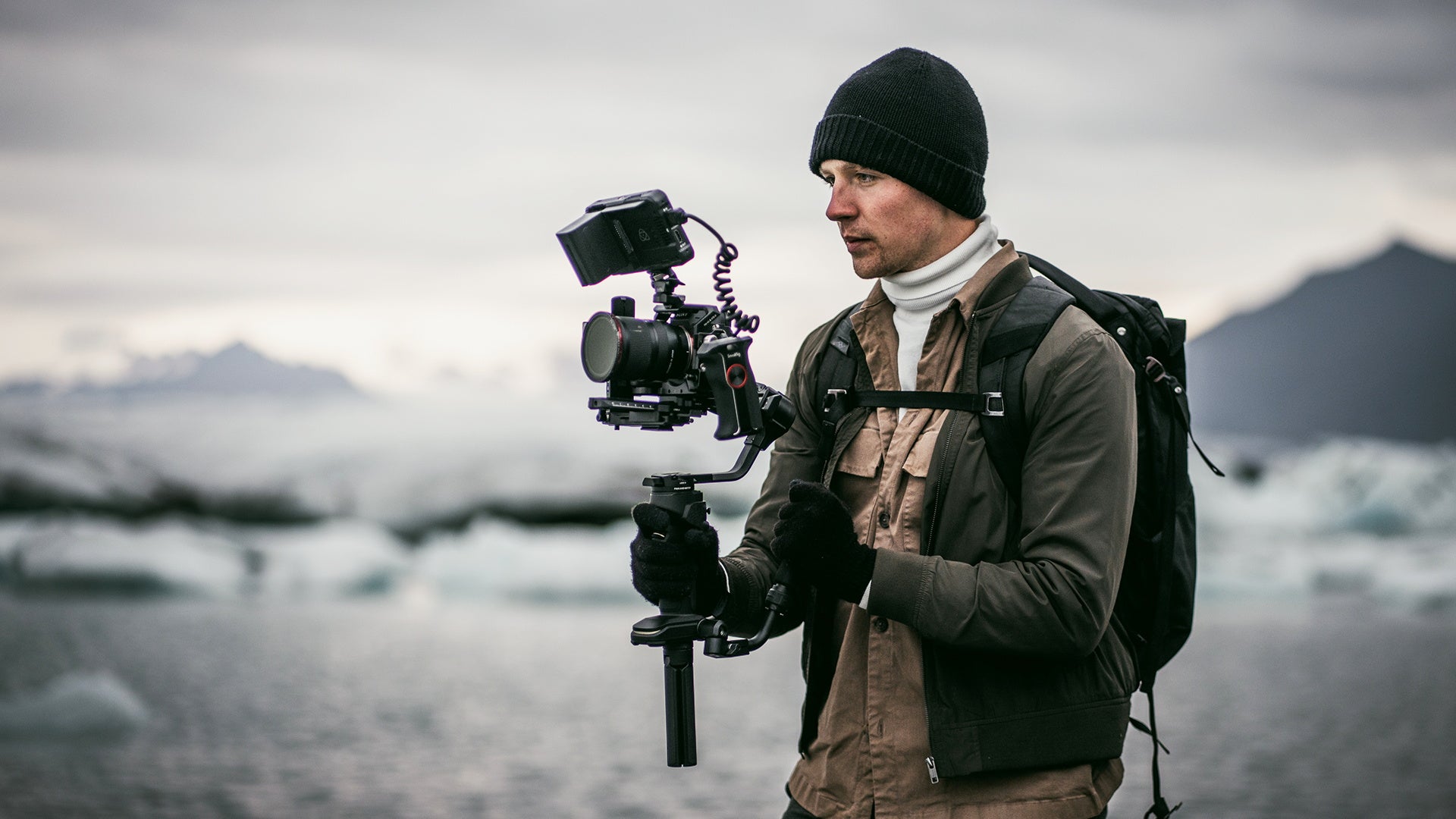
A gimbal is a handheld device that stabilizes your camera using motors and sensors. This reduces camera shake, especially when you move or shoot handheld. For stills, the main advantage is keeping the camera steady during long exposures or low-light conditions.
Gimbals can help in these situations:
- Shooting in low light without a tripod
- Capturing panoramic images while moving
- Taking photos from moving vehicles
However, for fast shutter speeds or tripod work, a gimbal offers little extra benefit.
Gimbals Vs. Tripods: Key Differences
Many photographers rely on tripods for stills. Here’s a quick comparison:
| Feature | Gimbal | Tripod |
|---|---|---|
| Stabilization | Active (motorized) | Passive (stationary) |
| Portability | High | Varies |
| Best for | Movement, quick shots | Long exposures, landscapes |
Insight: Gimbals shine when you need to move and shoot, but tripods are better for total stillness and precise framing.

Credit: www.zhiyun-tech.com
Advantages Of Using Gimbals For Stills
- Improved handheld sharpness – A gimbal can reduce blur from shaky hands, especially with slow shutter speeds.
- More creative angles – Gimbals make it easier to shoot from low or high positions without awkward setups.
- Lighter than some tripods – Many gimbals are compact, making them ideal for travel or hiking.
But gimbals have limits. They don’t fully replace tripods for long exposures or time-lapse shots.
When Gimbals Are Not Useful
- Fast shutter speeds: Most modern cameras freeze motion well without extra stabilization.
- Heavy lenses: Not all gimbals support large telephoto lenses.
- Studio work: For portraits or product shots, a tripod or fixed support is often more practical.
Here’s a quick look at when each tool is best:
| Scenario | Gimbal | Tripod |
|---|---|---|
| Walking street photography | ✔ | ✘ |
| Night cityscapes | ✔/✘ | ✔ |
| Studio portraits | ✘ | ✔ |

Credit: store.zhiyun-tech.com
Practical Tips For Still Photography With Gimbals
- Balance your camera on the gimbal for best performance.
- Use timer or remote shutter to avoid shake when pressing the button.
- Be aware of battery life; gimbals require charging, unlike tripods.
- Practice panning smoothly—gimbals help, but technique matters.
A common mistake: thinking a gimbal will solve all blur issues. In reality, technique, shutter speed, and lens stabilization play big roles too.
Frequently Asked Questions
Do Gimbals Make Photos Sharper?
Gimbals can help reduce blur from hand movement, especially at slow shutter speeds, but they don’t improve optical sharpness beyond what your lens and camera provide.
Are Gimbals Better Than Tripods For Stills?
Not always. Tripods are more stable for very long exposures or studio work. Gimbals are best for handheld movement and creative angles.
Can I Use A Phone Gimbal For Dslr Still Photography?
Most phone gimbals are not strong enough for DSLRs. Use a gimbal rated for your camera’s weight.
Do Gimbals Work With Heavy Lenses?
Some high-end gimbals support heavier setups, but check the weight limits before buying.
Where Can I Learn More About Camera Stabilization?
For a deeper look, see Wikipedia’s Image Stabilization page.
A gimbal can help with still photography in certain situations, but it’s not a one-size-fits-all solution. Choose based on your style, gear, and shooting needs.
Credit: www.infinibandta.org