Capturing stunning photos often depends on more than just your camera. One small accessory can change everything—the camera lens filter. Filters help photographers handle light, enhance colors, and protect lenses. But what do these filters actually do? Let’s explore the key functions, types, and practical advantages, so you can decide if filters are right for your photography.
Table of Contents
Main Functions Of Camera Lens Filters
A lens filter is a piece of glass or plastic placed in front of your camera lens. It serves several purposes:
- Control light: Filters can reduce glare, reflections, or the amount of light entering the lens.
- Enhance colors: Some filters boost color contrast or saturate tones.
- Protect your lens: Clear filters shield the lens from dust, scratches, or moisture.
Many beginners miss that filters can also correct exposure problems and help you shoot safely in tough weather. Using a filter is often easier than editing photos later.
Types Of Camera Lens Filters
Different filters work for different situations. Here are the most common types:
| Filter Type | Main Use | Example Benefit |
|---|---|---|
| UV Filter | Protection | Reduces haze; shields lens |
| Polarizing Filter | Contrast | Deepens blue sky; cuts reflections |
| ND Filter | Exposure | Allows long exposures in daylight |
| Color Filter | Enhance tones | Boosts reds, greens, etc. |
Uv Filter
This filter was originally made to block ultraviolet light, preventing haze in film photos. Today, it mostly protects your lens from damage.
Polarizing Filter
A polarizer removes reflections from water, glass, or leaves. It also makes skies and colors look richer, especially in landscape photography.
Nd Filter (neutral Density)
An ND filter reduces the light entering the lens. It lets you use slow shutter speeds in bright sunlight. For example, you can blur waterfalls even at noon.
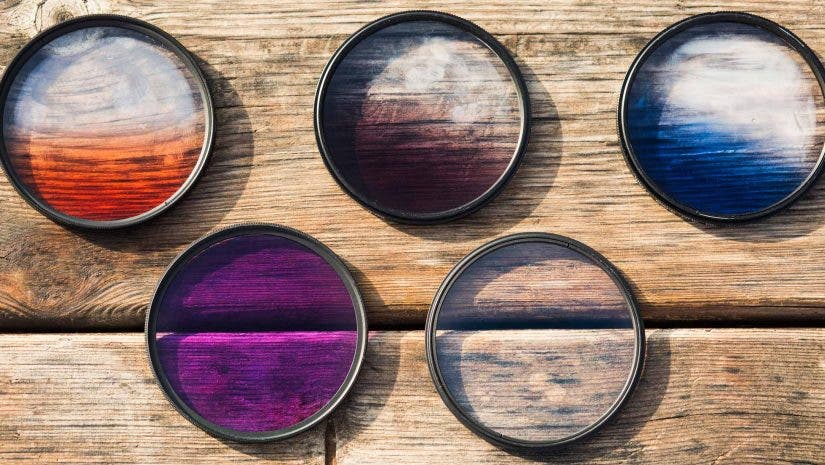
Color Filters
These filters add strength to certain colors. They are popular in black-and-white photography, but also help in creating dramatic effects in digital photos.
Credit: www.adorama.com
Real-world Impact Of Filters
Lens filters have measurable benefits. For instance, a polarizing filter can increase color saturation by up to 30% compared to an unfiltered image. ND filters allow exposures up to 10 stops longer, making creative shots possible even in strong daylight.
Here’s a quick comparison of filtered vs. unfiltered images:
| Filter Used | Image Quality | Color Saturation |
|---|---|---|
| None | Standard | Low |
| Polarizer | Enhanced | High |
| ND | Creative Blur | Moderate |
Frequently Asked Questions
What Is The Main Purpose Of A Lens Filter?
The main purpose is to control light, enhance color, and protect your lens from damage.
Can Filters Affect Image Quality?
Yes. Good filters can improve contrast and color, but cheap filters may reduce sharpness.
Do All Photographers Need Filters?
Not always. Filters are more useful for landscape, outdoor, and creative photography.
How Do I Choose The Right Filter?
Check your photography style, lens size, and the filter’s material. Avoid buying poor-quality filters.
Can Filters Be Stacked Together?
Yes, but stacking too many can cause vignetting (dark corners) and lower image quality.
Understanding camera lens filters helps you take control of your photos—whether you want sharper images, stronger colors, or to protect your equipment. For more in-depth information, visit Wikipedia. Filters are simple, but their impact is powerful. Even one filter can turn an average photo into something special.

Credit: www.infinibandta.org