A cam strap may sound technical, but you have likely seen or used one in daily life. These handy tools are everywhere, from securing luggage on your car roof to holding gear together during travel. Understanding what a cam strap looks like—and how it works—can make your packing and outdoor adventures much easier and safer.
Table of Contents
Key Features Of A Cam Strap
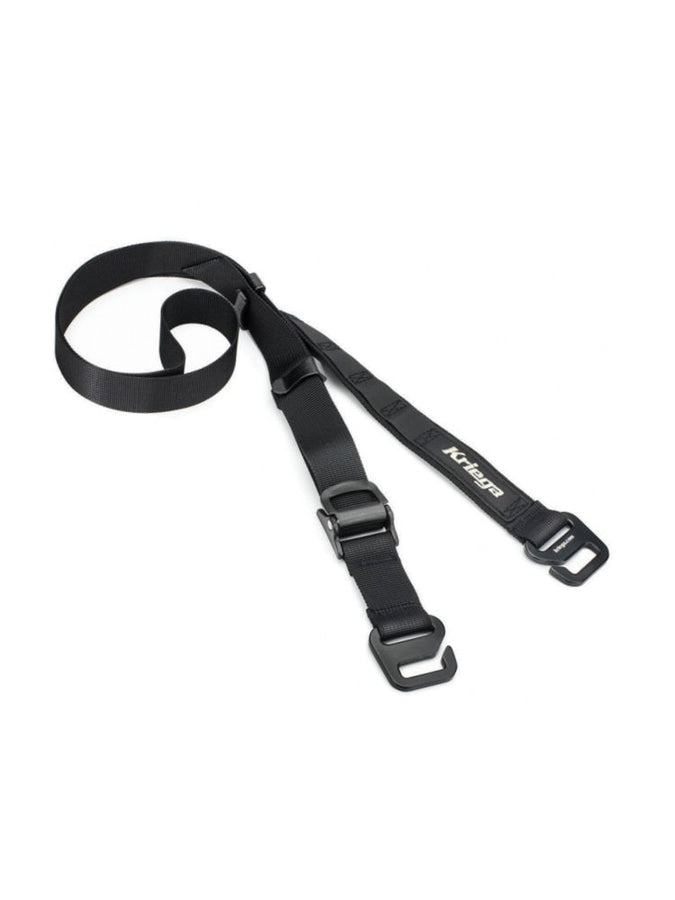
A cam strap is a type of tie-down strap with a unique locking mechanism. It consists of two main parts:
- Strong webbing strap: Usually made from polyester or nylon, the strap is flat, flexible, and about 1 inch (2.5 cm) wide. Lengths range from 1 foot to over 20 feet, depending on the use.
- Cam buckle: This is a small, rectangular metal or heavy-duty plastic device attached to one end. The buckle has a spring-loaded lever, often called the “cam,” which presses down to grip the strap and hold it tight.
A cam strap does not use a ratcheting system. Instead, you thread the loose end of the strap through the buckle, pull it to the desired tightness, and the cam holds it in place. To release, simply press the cam lever and pull the strap free.
Visual Differences: Cam Strap Vs. Ratchet Strap
People often confuse cam straps with ratchet straps. Here’s a quick comparison to help you identify each:
| Feature | Cam Strap | Ratchet Strap |
|---|---|---|
| Buckle Type | Small cam buckle with lever | Large ratcheting mechanism |
| Operation | Pull to tighten, press lever to release | Pump handle to tighten, release lever to loosen |
| Typical Width | 1 inch | 1-2 inches |
Cam straps are lighter and quicker to use, while ratchet straps are bulkier and provide more tension.
Credit: uniongaragenyc.com
Where You’ll See Cam Straps
Cam straps are used in many situations:
- Securing bikes or kayaks to car roof racks
- Bundling camping gear together
- Holding boxes in place during moving
- Attaching luggage to travel carts
You’ll recognize a cam strap by the slim, flexible webbing and the compact buckle, which is usually silver or black. Most cam buckles are about 2 inches long and fit comfortably in your palm.
For a quick look, here’s a simple summary:
| Part | Description |
|---|---|
| Webbing | Flat, woven, durable, various colors |
| Buckle | Rectangular, spring-loaded, metal or plastic |
| End Tip | Often heat-sealed to prevent fraying |
Two Insights Most People Miss
First, cam straps are not for heavy-duty loads. They’re perfect for items under 500 pounds, but for heavy cargo, use a ratchet strap instead. Second, if the webbing gets twisted or dirty, it may not grip well in the buckle. Always lay the strap flat and keep it clean for best performance.
Credit: perksandmini.com
Final Thoughts
A cam strap is simple but essential. Its flat webbing and easy-to-use buckle make it ideal for quick, secure tie-downs. Next time you see a slim strap with a small buckle at the end, you’ll know exactly what it is—and how to use it safely.
Frequently Asked Questions
What Is A Cam Strap Made Of?
Most cam straps use polyester or nylon webbing and a metal or tough plastic cam buckle.
How Much Weight Can A Cam Strap Hold?
Most standard cam straps are safe for up to 500 pounds. Check the packaging for the specific limit.
Can Cam Straps Be Used Outdoors?
Yes, they’re designed to withstand sun and moisture, but prolonged exposure can weaken the webbing over time.
How Do You Release A Cam Strap?
Simply press the lever on the cam buckle and pull the strap free.
Where Can I Buy Quality Cam Straps?
You can find them at outdoor stores or online, such as REI.

Credit: bikepacking.com