A camera gimbal is a tool that helps photographers and videographers capture smooth, steady shots, even when moving. If you’ve watched action videos or cinematic scenes where the camera glides effortlessly, a gimbal is often behind that magic. But how does this device keep your camera so stable?
Let’s break down the technology and mechanics that make a camera gimbal work.
Table of Contents
The Core Mechanics Of A Camera Gimbal
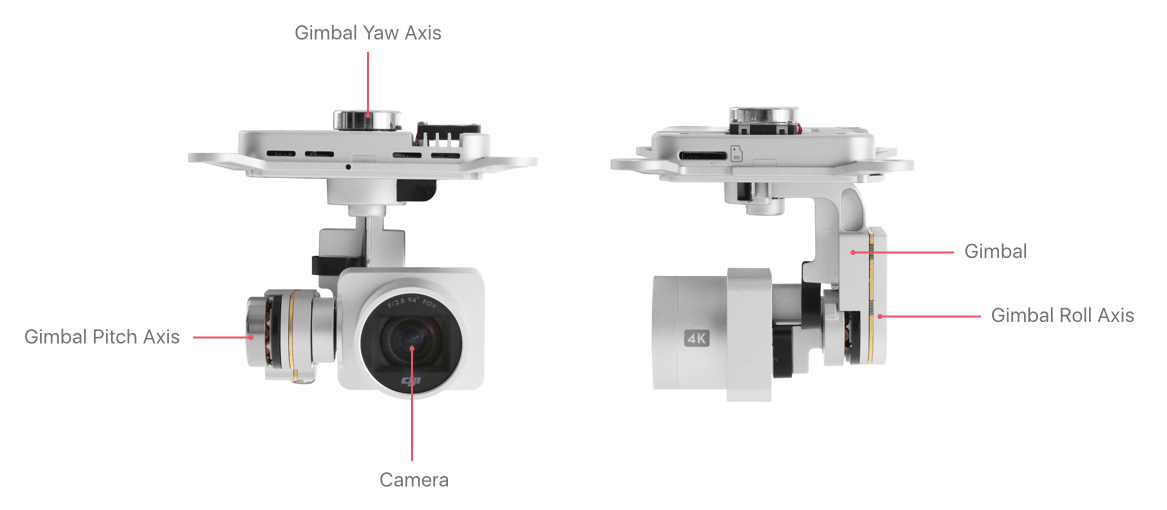
At its heart, a gimbal uses a combination of motors and sensors to keep a camera level. The most common type is a 3-axis gimbal. This means it can balance movement in three directions: tilt (up and down), pan (left and right), and roll (side to side).
| Axis | Movement Controlled | Common Use |
|---|---|---|
| Tilt | Up/Down | Following a subject moving vertically |
| Pan | Left/Right | Sweeping landscape shots |
| Roll | Side to Side | Keeping horizon level while moving |
Each axis has its own small motor. When you walk, run, or even breathe, these motors quickly react and adjust to keep the camera balanced.
Sensors And Real-time Adjustments
Gimbals use gyroscopes and accelerometers to detect motion. These sensors measure changes in position and angle. The gimbal’s processor receives data from the sensors many times per second, sometimes up to 1,000 times.
| Sensor Type | Main Function | Benefit |
|---|---|---|
| Gyroscope | Detects rotation | Prevents shaky footage |
| Accelerometer | Measures acceleration | Responds to sudden movements |
These sensors allow the gimbal to counteract hand shakes or sudden moves almost instantly. This is why a gimbal can produce smooth footage even if the user is running or climbing stairs.

Credit: www.evogimbals.com
Batteries And Controls
Most camera gimbals run on rechargeable batteries. Depending on the model, a single charge can last between 6 and 12 hours. Users can control the gimbal’s movement using joysticks or smartphone apps. Some advanced gimbals even have face tracking and object tracking features.
Not-so-obvious Insights
- Weight Balance Matters: Before switching on, you must balance the camera on the gimbal. If not, the motors will work harder, draining the battery faster and possibly overheating.
- Payload Limits: Each gimbal has a maximum weight it can support. Adding heavy lenses or microphones can affect performance.
Credit: developer.dji.com
Common Uses For Camera Gimbals
- Filmmaking: For cinematic scenes without shaky camera movement.
- Vlogging: To walk and talk without distracting shakes.
- Sports: Capturing fast action while moving with the subject.
For a deeper look at gimbal technology, check out Wikipedia’s gimbal entry.
Frequently Asked Questions
How Does A Camera Gimbal Differ From Image Stabilization In Lenses?
Lens stabilization corrects for small movements inside the lens. A gimbal physically moves the entire camera, handling much larger shifts.
Can I Use A Smartphone With A Camera Gimbal?
Yes, many gimbals are designed for smartphones. Just make sure your phone fits the gimbal’s size and weight limits.
How Long Does A Gimbal Battery Last?
Battery life varies. Most last between 6 and 12 hours, depending on usage and camera weight.
Is A Gimbal Necessary For All Video Shooting?
No, but it’s essential for smooth footage during movement. For static shots, a tripod works well.
What Is The Main Advantage Of A 3-axis Gimbal?
A 3-axis gimbal stabilizes in all directions, allowing for the smoothest, most professional-looking videos.

Credit: store.zhiyun-tech.com