Camera lens filters are simple tools, but they can make a big difference for photographers. Whether you use a phone or a DSLR, filters help control light and protect your lens. Many beginners ignore filters, but understanding them can improve your photos in ways you might not expect.
Table of Contents
What Do Camera Lens Filters Do?
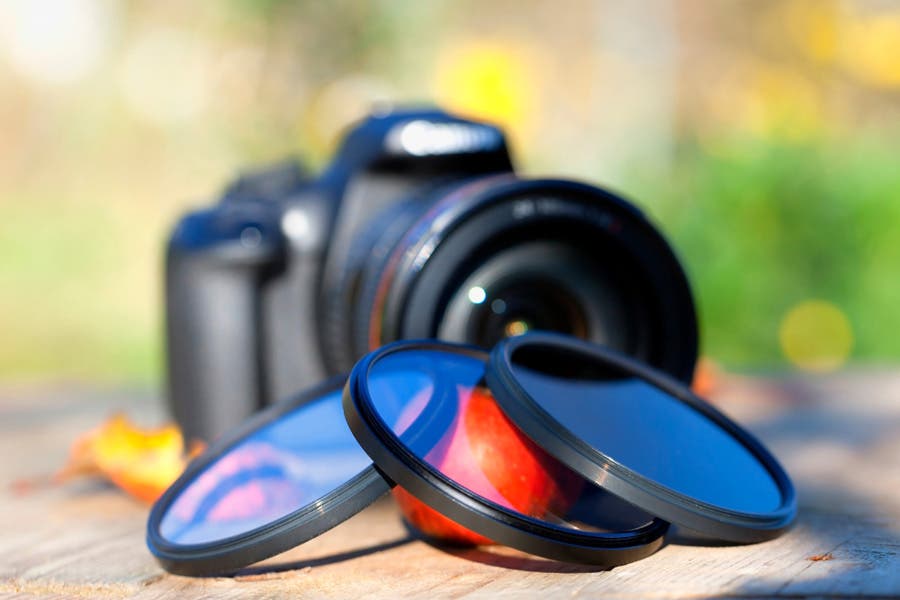
A camera lens filter is a piece of glass or plastic placed in front of the lens. Filters change how light enters the camera. They can affect color, contrast, sharpness, and reduce reflections. Some filters are used for creative effects, while others have practical uses.
Types Of Camera Lens Filters
There are several common filters:
- UV filter: Protects the lens and blocks ultraviolet rays. Most users keep this on their lens for safety.
- Polarizing filter: Reduces glare from water, glass, and leaves. It also increases color saturation.
- ND (Neutral Density) filter: Lowers the amount of light entering the lens. Useful for long exposure shots, like waterfalls or city lights.
- Graduated ND filter: Only part of the filter is dark. Great for balancing bright skies with darker landscapes.
- Color filters: Used in black-and-white photography to change contrast or add mood.
Why Use Camera Lens Filters?
Filters are not just for professionals. They solve real problems:
- Lens protection: A UV filter can save your lens from scratches and dust.
- Creative effects: ND filters let you blur motion, even in daylight.
- Improved color: Polarizing filters make skies deeper blue and remove harsh reflections.
Many beginners don’t realize that filters can also help reduce haze in distant landscapes and avoid digital editing later.
| Filter Type | Main Use | Special Benefit |
|---|---|---|
| UV | Protection | Reduces haze |
| Polarizer | Color boost | Removes reflections |
| ND | Long exposure | Blur motion |

Credit: www.exposureguide.com
Choosing The Right Filter
When picking a filter, pay attention to filter size. It must match your lens diameter. Quality matters too; cheap filters can reduce sharpness.
Some filters are made of glass, others of plastic. Glass is usually better. You can buy filters from brands like Hoya, B+W, or Tiffen.
| Brand | Material | Price Range |
|---|---|---|
| Hoya | Glass | $20–$100 |
| B+W | Glass | $40–$150 |
| Tiffen | Plastic/Glass | $15–$90 |
Practical Tips For Using Filters
- Clean filters often to avoid spots in photos.
- Stack filters with caution; too many can cause vignetting (dark corners).
- Store filters in a padded case when not in use.
Many beginners miss that not all filters work well together. For example, stacking a polarizer and ND filter can create unwanted color shifts.
| Filter Stacking | Possible Issue |
|---|---|
| UV + Polarizer | Minor sharpness loss |
| Polarizer + ND | Color shift |
| Multiple ND | Heavy vignetting |
Camera lens filters may seem simple, but they offer control, protection, and creativity. Learning how and when to use them helps both beginners and experts take better photos. For more technical details, you can check Wikipedia.
Credit: www.adorama.com
Frequently Asked Questions
What Is The Main Purpose Of A Camera Lens Filter?
The main purpose is to control light entering the lens, protect the lens, and improve image quality.
Can I Use Filters On Smartphone Cameras?
Yes, clip-on filters are available for phones and can provide similar effects.
Is A Uv Filter Necessary For Modern Cameras?
UV filters are not essential, but they offer lens protection and reduce haze.
How Do I Clean A Filter Safely?
Use a microfiber cloth and avoid harsh chemicals. Clean gently to prevent scratches.
Do Filters Affect Autofocus Or Image Sharpness?
High-quality filters usually don’t, but cheap filters can reduce sharpness and cause focusing problems.