Photographers often debate about using a UV filter on their camera lens. Some say it’s essential for lens protection, while others believe it can reduce image quality. Understanding when to use a UV filter is important, especially if you want to protect your gear without sacrificing your photos.
Table of Contents
What Is A Uv Filter?
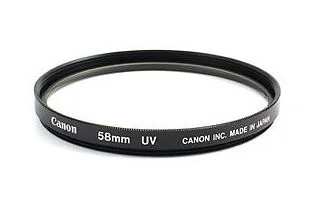
A UV filter is a thin, clear glass filter that attaches to the front of your lens. Its original purpose was to block ultraviolet light, which could cause hazy images on film cameras. Today, digital sensors are less sensitive to UV light, so the main reason for using UV filters is lens protection.
When Should You Use A Uv Filter?
There are specific situations where a UV filter is useful. Here are some of the most common:
- Shooting Outdoors: If you photograph in harsh environments, like beaches, deserts, or mountains, a UV filter can shield your lens from dust, sand, and saltwater spray.
- Travel Photography: When moving from one place to another, your camera faces more risks. UV filters offer a simple barrier against scratches and impact.
- Rainy or Snowy Weather: A UV filter protects the front element from water droplets and makes cleaning easier.
- General Lens Protection: If you want to avoid costly repairs, keeping a UV filter on your lens can save you from accidental scratches.
However, there are times when it’s better to remove the filter. For example, shooting in low light or at night may cause unwanted reflections or ghosting.
Credit: www.alanranger.com
Uv Filter Vs. No Filter: Image Quality
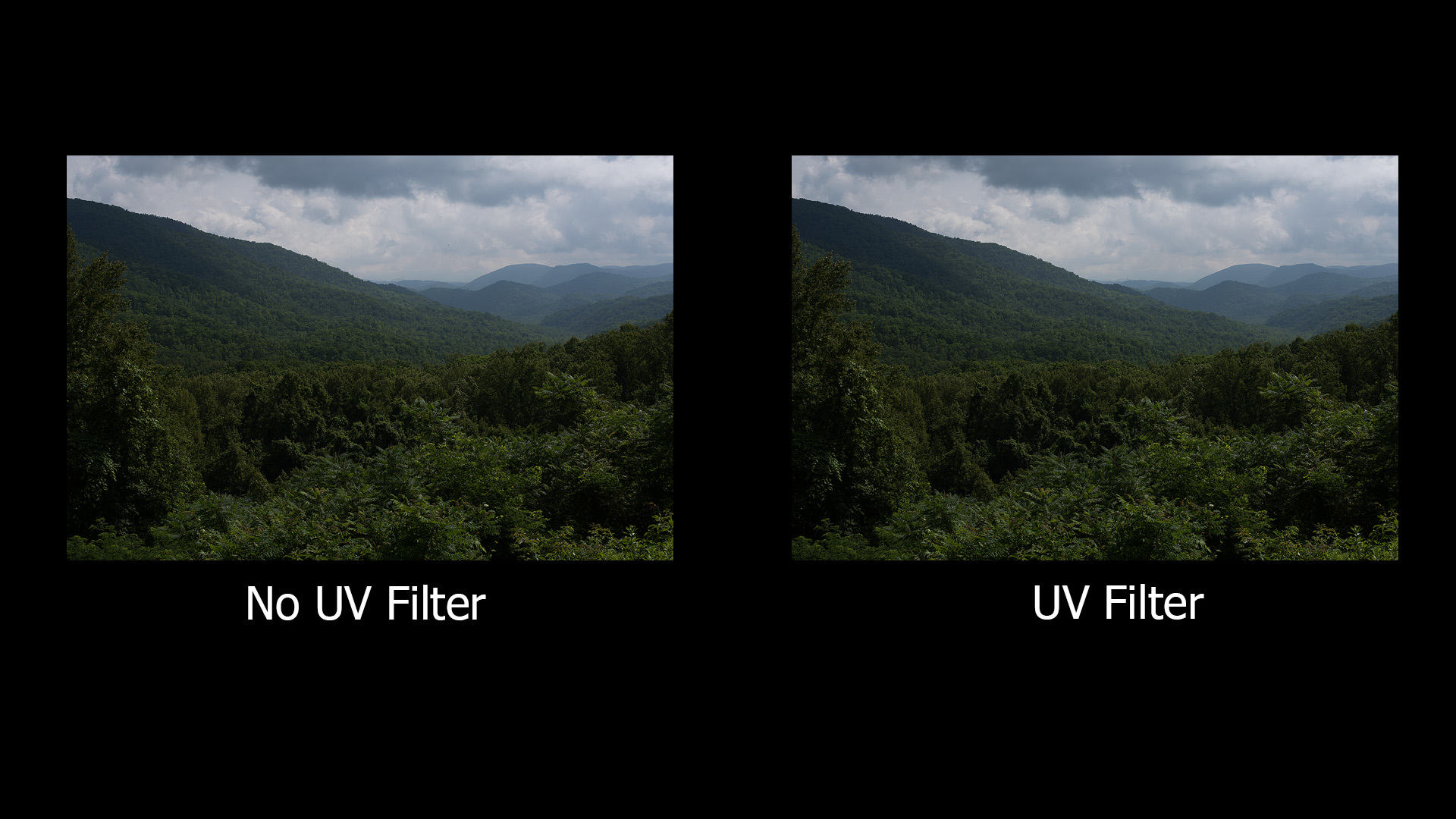
Some photographers worry that a UV filter might reduce image sharpness. Let’s compare both setups:
| Aspect | With UV Filter | Without UV Filter |
|---|---|---|
| Sharpness | Usually no effect, but low-quality filters may reduce it | Maximum possible sharpness |
| Lens Protection | Excellent | None |
| Lens Flare | May increase slightly | Lower risk |
Tip: Invest in a high-quality, multi-coated UV filter to reduce flare and maintain sharpness.
Uv Filter Durability And Cost
UV filters are less expensive than a lens replacement. Here’s a quick comparison:
| Item | Average Cost | Purpose |
|---|---|---|
| Standard UV Filter | $10–$80 | Basic protection |
| Professional UV Filter | $50–$200 | Optical clarity & protection |
| Lens Repair/Replacement | $100–$1000+ | Fixing scratches/damage |
Spending a bit more on a quality filter is wise, especially for expensive lenses.

Credit: www.youtube.com
Are There Downsides?
While UV filters are helpful, they can introduce flare or ghosting in strong light. To avoid this, remove the filter when shooting into bright lights or at night. Also, stacking multiple filters can cause vignetting on wide-angle lenses.
Frequently Asked Questions
Does A Uv Filter Improve Image Quality?
No, a UV filter does not improve quality on digital cameras. Its main role is protection.
Can I Leave A Uv Filter On All The Time?
Yes, but remove it in low light or when flare is a problem.
How Do I Choose A Good Uv Filter?
Look for multi-coated glass from trusted brands like B+W, Hoya, or Tiffen.
Will A Uv Filter Protect My Lens From Drops?
It can protect against scratches and minor bumps, but not heavy impacts.
Do Professionals Use Uv Filters?
Some do for protection, but many prefer to use a lens hood or nothing for the best image quality. For more details, check Wikipedia.
Choosing when to use a camera UV filter depends on your shooting style and environment. In rough conditions, it’s a smart choice for protecting your gear. For the highest image quality, consider removing it in controlled settings. With the right approach, you get both safety and sharp photos.
Credit: backcountrygallery.com