Carrying a camera safely and comfortably is important for anyone who loves photography. This is where camera straps come in. They may look simple, but they play a big role in protecting your gear and making shooting easier. If you’ve ever wondered how camera straps work and why choosing the right one matters, you’re in the right place.
Table of Contents
How Camera Straps Keep Your Camera Safe
The main job of a camera strap is to securely hold your camera and prevent drops. Most straps are made from strong materials like nylon, leather, or polyester, which resist tearing and wear. The strap connects to the camera using small metal rings, lugs, or quick-release clips. This connection is designed to handle the weight of different cameras, from light mirrorless models to heavy DSLRs.
Here’s a quick comparison of common strap materials:
| Material | Durability | Comfort |
|---|---|---|
| Nylon | High | Good |
| Leather | Very High | Excellent |
| Polyester | Medium | Average |
Many straps also include padded sections or non-slip surfaces to improve comfort and reduce strain on your neck or shoulder, especially during long shoots.
Types Of Camera Straps And Their Uses
Camera straps come in several styles, each offering different benefits:
- Neck straps: These are the most common. You wear them around your neck, keeping the camera at chest level for quick access.
- Shoulder straps (sling straps): These go over one shoulder, letting the camera hang at your side. They’re great for heavier cameras, as they distribute weight better.
- Wrist straps: These keep the camera close to your hand. They’re popular with small cameras or for street photography.
Let’s look at how each strap type suits different photographers:
| Strap Type | Best For | Drawback |
|---|---|---|
| Neck | General use | Neck strain |
| Shoulder | Heavy cameras | Can slip off |
| Wrist | Small cameras | Less secure for big gear |
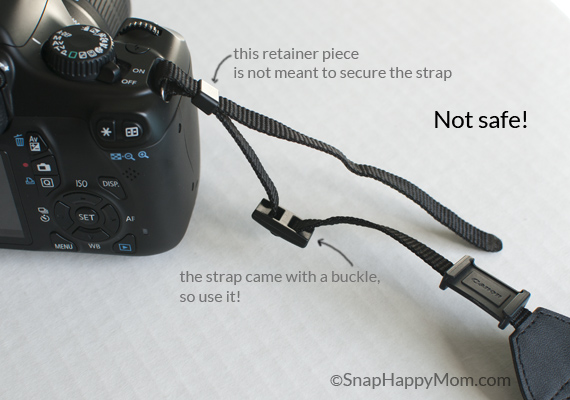
Credit: snaphappymom.com
Adjusting And Using Camera Straps Properly
A camera strap isn’t just about hanging your camera. Proper adjustment is key. Make sure the strap length fits your body and shooting style. Too loose, and your camera may swing dangerously. Too tight, and it’s uncomfortable. Many modern straps offer quick-adjust sliders so you can change the length on the go.
Here are some tips:
- Always check the connection points before use.
- Use both lugs for even weight distribution.
- Try different strap styles to find your best fit.
A detail most beginners miss: the direction you attach the strap can affect how the camera sits against your body and how quickly you can raise it to shoot.
Another insight: some straps have built-in safety cords or anti-theft features, which can be important for travel photographers.
Frequently Asked Questions
How Do I Attach A Camera Strap To My Camera?
Thread the strap through the camera’s lugs or rings, then back through the buckle to secure it. Make sure it’s tight to avoid slipping.
Can Camera Straps Fit All Camera Brands?
Most straps are universal, but some brands have unique attachment designs. Always check your camera model’s compatibility.
Are Padded Straps Better?
Padded straps add comfort, especially for heavy cameras or long shooting sessions.
How Do Quick-release Clips Work?
Quick-release clips let you easily remove the strap from your camera without unthreading it. This is helpful for switching between strap types or for tripod use.
Where Can I Find More About Camera Gear Safety?
For more tips, visit DPReview, a trusted photography resource.
A good camera strap gives you peace of mind and lets you focus on capturing the perfect shot. Choose wisely, adjust properly, and your camera will always be ready when you are.

Credit: journeycamera.com