Choosing the right support for your camera can feel confusing. Many photographers ask: Should I get a monopod or tripod? Both tools help you take sharp, steady photos, but each has its strengths. Picking the best one depends on your style, what you shoot, and how much gear you want to carry.
As someone who’s tried both in different conditions, I know that small details often make a big difference. Below, you’ll find a practical breakdown to help you decide, whether you’re shooting sports, landscapes, portraits, or simply want to improve your photos.
Table of Contents
What Is A Monopod?
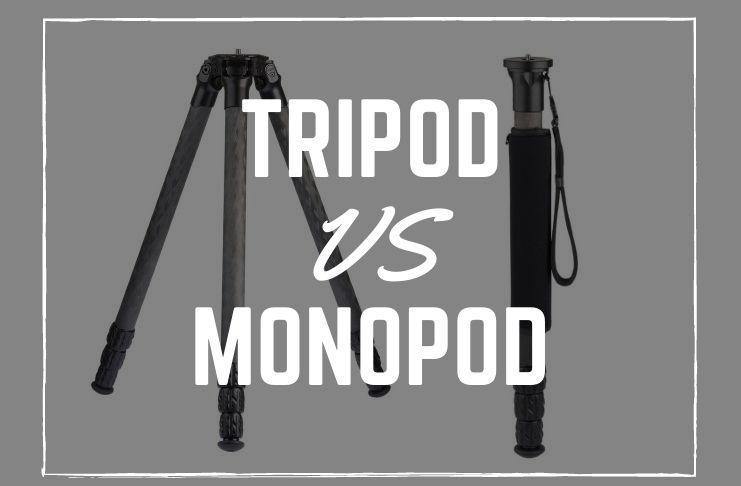
A monopod is a single-legged camera support. You attach your camera to the top and rest the bottom on the ground or your foot. Monopods are lightweight and easy to carry. They don’t stand on their own, so you must hold them while shooting.
Photographers often use monopods for:
- Sports and action shots
- Wildlife photography
- Events where you need to move quickly
Example: If you’re at a soccer match, a monopod helps you follow the action and keeps your long lens steady.
What Is A Tripod?
A tripod has three legs and stands by itself. You mount your camera on top and can step away without holding it. Tripods are usually heavier and larger than monopods, but they offer more stability.
Tripods are ideal for:
- Landscape and night photography
- Long exposure shots
- Studio work and self-portraits
Example: When photographing a city skyline at night, a tripod keeps your camera still for sharp, blur-free images.

Credit: www.youtube.com
Side-by-side Comparison
To help you see the main differences, here’s a quick comparison:
| Feature | Monopod | Tripod |
|---|---|---|
| Number of Legs | 1 | 3 |
| Weight | Lighter | Heavier |
| Setup Speed | Very Fast | Slower |
| Stability | Medium | High |
| Hands-Free Use | No | Yes |
| Best For | Action, Travel | Landscapes, Low Light |
When A Monopod Makes More Sense
Carrying a monopod is smart if you need to move a lot. For example, at crowded events or when following fast-moving subjects, a monopod helps you stay flexible. It’s also easier on your arms if you use a heavy lens.
Pro Tip: Some photographers use monopods for video work. The single leg allows smoother pans compared to handholding.
Non-obvious insight: Monopods are accepted in many places (like sports stadiums) where tripods are not allowed due to space limits.
Credit: promediagear.com
When A Tripod Is A Better Choice
If your goal is maximum sharpness, especially in low light, a tripod is the safer bet. This is essential for night photography, astrophotography, or long exposures where even tiny vibrations can blur your image.
Tripods also let you work hands-free. You can frame your shot, step back, and even be in the photo yourself.
Non-obvious insight: Tripods make focus stacking and panoramic shots much easier. If you plan to blend images or stitch panoramas, a stable tripod is almost required.
Practical Scenarios: Which To Choose?
It helps to look at real-world situations. Here’s how I think about it:
| Shooting Situation | Best Support | Why |
|---|---|---|
| Sports (outdoors) | Monopod | Mobility, quick setup |
| Wildlife (on the move) | Monopod | Follow animals easily |
| Landscape (sunrise/sunset) | Tripod | Long exposures, stability |
| Street photography | Monopod | Less attention, easy to carry |
| Studio portraits | Tripod | Consistent framing |

Credit: sheclicks.net
Key Factors To Consider
Before you buy, think about these points:
- Portability: If you travel a lot, a monopod fits in most bags and is less tiring to carry.
- Stability needs: For exposures over 1/30s, a tripod is more reliable.
- Type of photography: Action shooters love monopods; landscape photographers prefer tripods.
- Local rules: Some locations ban tripods but allow monopods.
- Price: Quality tripods cost more, but cheap tripods may wobble. Monopods are usually less expensive.
Common Buyer Mistakes
Many beginners buy a tripod because they think it’s always better. In reality, an unstable, flimsy tripod is worse than no tripod at all. I’ve wasted money on a budget tripod that shook in the wind, my shots were blurry anyway.
Another mistake: ignoring the weight of your camera. If you use a heavy DSLR and long lens, check if the support can handle it.
Warning: Never use a monopod to balance your camera in places where you can’t hold it at all. It can tip over easily and damage your gear.
My Experience: Which One Do I Use More?
When I travel or shoot events, I reach for my monopod. It’s quick, light, and I can move all day without feeling tired. But for night photography or when every detail matters, I trust my sturdy tripod.
The best photographers often own both. But if I had to pick only one for most situations, I’d choose a tripod for its versatility, unless I knew I’d be shooting sports or moving constantly.
Frequently Asked Questions
Is It Worth Owning Both A Monopod And A Tripod?
Yes, many serious photographers use both. Each tool serves different needs. If your budget allows, having both gives you flexibility for any situation.
Can A Monopod Replace A Tripod For Video Shooting?
A monopod can help stabilize video, but it can’t match a tripod for locked-down shots or time-lapse. For smooth pans and tilts, tripods with fluid heads are better.
Are There Hybrid Options Between Monopods And Tripods?
Yes, some travel tripods can convert to monopods. These are useful if you want to carry less gear, but they may not be as stable or comfortable as dedicated models.
How Do I Know If A Tripod Or Monopod Will Support My Camera?
Check the load capacity listed by the manufacturer. Always choose a support rated for at least 25% more than your heaviest camera and lens combination.
Where Can I Learn More About Photography Supports?
For in-depth reviews and buying advice, you can visit the DPReview accessories section.
Making the choice between a monopod and tripod isn’t just about the gear, it’s about how you like to shoot. Take a look at