A monopod may look simple, but it can make a big difference for photographers and videographers. If you’ve ever struggled to hold a camera steady for long periods, you’ll know how your arms start to shake, and photos get blurry.
That’s where the monopod comes in. By understanding how a monopod works, you can improve your images, shoot in low light, and move with less effort. Let’s explore what makes this one-legged support tool so useful, how it’s built, and when it’s the right choice.
Table of Contents
What Is A Monopod?
A monopod is a single-legged support used mainly for cameras, binoculars, or spotting scopes. Unlike a tripod with three legs, a monopod gives you stability and flexibility at the same time. Most monopods are lightweight and easy to carry, which is why many sports or wildlife photographers use them in the field.
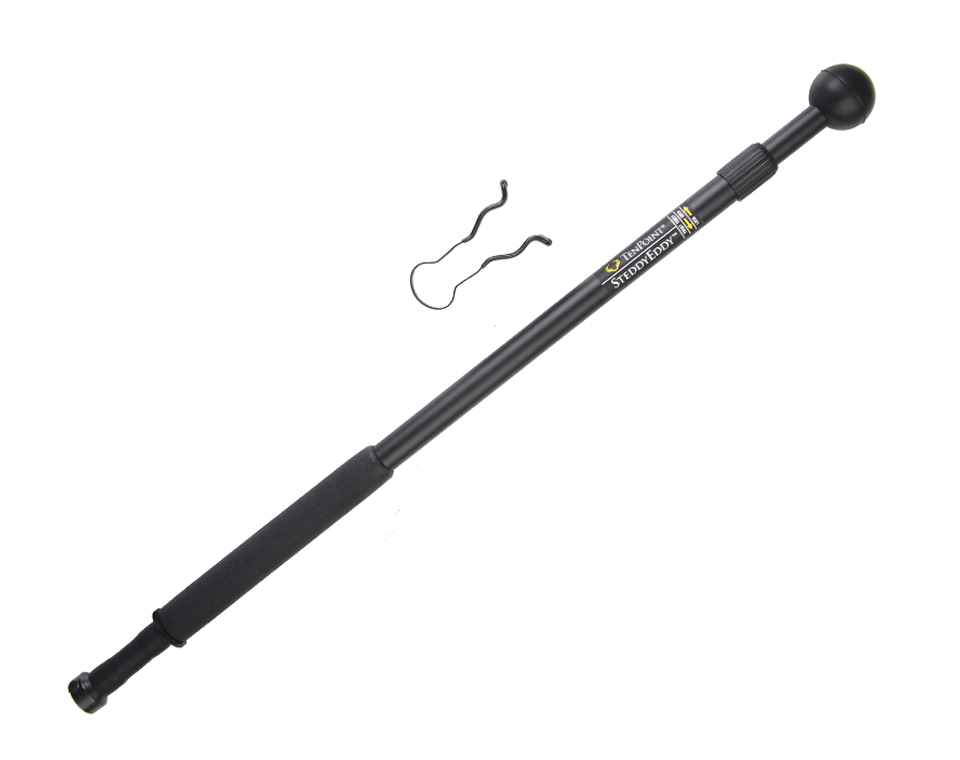
Monopods are usually made from aluminum or carbon fiber. They can extend and collapse, so you can adjust the height depending on your needs. Some have a simple stick design, while others include features like wrist straps, rubber feet, or even small folding bases for extra stability.
How Does A Monopod Work?
The main purpose of a monopod is to reduce camera shake. When you attach your camera to the top of the monopod, the weight is transferred from your arms to the ground. This makes it easier to hold heavy cameras or lenses for longer periods.
Here’s what happens step by step:
- Extend the monopod to your desired height.
- Attach your camera or scope using the mounting screw.
- Place the bottom end of the monopod firmly on the ground.
- Hold the monopod with one hand and operate the camera with the other.
The monopod acts like a third arm. It doesn’t lock your camera in place like a tripod but gives enough support to steady your shot.
Example: When shooting sports, you need to follow fast action. A monopod lets you move quickly while still supporting a long telephoto lens.

Credit: www.youtube.com
Key Features And Design Elements
Monopods come with different features to fit various shooting styles. Here are some important parts and options:
- Sections: Most monopods have 3, 5 telescoping sections. More sections mean a more compact design, but sometimes less stability.
- Locks: Monopods use twist or flip locks to secure each section.
- Feet: The base can be a simple rubber tip, a metal spike, or a small tripod base for extra balance.
- Mounting Head: Some monopods have a basic screw mount, while others support ball or tilt heads for more camera movement.
How Monopods Compare To Tripods
Below is a comparison of key features between monopods and tripods:
| Feature | Monopod | Tripod |
|---|---|---|
| Stability | Moderate | High |
| Weight | Lighter | Heavier |
| Setup Speed | Fast | Slower |
| Portability | Very portable | Less portable |
| Mobility | Excellent | Limited |
When To Use A Monopod
Monopods shine in situations where you need both stability and speed. Here are common uses:
- Sports photography: You can follow the action and quickly reposition.
- Wildlife photography: Move quietly and set up fast in changing environments.
- Low-light shooting: Helps reduce blur when using slow shutter speeds.
- Video recording: Smooths out small shakes when shooting handheld.
Pro Tip: In my experience, a monopod is most useful when you can’t set up a tripod, like in crowded places or at events with limited space.

Credit: www.digitalcameraworld.com
How To Choose The Right Monopod
Choosing the best monopod depends on your needs, camera gear, and shooting style. Consider these factors:
1. Material
- Aluminum: Affordable and strong, but heavier.
- Carbon Fiber: Lighter, absorbs vibration, more expensive.
2. Maximum Load
Always check the weight capacity. A monopod must support your camera and heaviest lens.
3. Height Range
Pick a monopod that extends to at least your eye level. Collapsed size matters if you travel.
4. Section Locks
Twist locks are slim and quiet; flip locks are fast to operate with gloves.
5. Base Type
Some monopods have a simple foot; others offer a fold-out base. Choose based on stability needs.
Quick Comparison Of Monopod Materials
| Material | Weight | Durability | Price |
|---|---|---|---|
| Aluminum | Heavier | Very Good | Lower |
| Carbon Fiber | Lighter | Excellent | Higher |
Common Mistakes When Using A Monopod
Even experienced photographers sometimes make these errors:
- Not stabilizing the base: If the foot slips, you lose support. Always press the base firmly against the ground.
- Using with a wide lens: Monopods don’t prevent side-to-side tilt. For landscape or architecture shots, a tripod is better.
- Ignoring the weight limit: Exceeding the max load can damage the monopod and your gear.
- Improper hand placement: Hold the monopod close to the camera for best control.
Credit: www.tenpointcrossbows.com
Tips For Getting The Most From Your Monopod
- Angle the monopod slightly toward your body for extra stability.
- Use your body as a brace, lean in gently.
- Practice panning smoothly for video or action shots.
- On uneven ground, adjust the monopod height or use the spike foot if available.
Example: When filming outdoors, I found that extending the monopod just below my chin gave me the best balance between comfort and steadiness.
Frequently Asked Questions
How Is A Monopod Different From A Selfie Stick?
A monopod is designed to support heavy cameras and lenses, offering stability. A selfie stick is for smartphones and is not strong enough for professional gear.
Can I Use A Monopod For Video?
Yes, a monopod is great for run-and-gun video. It helps smooth handheld footage and lets you move quickly. Some even have fluid heads for better panning.
Is A Monopod Allowed In Stadiums Or Public Places?
Rules vary. Many stadiums allow monopods but ban tripods. Always check the venue’s policy before bringing any camera support gear.
Does A Monopod Work Well For Travel Photography?
Absolutely. Monopods are lightweight and easy to pack. They help capture sharp photos in busy or tight spaces where a tripod would be difficult to use.
Are There Any Health Benefits To Using A Monopod?
Using a monopod can reduce muscle strain by shifting camera weight off your arms and shoulders, especially during long shooting sessions.
A monopod may seem simple, but using one can boost your photography in ways you might not expect. With the right technique, it brings balance between freedom and support. If you want to learn more or see examples, check the