Photography gear can confuse even experienced shooters. Among the most common questions is when to use a monopod versus a tripod. Both tools offer stability, but they serve different needs. If you want sharper images or smoother videos, choosing the right support makes a big difference. Here’s how you can decide which one works best for your style, subjects, and situation.
Table of Contents
Understanding Monopods And Tripods
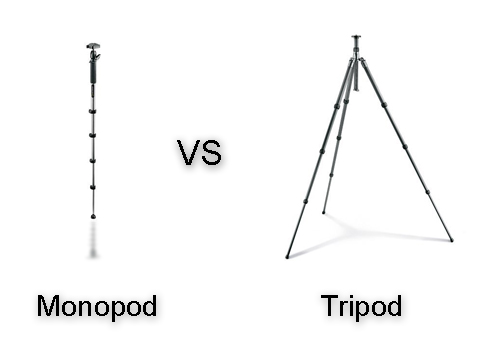
A monopod is a single-legged support for cameras. It’s lightweight and quick to move. You can easily carry it during events or hikes. Monopods reduce camera shake but do not stand alone.
A tripod has three legs and offers complete stability. You set it down and the camera stays still. Tripods are heavier and take more time to set up, but they allow hands-free shooting. Each tool has its place in photography.
When To Use A Monopod
Monopods are ideal when you need speed and mobility. Here are the main cases where a monopod shines:
1. Sports And Wildlife Photography
Subjects move quickly. Carrying a heavy tripod slows you down. A monopod supports a long lens but lets you follow action. In my experience, shooting a soccer match with a monopod meant I could change angles instantly without missing a goal.
2. Crowded Events
Space is limited at concerts, rallies, or festivals. A tripod can block people or trip someone. A monopod fits in tight spots and helps you keep moving.
3. Travel And Hiking
If you walk for miles, every pound counts. Monopods are light and easy to pack. They help steady your camera for quick shots when a tripod is too bulky.
4. Video Panning
Monopods allow smooth, controlled pans. When filming on the move, you can tilt and swivel quickly. This is useful for wedding videographers or journalists.
Key Advantages Of Monopods
- lightweight And Portable: Easy To Carry All Day.
- quick Setup: Ready In Seconds.
- better Than Handheld: Reduces Fatigue And Shake.
Limitations
- Cannot stand alone, needs your support.
- Not suitable for long exposures or night photography.
- Less stable in windy conditions.

Credit: www.youtube.com
When To Use A Tripod
Tripods are best for situations where maximum stability is required. Here’s when you should reach for one:
1. Landscape Photography
To capture sharp details at sunrise or sunset, you often use slow shutter speeds. A tripod keeps your camera perfectly still. This is also important for panoramic shots where every frame must align.
2. Long Exposure And Night Photography
Shooting stars, city lights, or waterfalls? You need to keep the camera steady for several seconds or even minutes. Only a tripod can do this reliably.
3. Studio And Product Shoots
In controlled settings, you want every shot to be consistent. A tripod allows precise framing and hands-free adjustments.
4. Self-portraits And Group Photos
If you want to be in the photo, set your camera on a tripod. Use a timer or remote shutter to avoid blur.
Key Advantages Of Tripods
- hands-free Operation: Great For Remote Shooting.
- Perfect for slow shutter speeds: Essential for night and landscape shots.
- Stable in most conditions: Handles wind and uneven ground (with proper setup).
Limitations
- Heavy and sometimes bulky.
- Slower to set up and move.
- Not practical in crowded or fast-changing environments.
Monopod Vs Tripod: Quick Comparison
The table below highlights the main differences:
| Feature | Monopod | Tripod |
|---|---|---|
| Stability | Moderate | High |
| Weight | Light | Heavy |
| Setup Speed | Fast | Slow |
| Best For | Action, mobility | Long exposure, precision |
Choosing The Right Tool For Your Needs
Before deciding, ask yourself these questions:
- Are my subjects moving or still?
- Do I need to carry gear all day?
- Will I shoot in low light or need long exposures?
- Is space limited where I’ll shoot?
Your answers point you toward the right support. For example, if you shoot weddings, a monopod helps you move quickly. If you specialize in astrophotography, a tripod is essential.
Pro Tip:
If you often shoot in mixed situations, consider carrying both. Some modern tripods let you remove one leg and use it as a monopod, offering flexibility without extra weight.
Real-world Examples
Example: At a motorsport event, photographers stand for hours capturing fast cars. A monopod is popular because it supports heavy lenses but allows quick movement.
Example: When shooting cityscapes at night, I always use a tripod. Even the best monopod cannot keep the camera still for a 10-second exposure.

Credit: shuttermuse.com
Maintenance And Practical Advice
- Always check the maximum load your support can handle. Heavy cameras need strong gear.
- For monopods, use a wrist strap for extra safety.
- For tripods, spread the legs wide and use the center column sparingly for more stability.
- Try not to leave gear unattended, especially in busy locations.
Cost And Accessibility
Monopods are usually less expensive than tripods. Entry-level monopods start around $20, while quality tripods can cost much more. However, price differences also reflect materials and features, carbon fiber is lighter but pricier than aluminum.
For more insights on camera support gear, see this Wikipedia page on camera supports.
Credit: www.better-digital-photo-tips.com
Frequently Asked Questions
What Type Of Photography Benefits Most From Monopods?
Monopods are best for sports, wildlife, and event photography, anywhere you need to move quickly and shoot with long lenses. They reduce fatigue and help you keep the camera steady during long sessions.
Are There Tripods That Convert Into Monopods?
Yes, many modern tripods have a detachable leg that works as a monopod. This feature is found in mid- to high-end models and adds flexibility for photographers who want both options in one package.
Can I Use A Monopod For Video Work?
Absolutely. Monopods are common in video production, especially for run-and-gun shooting. They help you keep footage steadier than handheld, while allowing quick movement and smooth panning.
Do Carbon Fiber Supports Really Make A Difference?
Carbon fiber monopods and tripods are lighter and absorb vibrations better than aluminum. This is useful for travel or long shoots, but they are more expensive. The difference is most noticeable when you carry gear over long distances.
How Do I Choose Between Twist Locks And Flip Locks For Legs?
Twist locks are quieter and often more compact, making them good for wildlife or event shooters. Flip locks are faster to open and close, which some users prefer for quick setup. Try both in a store to see which feels better for your shooting style.
Choosing between a monopod and tripod depends on your subjects, environment, and personal style. The right support makes shooting more enjoyable and helps you get sharper, better photos.