A monopod is a simple, powerful tool for photographers and videographers. It gives stability for your camera without the bulk of a tripod. But like any equipment, a monopod can develop problems: loose joints, stuck sections, or damaged locks. Fixing a monopod yourself saves money and keeps you shooting. This guide explains step-by-step how to fix common monopod issues, with examples from real-world use. Even if you’re not a pro, you can solve most monopod problems with a few tools and some patience.
Table of Contents
Diagnosing Common Monopod Problems
Knowing the exact problem is half the solution. Monopods usually suffer from:
- Loose leg sections
- Stuck or jammed locks
- Cracked foot or tip
- Worn-out wrist strap
- Bent mounting screw
Each problem has its own fix. Before you start, check your monopod closely. Extend and retract it, twist the locks, and see if parts wobble. Look for cracks or missing screws.
A quick comparison of common monopod problems:
| Problem | Symptom | Difficulty |
|---|---|---|
| Loose Sections | Legs slide or wobble | Easy |
| Stuck Locks | Cannot extend/retract | Medium |
| Cracked Foot | Poor grip, unstable | Medium |
Tools And Materials You Need
Fixing a monopod is usually not complex. Most repairs require basic tools:
- Small screwdriver set (flat and Phillips)
- Allen wrenches
- Pliers
- Silicone grease or WD-40 (for stuck parts)
- Super glue (for small cracks)
- Replacement parts (from manufacturer or third-party)
If your monopod is expensive or carbon fiber, be gentle. Too much force can cause more damage.

Credit: www.brickmania.com
Fixing Loose Leg Sections
A loose monopod feels unstable and can risk your camera. Most monopods use either twist locks or flip locks. Here’s how to tighten them:
- Twist Locks: Unscrew the lock until you see the internal collar. In my experience, tightening the collar with your fingers or pliers will make the leg snug again. If it’s worn out, replace the collar.
- Flip Locks: Tighten the small screw or bolt on the flip mechanism. Use an Allen wrench. Tighten a little, test, and repeat until the lock holds firmly.
Some monopods have plastic collars that crack over time. If you see a crack, replace the collar, super glue is only a short-term fix.
Unsticking Jammed Monopod Sections
Sometimes, the leg won’t extend or retract. Dirt or sand often gets inside after outdoor shoots.
Steps to fix:
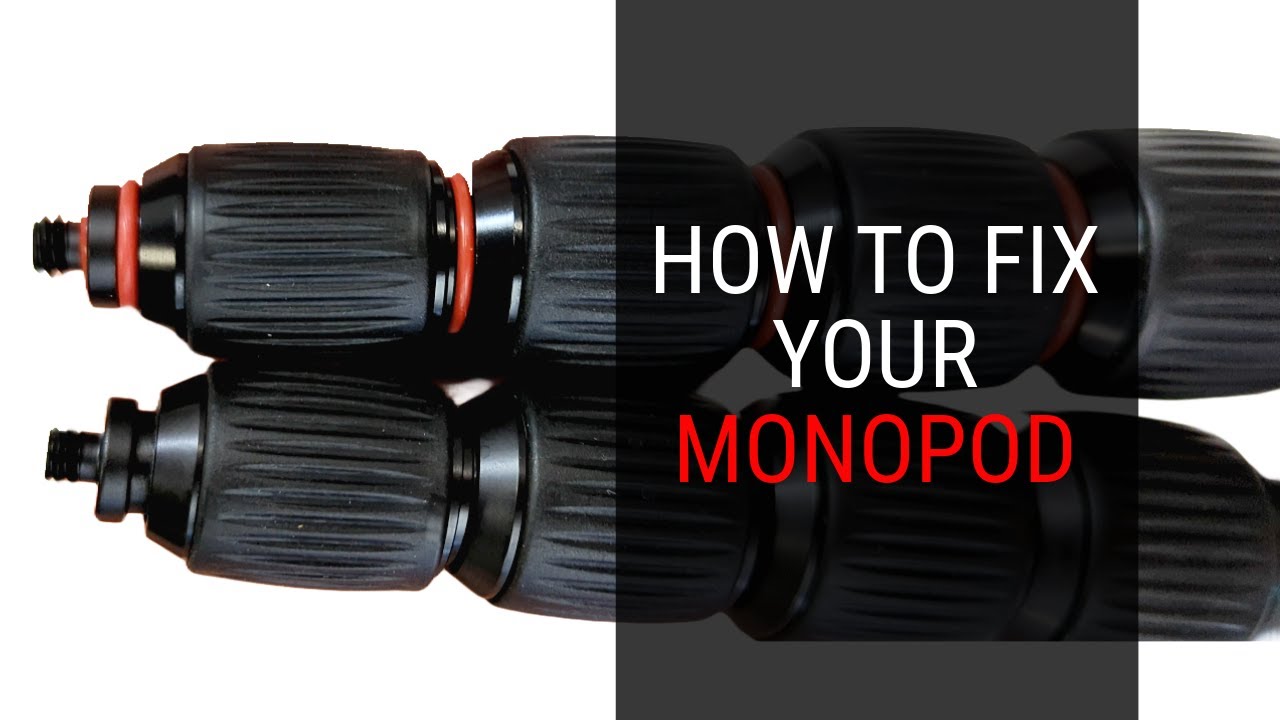
- Disassemble the monopod: Unscrew each section carefully. Lay out the parts in order.
- Clean: Wipe inside the tubes with a lint-free cloth. For stubborn dirt, use a small brush.
- Lubricate: Apply a thin layer of silicone grease. Avoid oil-based products, which can attract more dust.
- Reassemble: Put each section back, testing movement as you go.
Pro Tip: After beach or desert use, always clean your monopod. Sand is the main cause of stuck sections.
Credit: www.youtube.com
Repairing Or Replacing The Foot
A damaged monopod foot leads to slipping, instability, or even camera falls. Most feet screw on and are easy to replace.
- Remove the old foot: Unscrew it by hand or with pliers if stuck.
- Check for cracks: If the base is cracked, use super glue for small cracks. For bigger damage, replace the base.
- Install a new foot: Many brands use standard threads. Universal rubber feet are widely available online.
If your monopod has a spiked foot for outdoor use, check if it retracts and extends smoothly.
Fixing Or Replacing The Wrist Strap
A worn wrist strap can fail suddenly, dropping your monopod. Most straps attach with a screw or simple loop.
- Remove the old strap: Use a screwdriver or unthread the loop.
- Install a new strap: Buy a replacement from your monopod brand or use a strong camera strap.
- Test for strength: Tug the strap firmly to ensure it holds.
Pro Tip: Do not use thin or weak straps. A strong wrist strap protects your gear and prevents drops.
Straightening Or Replacing A Bent Mounting Screw
The mounting screw is where your camera attaches. If it’s bent, your camera may not sit flat or may wobble.
- Remove the screw: Most monopods let you unscrew this part with a wrench.
- Check for damage: Mild bends can sometimes be straightened with pliers, but it’s safer to replace.
- Install a new screw: Replacement screws are standard (1/4-inch or 3/8-inch). Check your camera’s thread size.
Example: I once tried to straighten a badly bent screw and ended up damaging the monopod head. Replacing the screw saved time and protected my camera.
When To Seek Professional Help
Some problems are best left to the experts:
- Carbon fiber cracks
- Internal mechanism failure
- Warranty repairs
If your monopod is expensive or under warranty, contact the manufacturer. DIY fixes can void your warranty or cause more damage.
A quick look at when to DIY or seek help:
| Problem | DIY Possible? | Professional Needed? |
|---|---|---|
| Loose locks | Yes | No |
| Cracked leg | Sometimes | Yes |
| Internal failure | No | Yes |
Credit: pawhavenhutto.com
Preventing Future Monopod Problems
Prevention is easier than repair. Keep your monopod working with these tips:
- Clean after every outdoor shoot.
- Avoid over-tightening locks.
- Store in a dry place.
- Check all screws and locks monthly.
- Replace worn parts early.
A well-maintained monopod can last for years. Many photographers use the same monopod for a decade or more with basic care.
For more about camera support equipment, check the Wikipedia page on monopods.
A reliable monopod means sharper photos and less stress on your arms. With the right steps, you can fix most issues yourself and keep shooting without interruption.
Frequently Asked Questions
What If My Monopod Locks Won’t Tighten At All?
Some locks wear out completely. If tightening the screw or collar doesn’t help, you may need a replacement part from your monopod’s manufacturer.
Can I Use Oil To Lubricate My Monopod?
Avoid standard oils. They attract dust and sand. Use silicone-based grease or a dry lubricant for best results.
How Do I Know If A Monopod Is Beyond Repair?
If the main tube is cracked or the internal mechanism fails, replacement is safer. Continuing to use a damaged monopod risks your camera.
Can I Replace Parts With Different Brands?
Many parts like rubber feet or screws are standard, but always check thread size and fit before buying. Some brands use unique designs.