Many photographers, both beginners and experienced, wonder whether a monopod or a tripod is the better choice. Each tool helps stabilize your camera, but they work differently and suit different situations. Making the right choice can improve your photos, comfort, and even your creativity. In this article, I’ll share practical comparisons, real-world examples, and insights most guides miss.
Table of Contents
What Is A Monopod And What Is A Tripod?
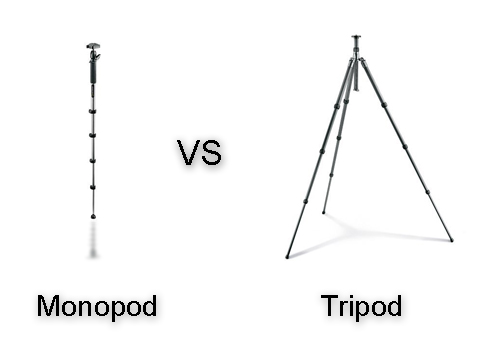
A monopod is a single-legged support for your camera. It’s lightweight and easy to move. Most monopods collapse down small, so you can carry them in a bag or hand.
A tripod has three legs and stands on its own. It’s heavier but offers maximum stability. Tripods are standard for landscape, studio, and night photography.
Both tools help reduce camera shake, but the way they do it is very different.
Monopod Vs. Tripod: Key Differences
To understand which is better, let’s look at how each works in real situations.
| Feature | Monopod | Tripod |
|---|---|---|
| Legs | 1 | 3 |
| Weight | Lighter | Heavier |
| Setup Time | Quick | Slower |
| Stability | Good (for short times) | Excellent (hands-free) |
| Best Use | Sports, wildlife | Landscapes, night shots |
Monopods are best when you need to move fast. For example, at a football game, you can follow the action and still keep your camera steady. Tripods are perfect when you want to leave your camera in one place, like for long exposures.

Credit: www.digitalcameraworld.com
When Is A Monopod Better?
Monopods shine in situations where mobility is important.
- Sports Photography: You may need to move up and down the sidelines. Carrying a tripod is slow and clumsy, but a monopod lets you walk, run, or change position quickly.
- Wildlife and Birding: Animals move fast. A monopod allows you to follow them smoothly without missing a shot.
- Crowded Spaces: In busy places like events or concerts, there’s no room for tripod legs. A monopod takes up less space and is less likely to trip someone.
- Travel: Many airlines and museums don’t allow tripods, but monopods are often accepted. They also fit easily into a backpack.
Pro Tip: Even though a monopod is stable, you must hold it. If you let go, your camera will fall.
When Is A Tripod Better?
Tripods are the best choice when maximum stability is needed.
- Long Exposures: For shots longer than 1/30 second, a tripod is the only way to keep your camera still enough for sharp images.
- Night Photography: Cityscapes, stars, and fireworks all require the camera to stay still for several seconds or more.
- Video Recording: If you want smooth, shake-free video, especially for interviews or landscapes, a tripod is ideal.
- Self-Portraits and Group Photos: You can set a timer, step into the shot, and not worry about holding the camera.
In my experience, shooting waterfalls with a tripod gives much sharper results than trying to balance on a monopod, especially with heavy gear.
Credit: www.better-digital-photo-tips.com
Real-world Example: Sports Vs. Landscapes
Let’s say you are at a soccer match. A monopod lets you follow the players and react quickly. But if you’re at a mountain overlook, waiting for the perfect sunrise, a tripod lets you set up and wait hands-free.
| Situation | Recommended Support | Why |
|---|---|---|
| Sports Event | Monopod | Quick movement, less space |
| Night Cityscape | Tripod | Long exposures, stability |
| Wedding Ceremony | Monopod | Move around people, low profile |
| Astrophotography | Tripod | Very long exposures |
Hidden Downsides Most Beginners Miss
Many people think, “A monopod is lighter, so it must be better for travel. ” But there’s more to consider.
- Fatigue: Holding a monopod for hours can tire your arms. With a tripod, you can let go and rest.
- Sharpness: For the sharpest photos (like macro or product shots), only a tripod gives true hands-free stability.
- Wind: A tripod with a weight hook can handle wind better. A monopod can wobble in strong gusts.
Choosing The Right Tool For You
Ask yourself these questions before buying:
- What type of photography do you do most?
- How much gear do you carry?
- Will you shoot in crowded or open spaces?
- Do you need to move quickly, or will you stay in one spot?
If you’re still unsure, try renting or borrowing both. Many photographers eventually own both, a monopod for action and travel, and a tripod for slow, careful work.
Practical Buying Tips
When shopping for a support, keep these points in mind:
- Material: Carbon fiber is lighter but more expensive. Aluminum is heavier and cheaper.
- Height: Make sure it’s tall enough for you. Bending over can cause back pain.
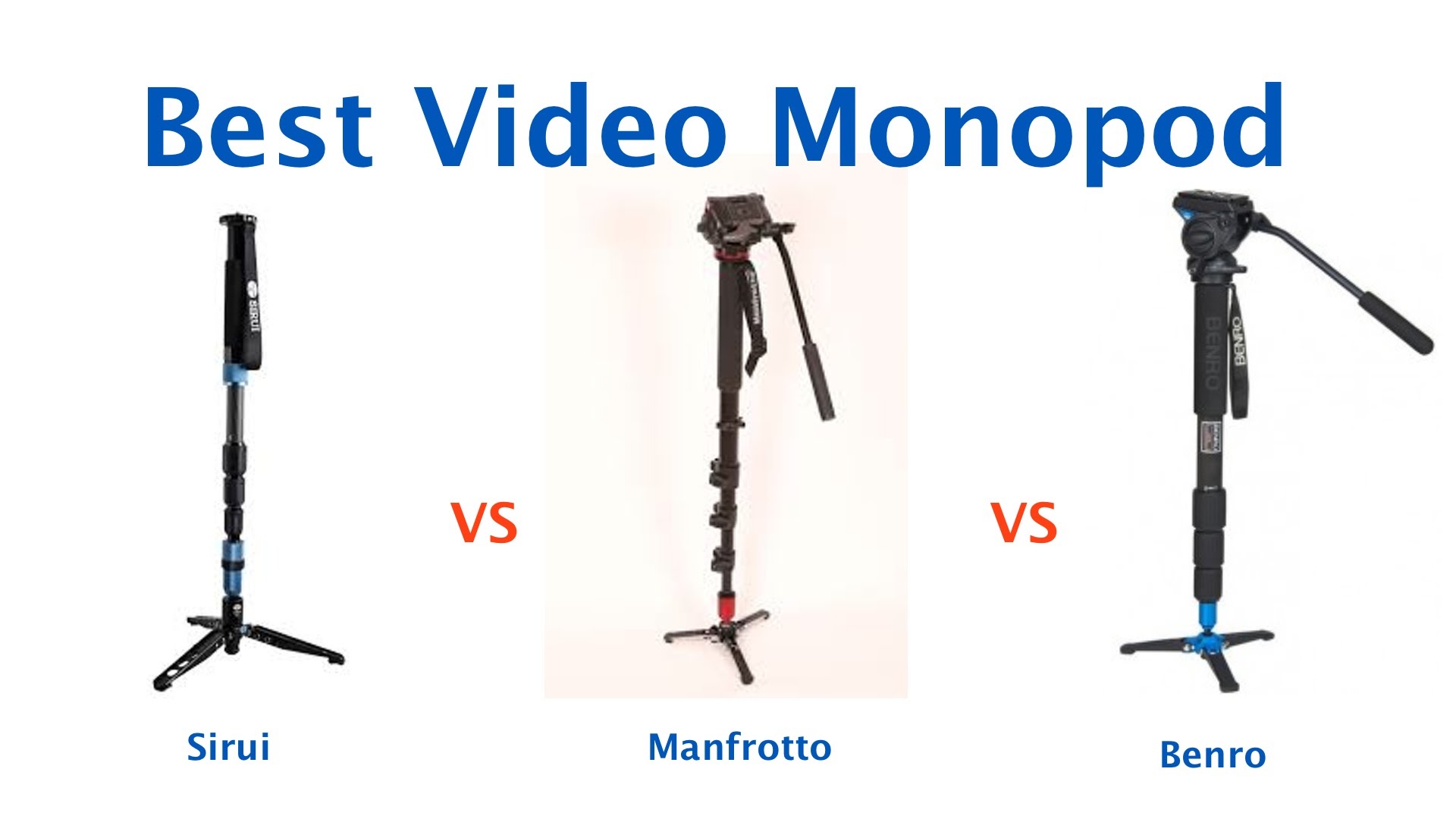
- Head Type: A ball head is quick to adjust; a pan-tilt head is better for video.
- Weight Limit: Check how much your camera and lens weigh. Choose a support that can handle more than your heaviest setup.
Warning: Cheap, flimsy supports can fail and damage your camera. Invest in trusted brands and read reviews on reputable sites like DPReview.
Credit: lensvid.com
Frequently Asked Questions
Is A Monopod Allowed Where Tripods Are Banned?
Yes. Many museums, stadiums, and public places allow monopods but ban tripods because monopods take less space and are less likely to block walkways or exits.
Can I Use A Monopod As A Walking Stick?
Some photographers do, but it’s not recommended for long hikes. Monopods are not designed for full body weight and can break or become damaged if used as a hiking pole.
Is Image Stabilization Still Needed With A Monopod Or Tripod?
Yes. Image stabilization in your lens or camera helps, especially with a monopod. For very long exposures, turn it off on a tripod to avoid vibration from the system itself.
Which Is Better For Video: Monopod Or Tripod?
For static shots, a tripod is best. For moving shots, like following a subject, a monopod offers smoother movement than handholding but less stability than a tripod.
How Do I Travel With A Tripod Or Monopod?
Pack them in checked luggage when flying. Some compact monopods fit inside carry-ons. Always check airline and country rules before traveling with camera supports.
Whether a monopod or tripod is better depends on your needs. Each tool