Choosing the right shooting support can make a big difference for hunters, target shooters, and wildlife photographers. Monopod and bipod shooting sticks are the two most popular options, but each brings unique strengths and weaknesses. The right choice depends on your activity, terrain, and personal style. Let’s break down the differences so you can pick the best tool for your next trip.
Table of Contents
What Is A Monopod Shooting Stick?
A monopod is a single, extendable stick used to steady your rifle or camera. It’s lightweight, easy to carry, and fast to set up. Many hunters prefer monopods for their simplicity.
Monopods are great for situations where you need to move quickly or travel long distances. They don’t add much weight to your gear. With only one leg, though, monopods offer less stability than other supports, especially on uneven ground.
One thing many new users miss: monopods can double as a walking stick, saving space in your pack. That dual use can be helpful during long hikes.
What Is A Bipod Shooting Stick?
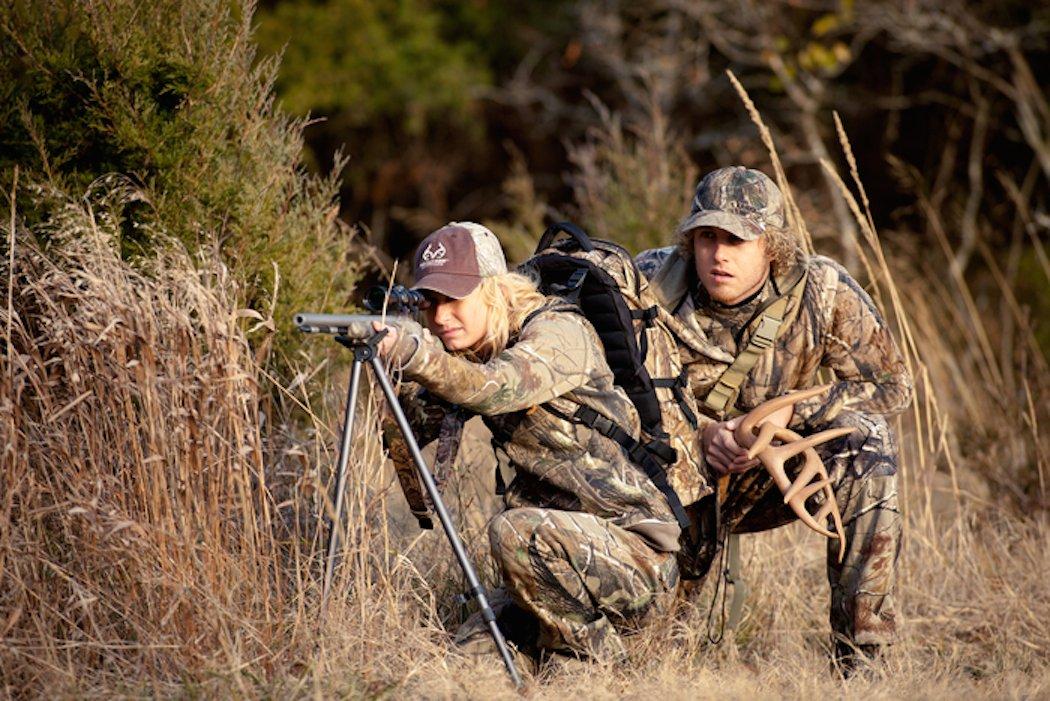
A bipod shooting stick has two legs and provides a more stable rest than a monopod. Bipods can be attached directly to your rifle or used as a separate support.
Bipods are popular with shooters who need extra stability for long shots. The two legs help keep the rifle steady, reducing movement. This is especially useful when shooting from a prone or sitting position.
Unlike tripods, bipods balance stability with light weight. However, they are bulkier than monopods and take a bit longer to set up, which can be a disadvantage if you need to move quickly.
Credit: realtree.com
Monopod Vs Bipod: Key Differences
Let’s compare the main features of monopods and bipods side by side.
| Feature | Monopod | Bipod |
|---|---|---|
| Number of Legs | 1 | 2 |
| Weight | Lighter | Heavier |
| Stability | Lower | Higher |
| Setup Speed | Faster | Slower |
| Best Use | Mobile hunting, walking | Precision shooting |
Where Monopods Excel
Monopods shine in situations where speed and mobility matter. If you’re hiking through thick brush or covering long distances, every ounce counts. Monopods are easy to carry, and many models fit in a backpack side pocket.
In my experience, monopods are a top choice for spot-and-stalk hunting. You can use one hand to steady your rifle quickly, then move on without fuss. They also work well for photographers who need to react fast to changing scenes.
Pro Tip: Practice using your monopod from different positions, standing, kneeling, and sitting. You’ll get more stable shots if you know how to brace your body.
Where Bipods Outperform
Bipods offer more stability, making them better for long shots or shooting from fixed positions. Precision shooters and varmint hunters often rely on bipods to hold their rifles steady for several minutes.
Bipods are also useful for shooting on uneven ground. You can adjust the length of each leg to keep your rifle level, even on hills or rocky surfaces. Some bipods swivel or tilt for even more flexibility.
A detail beginners miss: using a bipod often requires you to control recoil differently. The extra stability means less movement, but if your rifle isn’t loaded properly onto the bipod, your shots may go off target.
When To Choose A Monopod Or Bipod
The best choice depends on your needs:
- Choose a monopod if you value light weight, speed, and versatility.
- Choose a bipod if you need maximum stability for long-range or precision shooting.
Here’s a quick look at which activities suit each support:
| Activity | Best Support |
|---|---|
| Spot-and-stalk hunting | Monopod |
| Benchrest shooting | Bipod |
| Wildlife photography (on the move) | Monopod |
| Long-range target shooting | Bipod |
| Upland bird hunting | Monopod |
Important Factors To Consider
Before buying, think about:
- Terrain: Rough, rocky ground makes bipods more useful, but monopods are easier to reposition.
- Shooting position: Will you shoot standing, sitting, or prone? Bipods work best for sitting or prone; monopods are more flexible.
- Weight: If you hike far, every ounce matters. Monopods are lighter.
- Ease of use: Monopods set up fast; bipods take more time but provide a steady shot.
- Budget: Both come in a range of prices, but bipods tend to cost more for high-end models.
Many new shooters forget to check the attachment type. Some bipods require a special rail or stud on your rifle. Make sure your firearm is compatible before buying.
Example: Which Stick For Mountain Hunting?
When hunting in the mountains, I found a monopod was easier to use. The terrain was uneven and rocky, so I could quickly adjust my position and take a shot. A bipod would have slowed me down and added extra weight.
But, on a flat shooting range, my bipod gave me the solid base I needed for accurate, repeatable shots. The type of shooting stick made a clear difference in my results.

Credit: www.wideopenspaces.com
Common Mistakes When Choosing Shooting Sticks
- Ignoring total weight: Some bipods are heavier than you expect.
- Forgetting about portability: A long bipod may not fit in your bag.
- Not practicing: Even the best stick won’t help if you don’t know how to use it well.
- Overlooking compatibility: Check your rifle or camera mount before buying.
- Picking the wrong length: Adjustable sticks are more flexible for different positions.
Frequently Asked Questions
Which Is Better For Hunting, A Monopod Or Bipod?
For active hunters who walk a lot, a monopod is usually better. It’s lighter, faster to set up, and doubles as a walking stick. If you hunt from a fixed spot or need long-range accuracy, a bipod gives more stability.
Can You Use A Bipod For Photography?
Yes, but tripods are usually better for cameras. Bipods can steady a camera, but they don’t offer full support. For quick shots on the move, a monopod is often more practical.
Are Monopods Or Bipods Allowed In Shooting Competitions?
Rules vary. Some competitions allow bipods, especially in the prone position, while others only allow shooting sticks or require no support. Always check the event’s regulations before bringing your gear.
Do Shooting Sticks Help Reduce Recoil?
They can help manage recoil by providing a stable base, especially bipods. However, proper technique is still needed. Poorly loaded rifles can still “jump” even with a bipod.
How Do I Maintain My Shooting Stick?
Keep it clean and dry.