Choosing the right camera support can make a big difference in your photos and videos. Many creators face a common question: should you use a monopod or a gimbal? Both tools help stabilize your camera, but they work in different ways and suit different needs. If you are new to photography or videography, understanding the strengths and limits of each will save you time, money, and frustration.
Table of Contents
What Is A Monopod?
A monopod is a single-legged support for your camera. It is much simpler than a tripod but offers more stability than shooting handheld. Monopods are usually lightweight and easy to carry. Sports and wildlife photographers often use them because they can quickly move and set up for the next shot.
Most monopods collapse into a small size, making them easy to pack. You simply extend the leg, attach your camera, and use the monopod to take some of the camera’s weight off your arms. This reduces fatigue and gives your photos a sharper look, especially with heavy lenses.
What Is A Gimbal?
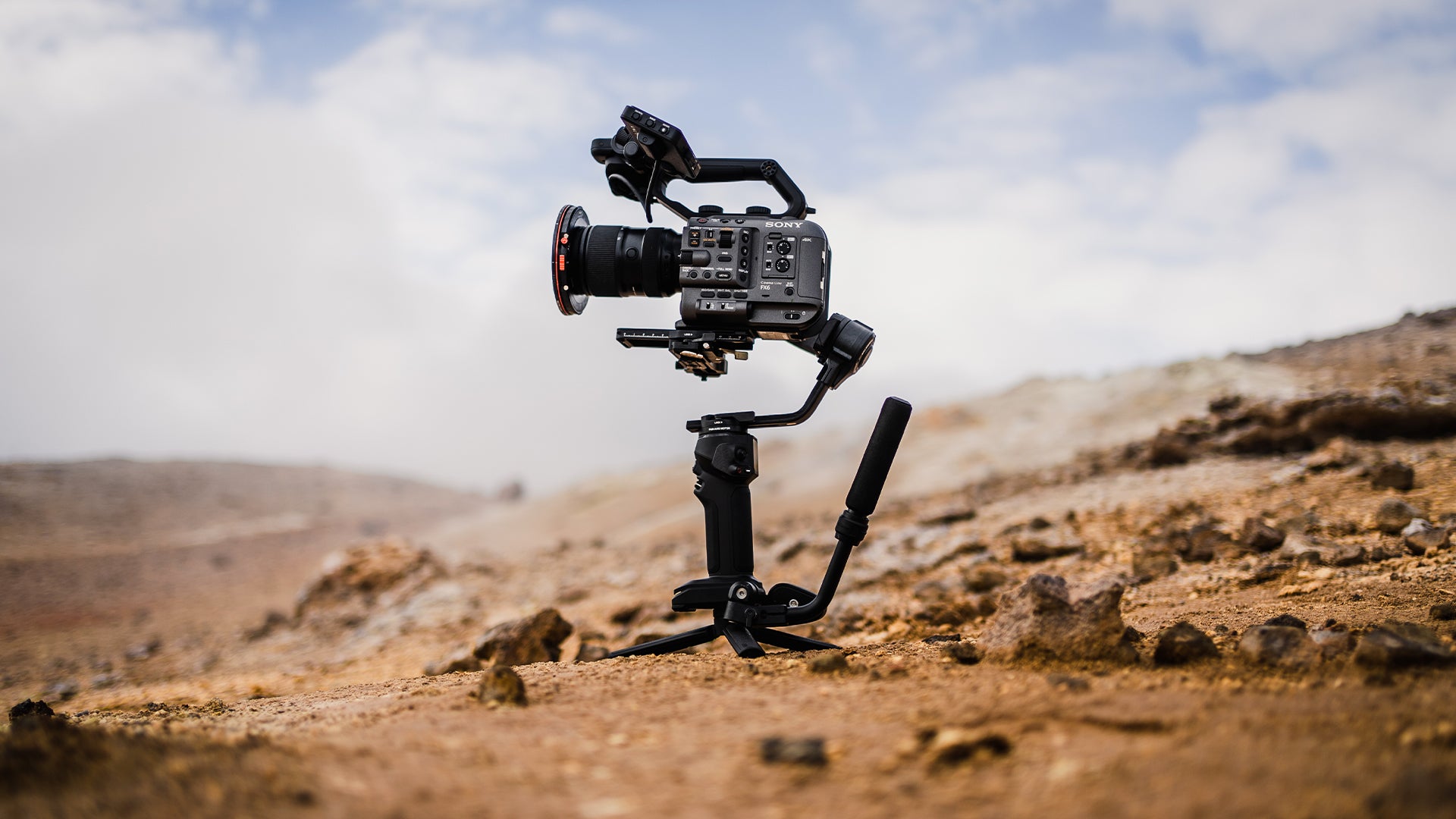
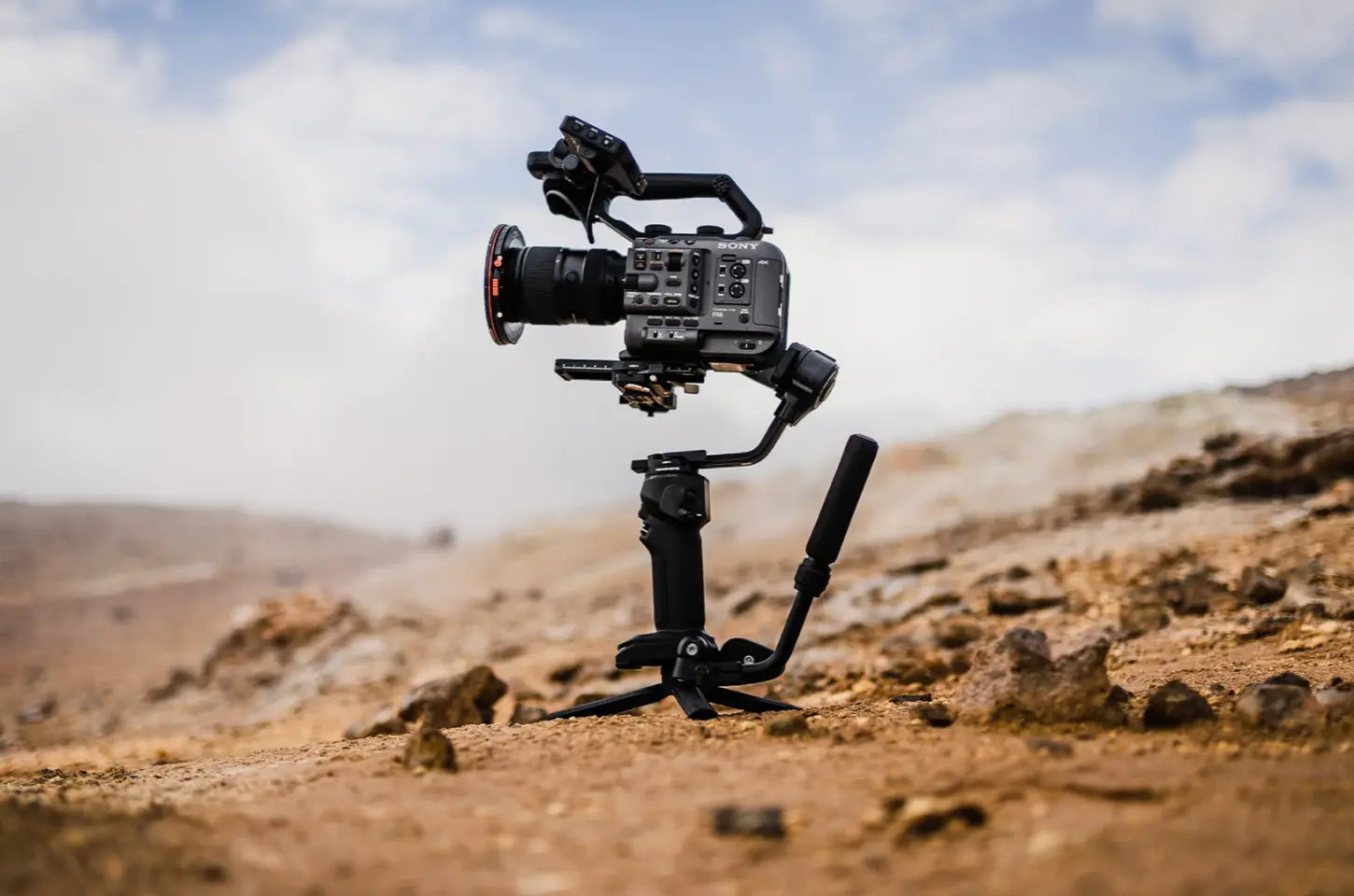
A gimbal is a device that keeps your camera steady using motors and sensors. It balances the camera and helps you make smooth movements, even when you walk or move your hands. Gimbals are popular among videographers who want professional-looking footage without shakes and jitters.
Modern gimbals use electronics to detect unwanted movement. The motors quickly correct your camera’s position, allowing you to move in any direction while keeping the shot stable. Some gimbals are handheld, while others can be mounted on tripods or drones.

Credit: www.youtube.com
Monopod Vs Gimbal: Main Differences
Below is a quick comparison of key features between monopods and gimbals:
| Feature | Monopod | Gimbal |
|---|---|---|
| Stabilization | Basic (up/down, some side-to-side) | Advanced (3-axis, smooth pans and tilts) |
| Weight | Light | Medium to heavy |
| Setup Time | Very fast | Longer (balancing required) |
| Battery Needed | No | Yes |
| Price Range | Low to mid | Mid to high |
A monopod is simple and fast, while a gimbal offers advanced stabilization but is heavier and needs power.
When To Choose A Monopod
Monopods are best for:
- Sports Photography: Quick movement is key, and a monopod helps you move fast while keeping your camera steady.
- Wildlife and Nature: When you need to change positions often, a monopod is easy to carry and set up.
- Events: In crowded places, a monopod takes up less space than a tripod.
Pro Tip: If you shoot with a heavy telephoto lens, a monopod saves your arms from getting tired during long sessions.
Monopods do not provide full stability like a tripod. They mainly help with vertical shake, not so much with side-to-side or rotational movement. Still, the improvement over handheld shooting is clear, especially for still photos.
Credit: eu.zhiyun-tech.com
When To Choose A Gimbal
Gimbals shine in:
- Video Shoots: For smooth tracking shots, pans, and walking scenes, nothing beats a gimbal.
- Vlogging: If you move while talking to the camera, a gimbal keeps your footage steady.
- Creative Angles: Gimbals let you shoot from high or low angles without losing stability.
A gimbal does have a learning curve. You need to balance your camera and understand the controls. In my experience, the first setup can take 10-15 minutes, but it gets faster with practice. The results, however, are worth it if you value professional-looking video.
One non-obvious insight: gimbals work best with lighter cameras. Heavier setups can stress the motors, reducing battery life and performance.
Strengths And Weaknesses: A Closer Look
Here’s a deeper comparison to help you decide:
| Aspect | Monopod Strengths | Monopod Weaknesses | Gimbal Strengths | Gimbal Weaknesses |
|---|---|---|---|---|
| Portability | Very portable | Less stable than tripod | Can be compact | Heavier, bulkier |
| Ease of Use | No batteries, simple | Limited stabilization | Smooth, cinematic video | Requires charging, setup |
| Cost | Affordable | Not for complex moves | Advanced features | Expensive |
Another tip beginners miss: monopods can double as walking sticks during outdoor shoots, but gimbals are too delicate for this.
Which Is Better For You?
Choosing between a monopod and a gimbal depends on your main goal:
- For still photography or situations where you need to move quickly, a monopod is a smart, budget-friendly choice.
- For video with lots of motion, a gimbal gives the smoothest results, especially for creative shots.
It’s not about one being better than the other, they solve different problems. Some professionals carry both and switch depending on the moment.
Common Mistakes To Avoid
Many beginners buy a gimbal expecting it to fix all camera shake, only to find it struggles with very heavy setups. Others use a monopod for video, not realizing it cannot smooth out walking or moving shots.
Another common error: ignoring the need for practice. Both tools require some time to master. A few hours of practice can make a big difference in your results.
Credit: store.zhiyun-tech.com
Real-world Examples
A sports photographer at a soccer match uses a monopod with a 400mm lens to quickly follow the action, reducing arm fatigue. Meanwhile, a wedding videographer uses a gimbal to move smoothly with the couple during their first dance, creating cinematic footage.
For more details on stabilization technology, check the Wikipedia page on camera stabilizers.
Frequently Asked Questions
Can I Use A Gimbal For Still Photography?
Yes, but it’s usually not necessary. Gimbals are designed for video. For still photos, a monopod or tripod is simpler and easier to use.
Do Monopods Work With All Camera Types?
Most monopods have a standard 1/4-inch screw that fits DSLRs, mirrorless cameras, and even small camcorders. Always check the weight limit before mounting heavy equipment.
How Long Does A Gimbal Battery Last?
Battery life varies, but most handheld gimbals run for 8, 12 hours per charge. If you use heavy cameras or motors often, expect shorter battery life.
Is It Hard To Balance A Gimbal?
The first time can be tricky, especially with large lenses. After some practice, balancing takes just a few minutes. Balancing is key for smooth operation and longer motor life.
Can I Travel With A Gimbal On Planes?
Yes, but check airline rules for batteries. Most gimbal batteries are allowed in carry-on bags, but always