Adjusting your camera strap might sound simple, but it can make a big difference in comfort and shooting experience. Many photographers, especially beginners, don’t realize how much a properly adjusted strap helps with stability and quick access. Whether you use a neck strap, shoulder strap, or wrist strap, small changes can improve your results and reduce strain during long photo sessions.
Table of Contents
Why Camera Strap Adjustment Matters
A well-fitted camera strap does more than keep your camera safe. It helps to:
- Distribute weight evenly to prevent shoulder or neck pain.
- Reduce camera swing so you’re ready to shoot faster.
- Lower fatigue during events or travel.
Research shows that carrying a DSLR with a poorly adjusted strap can increase strain by up to 30%. This can lead to discomfort or even dropped cameras, especially for those who shoot for hours.
Types Of Camera Straps And Adjustment Methods
There are several common strap types, each with its own adjustment method. Here’s a quick comparison:
| Strap Type | Adjustment Mechanism | Best For |
|---|---|---|
| Neck Strap | Sliding Buckles | General Use |
| Shoulder Strap | Quick-Release Clips | Heavy Cameras |
| Wrist Strap | Velcro or Buckle | Compact Cameras |
For most adjustable straps, you’ll find sliding buckles or clips. They let you change the length quickly—ideal for switching between carrying and shooting.
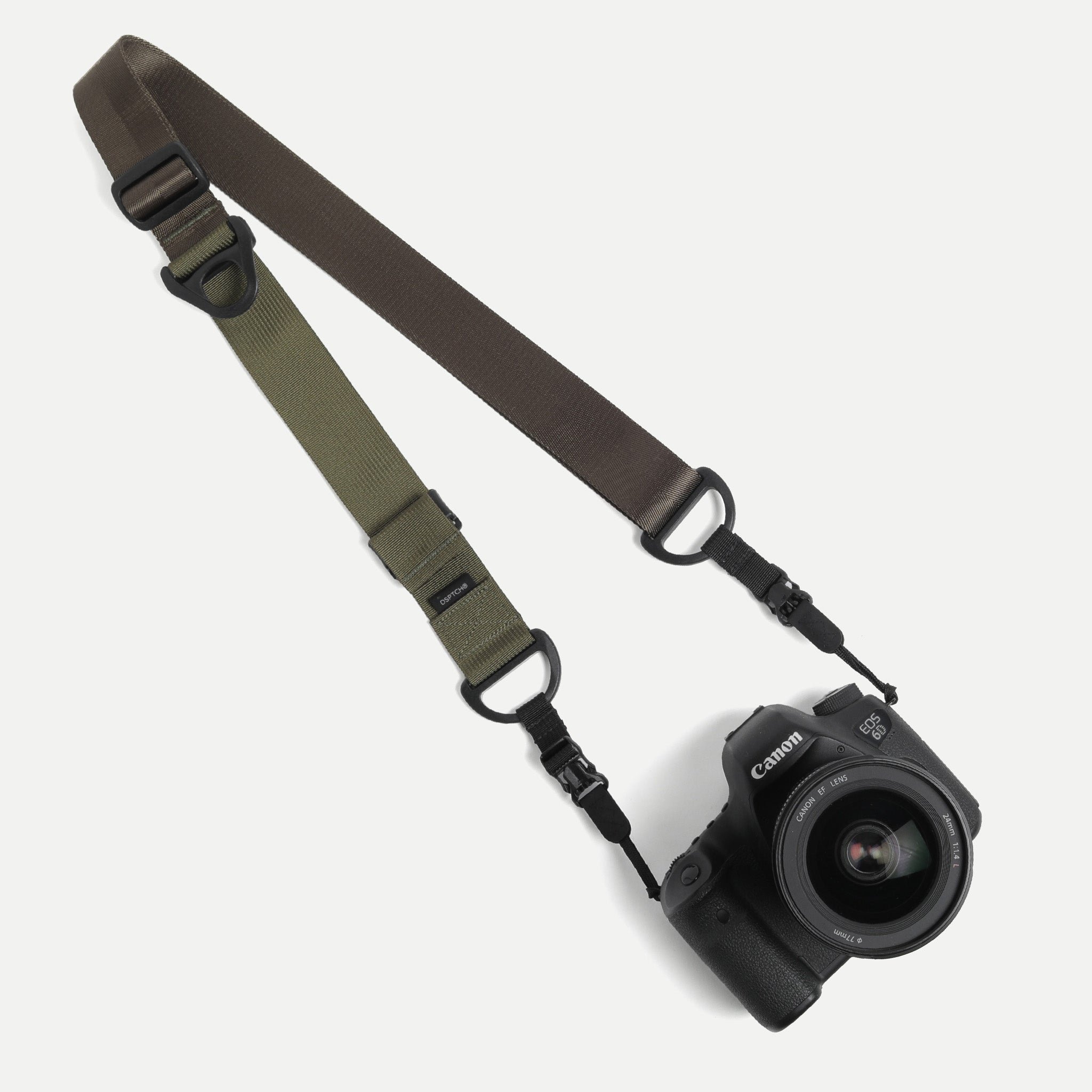
Credit: www.dsptch.com
Step-by-step: How To Adjust Your Camera Strap
Follow these steps for a perfect fit:
- Identify the adjustment points. Most straps have two sliding buckles.
- Loosen or tighten the strap by sliding the buckles up or down.
- Test the length. The camera should hang at your hip or chest, not too low or high.
- Check for twists in the strap to avoid discomfort.
- Lock the buckles or clips in place after adjusting.
Here’s a simple table showing recommended lengths for different uses:
| Usage | Recommended Length |
|---|---|
| Neck Carry | 18-24 inches |
| Shoulder Sling | 24-30 inches |
| Crossbody | 30-36 inches |
Common Mistakes To Avoid
- Setting the strap too long: This can cause the camera to bump into objects.
- Ignoring weight balance: A heavy lens can pull the strap out of alignment.
- Not securing the buckles: Loose buckles can slip, risking drops.
Many new photographers also forget to check the strap’s condition. Frayed or damaged straps are unsafe, even if adjusted properly.
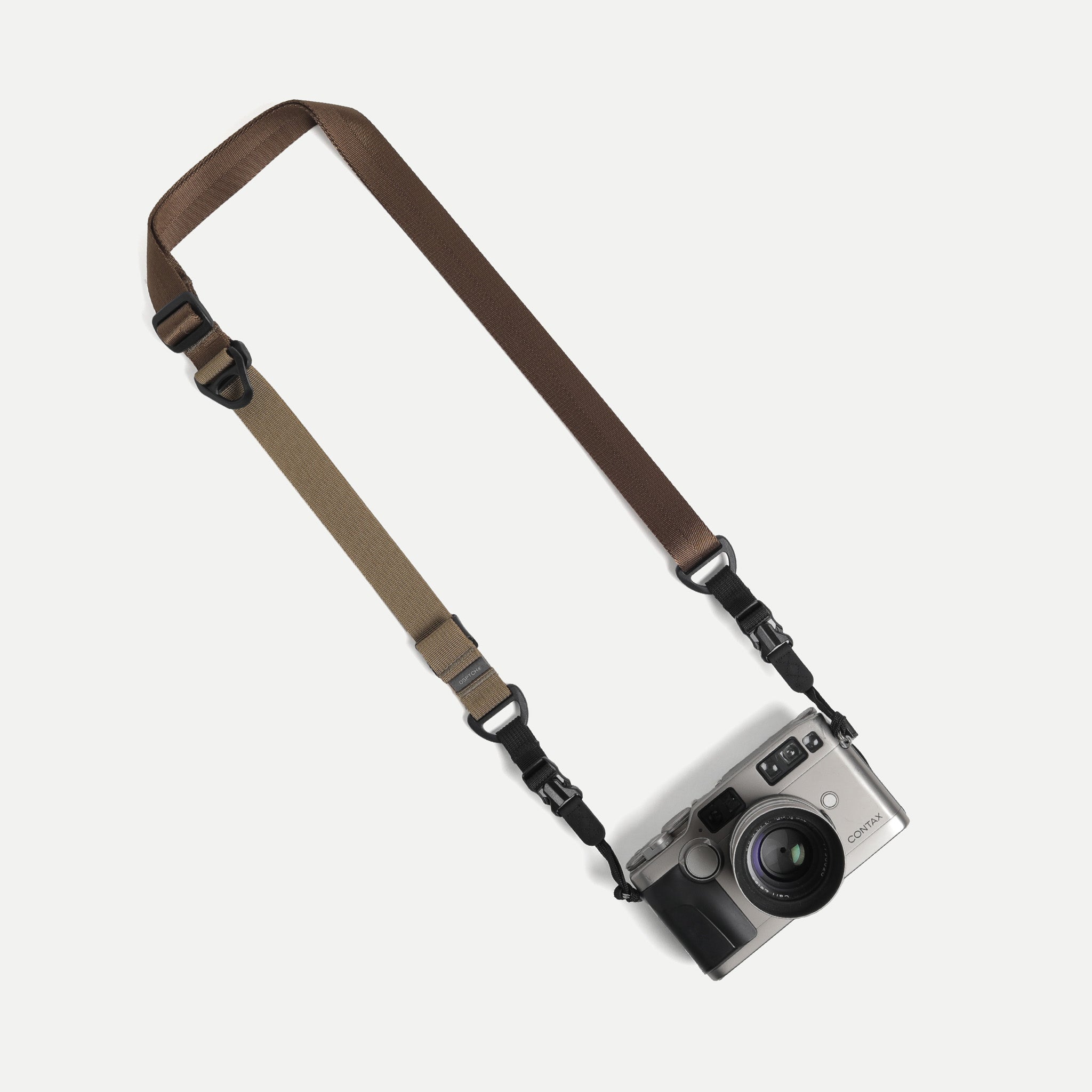
Credit: kiekebusch.com
Additional Tips
- Try adjusting your strap while wearing your camera bag to check real-world comfort.
- For quick shooting, consider a shoulder or sling strap.
- For high security, wrist straps work well with lightweight cameras.
If you’re considering a new strap, explore options and reviews at Digital Camera World.
A small change in strap length or style can help you shoot longer, travel more comfortably, and protect your gear. Don’t underestimate this simple but important adjustment.
Frequently Asked Questions
How Do I Know If My Camera Strap Is Too Tight?
If the strap restricts movement or feels uncomfortable after a few minutes, it’s likely too tight. Adjust until you can move your camera easily.
Can I Adjust Any Type Of Camera Strap?
Most modern straps are adjustable, but some vintage or designer straps may not be. Always check before buying.
Is A Shorter Strap Better For Street Photography?
Yes, a shorter strap keeps your camera close and ready, which is useful in crowded places.
Should I Use A Padded Strap For Heavy Cameras?
A padded strap helps distribute weight and reduces shoulder pain, especially with DSLRs or long lenses.
How Often Should I Check My Strap’s Condition?
Check your strap every month or before major shoots. Look for fraying, loose stitching, or damaged buckles.

Credit: www.youtube.com