Table of Contents
Chickens And Camera Stabilization: Fact Or Fun?
If you’ve spent time on social media, you may have seen videos showing chickens’ heads staying perfectly still—even when their bodies move. This strange ability has made some people ask, “Are chickens good camera stabilizers?” The idea is funny, but there’s real science behind it. Let’s explore whether chickens can actually help with camera stabilization or if it’s just an internet joke.
Why Chickens’ Heads Stay Still
Chickens have a natural reflex called the vestibulo-ocular reflex. When their bodies move, their neck muscles automatically adjust to keep their heads steady. This helps them see clearly while walking or running. In fact, studies show chickens can hold their heads almost motionless, even if the rest of the body moves up and down by several inches.
This reflex is so strong that some people have used it as a fun experiment. For example, when you move a chicken’s body forward, its head will stay in the same spot for a moment, as if it’s floating in space.
Comparing Chickens To Real Camera Stabilizers
But does this mean a chicken could replace a gimbal or a steadycam? Here’s a quick comparison:
| Feature | Chicken | Modern Stabilizer |
|---|---|---|
| Stabilization Method | Neck reflex | Mechanical/motorized |
| Weight Support | Very light cameras only | Several pounds |
| Reliability | Unpredictable | High |
| Battery Needed | No | Yes (most) |
Chickens do keep their heads steady, but only for small, gentle movements. They can’t handle quick shakes, and their heads are too small for most cameras.

Credit: www.videomaker.com
Real-life Experiments
A few inventors have tried attaching GoPro cameras to chicken heads for fun. The results are sometimes surprisingly smooth for short, slow walks. However, chickens can get distracted, turn their heads, or even peck at the camera. Their stabilization only works forward and backward, not with side-to-side head tilts.
Here’s a table summarizing the results from chicken stabilizer tests:
| Test Situation | Stability | Notes |
|---|---|---|
| Walking forward slowly | Good | Head stays stable |
| Fast movements | Poor | Head bobs, camera shakes |
| Loud noises | Poor | Chicken gets startled |
| Turning head | Poor | Video jumps suddenly |
Ethical And Practical Concerns
Using chickens as stabilizers is not practical or kind. Chickens can get scared or hurt. Modern camera stabilizers are designed for safety and performance. They don’t need food, rest, or care, and they work in all directions.
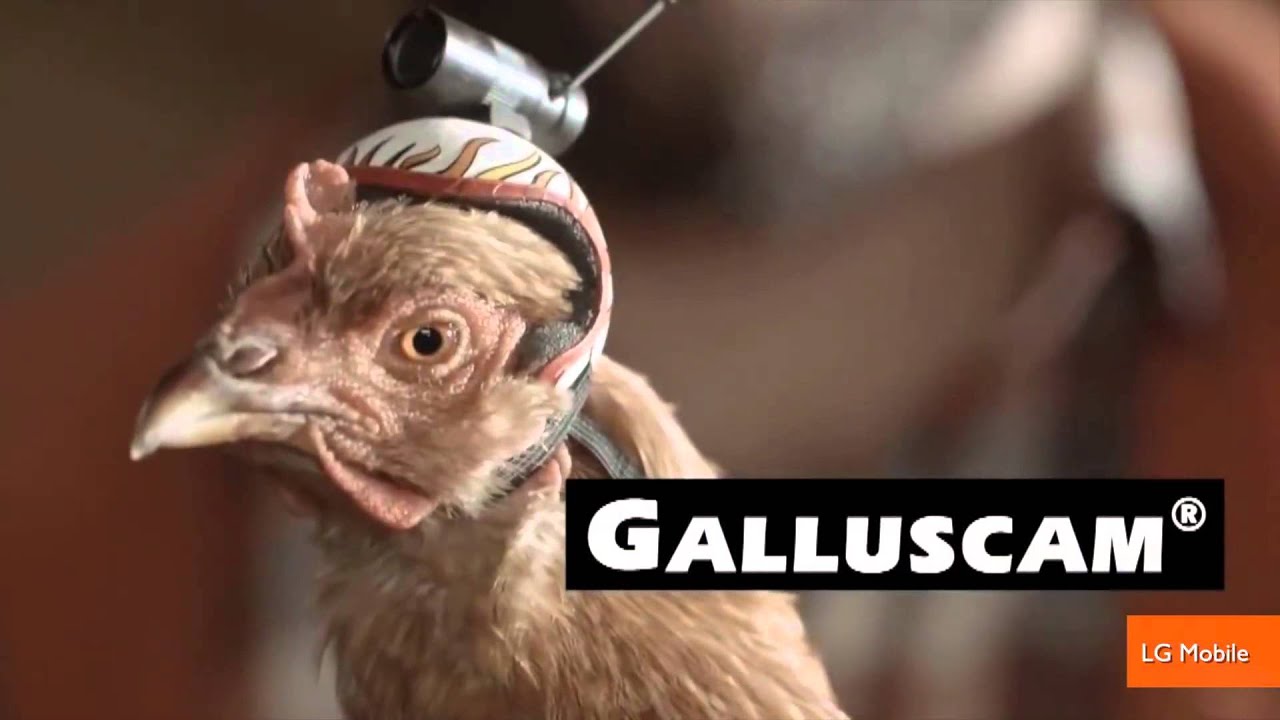
Credit: www.youtube.com
The Bottom Line
Chickens’ head stability is interesting, and it inspired some technology, but they are not useful as camera stabilizers. If you want smooth footage, a real gimbal or steadycam is the smart choice. For more about the science behind chicken head stabilization, see this Wikipedia article.
Frequently Asked Questions
Why Do Chickens Keep Their Heads So Steady?
Chickens use a reflex to keep their vision clear. Their neck muscles adjust automatically to movement.
Can You Safely Use A Chicken As A Camera Stabilizer?
No. It’s not safe or ethical for the chicken, and it doesn’t work well for most cameras.
Are There Any Devices Inspired By Chickens?
Yes, some engineers studied chicken head movement when designing new camera stabilizers.
What’s The Best Way To Get Stable Video Footage?
Use a modern camera stabilizer like a gimbal or steadycam for smooth results.
Do Other Animals Have The Same Reflex?
Many birds have similar head stabilization, but chickens are the most famous for it.

Credit: blog.wolfram.com