Photographers often hear about lens filters but may not know when to use them. The right camera lens filter can solve tricky problems and improve your images in ways editing software cannot. Understanding when and why to use filters helps you capture better photos in challenging conditions.
Table of Contents
Common Types Of Camera Lens Filters
Each filter type serves a unique purpose. Here’s a quick overview:
| Filter Type | Main Use | Typical Scenario |
|---|---|---|
| UV Filter | Protection | Everyday shooting |
| Polarizing Filter | Enhance colors, reduce reflections | Landscapes, water, sky |
| ND (Neutral Density) Filter | Control light | Long exposures, video |
| Graduated ND Filter | Balance exposure | Sky/ground scenes |
When To Use Camera Lens Filters
Knowing when to use filters depends on your subject, light, and creative goals.
1. When Shooting Landscapes
Polarizing filters work best when photographing blue skies, green trees, or water. They cut glare and make colors richer. For example, a polarizer can turn a washed-out sky into a deep blue and reveal underwater rocks by removing surface reflections.
2. Shooting In Bright Light
ND filters help you shoot with a wide aperture or slow shutter speed in sunlight. This is perfect for blurring waterfalls or creating smooth clouds. For video, ND filters keep your shutter speed at the cinematic 1/50 or 1/60 second outdoors.
3. Protecting Your Lens
UV filters don’t affect image quality with digital cameras but protect your expensive lens from scratches, dust, and fingerprints. Many professionals keep a UV filter on at all times for peace of mind.
4. Balancing Exposure
Graduated ND filters are useful when the sky is much brighter than the ground. These filters darken just the top of your frame, so the sky and land both look properly exposed. This technique is common in sunrise and sunset photography.

Credit: www.studiobinder.com
Pros And Cons Of Using Filters
It helps to compare benefits and downsides:
| Pros | Cons |
|---|---|
| Protects lens | May cause lens flare |
| Improves image quality | Extra cost |
| Enables creative effects | Can reduce sharpness if low quality |
Two Insights Most Beginners Miss
First, stacking too many filters can cause vignetting, where corners of your photo turn dark. Use one filter at a time unless necessary. Second, always buy high-quality filters. Cheap glass can lower sharpness and add unwanted color casts.
Camera lens filters are tools, not magic fixes. Use them thoughtfully and you’ll see real improvements, especially in bright outdoor scenes or tricky lighting.
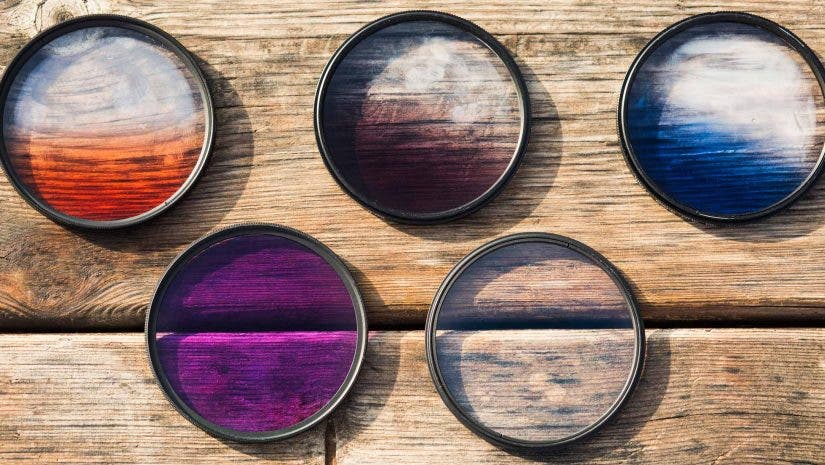
Credit: www.adorama.com
Frequently Asked Questions
Do I Always Need A Filter On My Lens?
No. Filters are useful but not required for every shot. Use them when the situation calls for it.
Will A Filter Affect My Autofocus?
High-quality filters rarely affect autofocus. Poor quality or dirty filters can sometimes slow it down.
Can Filters Be Used With Any Camera?
Yes, as long as the filter fits your lens size. Check the diameter marked on your lens.
Are Digital Filters In Editing Software Enough?
Editing can help, but some effects—like removing reflections—are only possible with physical filters.
Where Can I Learn More About Lens Filters?
For a deeper dive, visit the Wikipedia page on photographic filters.