Capturing stunning photos sometimes needs more than just a good camera and lens. One tool that makes a big difference is the ND filter (Neutral Density filter). This filter reduces the amount of light entering your camera, letting you control exposure in ways not possible with only camera settings. But when is the right time to use an ND filter? Let’s look at the key situations, benefits, and real-world tips to help you decide.
Table of Contents
When Should You Use An Nd Filter?
ND filters shine in specific conditions where light control is critical. Here are the main times to consider one:
1. Bright Daylight Long Exposures
When shooting landscapes or cityscapes in full sun, your camera might let in too much light, even at the lowest ISO and smallest aperture. ND filters help you get that smooth, silky water in waterfalls or moving clouds by allowing longer shutter speeds without overexposing the photo.
2. Motion Blur In Busy Scenes
Want to blur people walking through a square or cars passing by? ND filters let you use a slow shutter speed, turning crowds into ghostly shapes and making traffic disappear. This is popular in fine art and architectural photography.
3. Wider Apertures In Bright Light
Portrait photographers love a soft background (bokeh), which needs a wide aperture (like f/1. 8 or f/2. 8). In bright conditions, this often overexposes photos. An ND filter cuts the light, so you can keep the background creamy, even at noon.
4. Video Recording
Most videographers aim for a natural motion blur by setting their shutter speed at double the frame rate (the 180-degree rule). In sunlight, this often makes videos too bright. ND filters allow proper exposure and smooth, cinematic motion.
5. Creative Effects
You can use ND filters for star trails, light painting, or other artistic long exposures at night or in changing light. They help balance exposure while letting you play with creative settings.
Types Of Nd Filters: Quick Comparison
Not every ND filter is the same. Here’s a quick look at the main types:
| Type | Strength | Best Use |
|---|---|---|
| Fixed ND | Single level (e.g. ND8) | Consistent scenes |
| Variable ND | Adjustable | Changing light |
| Graduated ND | Partial (top/bottom) | Landscapes (sky/ground) |
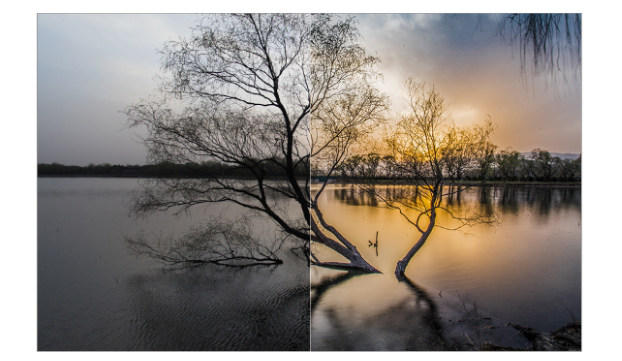
Credit: kasefilters.eu
Nd Filter Strengths Explained
ND filters come in different strengths, measured in stops. More stops mean less light passes through.
| ND Filter | Stops of Light | Example Use |
|---|---|---|
| ND2 | 1 stop | Slight brightness reduction |
| ND8 | 3 stops | Basic motion blur |
| ND1000 | 10 stops | Extreme long exposure |
Practical Tips And Hidden Insights
- Always compose and focus before putting on a strong ND filter. Some filters are so dark you can’t see through them.
- Cheap ND filters can add a color cast or reduce image sharpness. Invest in a quality brand for best results.
- Some variable ND filters cause “X marks” or uneven exposure at high strengths.
- Light leaks from the lens or viewfinder can ruin long exposures. Cover your viewfinder if shooting with an ND filter.
For deeper technical details on ND filter use, visit the Wikipedia page on ND filters.

Credit: www.youtube.com
Frequently Asked Questions
What Does An Nd Filter Do?
An ND filter reduces the light entering your camera. This lets you use slower shutter speeds or wider apertures without overexposing your photo.
Can I Use An Nd Filter At Night?
Usually, ND filters are for bright conditions. But sometimes, photographers use them at night for creative effects, like smoothing moving lights.
What Strength Nd Filter Should I Buy?
For most people, an ND8 (3 stops) or ND64 (6 stops) is a good start. For extreme long exposures, try an ND1000 (10 stops).
Do Nd Filters Affect Image Quality?
Low-quality ND filters can cause color shifts or make images less sharp. High-quality filters keep images clear and colors correct.
Can Nd Filters Be Stacked?
Yes, you can stack ND filters for a stronger effect. But too many layers may reduce sharpness or cause vignetting (dark corners).