If you’ve ever driven through a busy intersection, you might have wondered about the red light cameras mounted above the traffic lights. These cameras play a major role in road safety, but many drivers aren’t sure exactly when they flash. Understanding how and when these cameras work can help you avoid mistakes and fines.
Table of Contents
How Red Light Cameras Operate
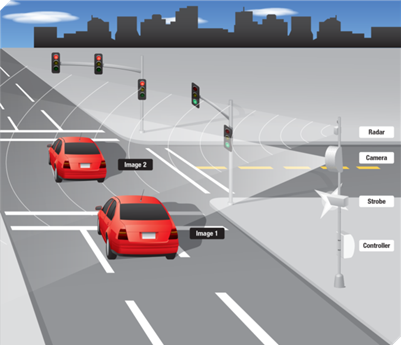
Red light cameras are automated systems that monitor intersections for vehicles running red lights. When a vehicle crosses the stop line after the light turns red, sensors trigger the camera. The flash is used to capture clear images, even in low light.
Most red light cameras use sensors embedded in the road surface. These sensors detect the position and movement of vehicles. If a car enters the intersection after the signal turns red, the camera takes photos and sometimes videos.
Typical Flash Timing
You will see the camera flash when:
- A vehicle crosses the stop line while the light is already red.
- Sometimes, if a vehicle is very close to the intersection as the light turns red.
- The camera needs to capture images for evidence.
Flashes can happen both day and night, though they are more noticeable in darkness.
What Triggers The Flash?
Not every movement triggers a flash. The system is precise and only activates under certain conditions.
| Scenario | Camera Flash? |
|---|---|
| Car crosses after red | Yes |
| Car stops before line | No |
| Car moves during yellow | No |
| Emergency vehicle passes | Yes (but usually reviewed) |
Sometimes, the camera flashes even when no violation happens. This can occur if the system needs to test itself or if a large vehicle triggers the sensor by accident.
Credit: www.citywindsor.ca
Are All Flashes Violations?
Seeing a flash does not always mean you will get a ticket. The camera captures several images, and a human reviewer checks them for actual violations. If there is doubt, the ticket is not sent.
| Flash Event | Ticket Issued? |
|---|---|
| Clear violation | Yes |
| Ambiguous situation | Often No |
| Emergency vehicle | No |
| Camera test | No |
Real-world Examples And Data
In cities like Chicago, red light cameras have reduced accidents by up to 20% (according to the Insurance Institute for Highway Safety). However, some drivers complain about flashes when they did not violate the rules. Usually, these cases are reviewed and dismissed.
Non-obvious insight: Some cameras flash even when the light is yellow, but these images are not used for enforcement. Another detail: not all intersections with cameras have active enforcement; some are just deterrents.
For more details, you can visit the Insurance Institute for Highway Safety.

Credit: www.reddit.com
Frequently Asked Questions
What Causes A Red Light Camera To Flash?
Crossing the stop line after the light turns red is the main cause. Sometimes, large vehicles or emergency cars can trigger it.
Can The Camera Flash When The Light Is Yellow?
Yes, but photos taken during yellow are not used for tickets.
Will Every Flash Result In A Ticket?
No. Human reviewers check images for real violations. Many flashes do not lead to fines.
Do All Intersections Have Working Cameras?
No. Some intersections have dummy cameras or inactive systems.
Are Red Light Cameras Legal Everywhere?
Red light cameras are legal in many states, but laws vary. Always check your local regulations.
Being aware of how red light cameras work and when they flash can help you drive more confidently and avoid surprises at intersections.