Choosing the right helmet mount for your skiing camera can make all the difference between capturing smooth, exciting footage and dealing with shaky, unusable videos. With so many options available, finding the best mount depends on your skiing style, helmet type, and the camera you use.
Let’s break down the essential factors and help you make a confident choice.
Table of Contents
Types Of Helmet Mounts For Skiing Cameras
Understanding the main types of mounts helps you match your needs to the right product. Here are the most common options:
- Front Mounts: Attach to the front of the helmet. Ideal for point-of-view shots but can add extra weight to the front.
- Top Mounts: Go on the crown of the helmet. These provide a balanced view and are less likely to snag on branches.
- Side Mounts: Fixed to either side. Great for capturing your face or profile but may cause uneven weight distribution.
- Chin Mounts: Placed on the chin area. They offer a low-angle perspective and are popular for action shots.
| Mount Type | View Angle | Weight Balance |
|---|---|---|
| Front | POV (straight ahead) | Front-heavy |
| Top | Centered | Balanced |
| Side | Profile/Face | Uneven |
| Chin | Low angle | Stable |
Key Factors When Selecting A Helmet Mount
Several features directly impact your skiing experience and camera footage quality. Keep these in mind:
- Compatibility: Ensure the mount fits both your helmet and camera. Not all mounts work with every model.
- Durability: Look for high-quality materials like ABS plastic or stainless steel. These last longer and handle cold weather.
- Attachment Method: Some mounts use adhesive pads, others have straps or clips. Adhesive is strong but not always reusable.
- Adjustability: Choose a mount with swivel or tilt features. Adjusting the angle helps you capture exactly what you want.
| Mount | Attachment | Material | Adjustable? |
|---|---|---|---|
| GoPro Top Mount | Adhesive | ABS Plastic | Yes |
| Side Clip Mount | Clip | Metal/Plastic | Yes |
| Chin Strap Mount | Strap | Plastic | No |
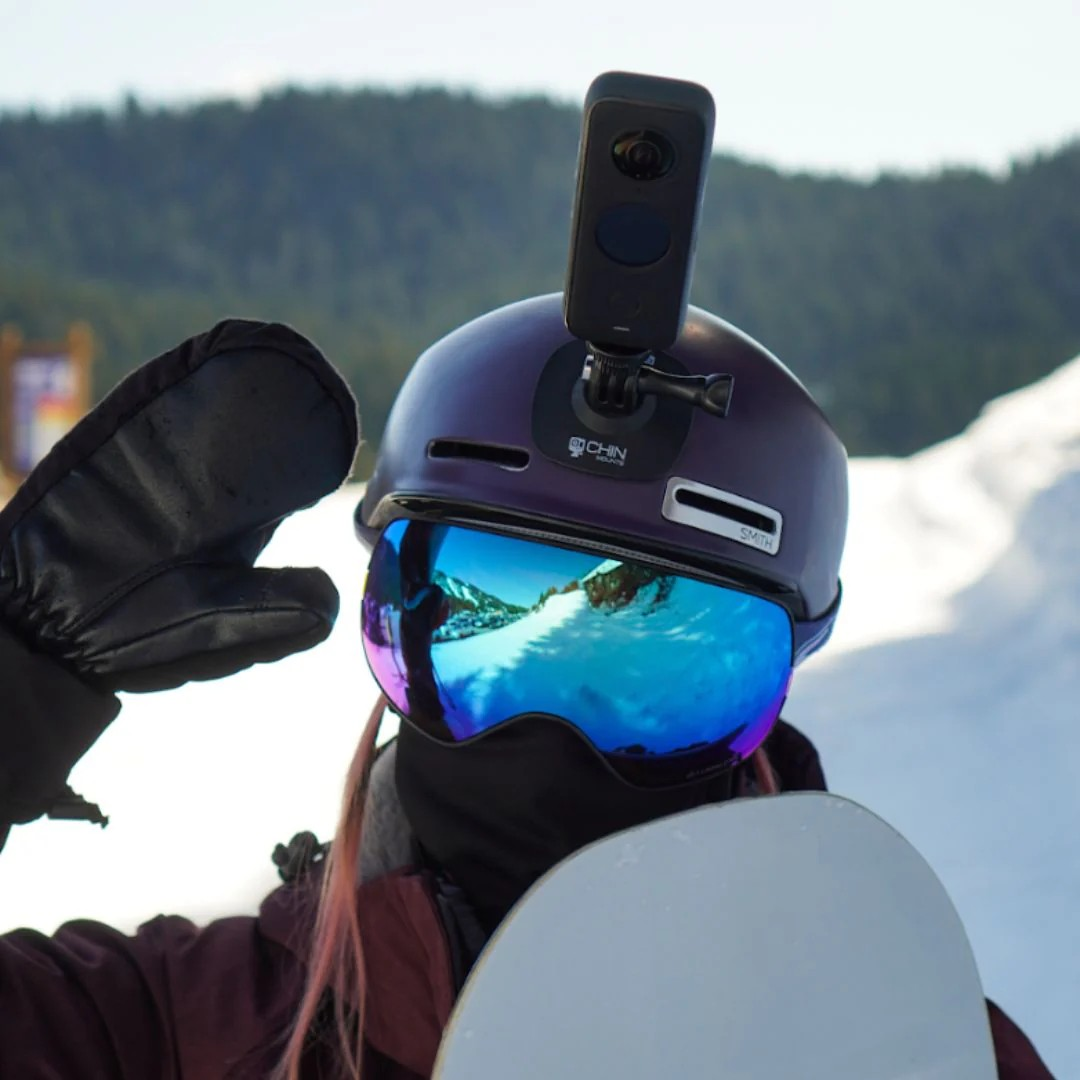
Credit: chinmounts.com
Practical Tips For Skiers
- Test before hitting the slopes: Always try the mount at home to ensure it’s secure and comfortable.
- Check for helmet certification: Using a mount may affect helmet safety. Choose helmets tested with mounts attached.
- Balance matters: A poorly balanced camera can distract you or cause neck strain.
One non-obvious insight: Temperature affects adhesives. Cold weather can weaken glue, so double-check adhesive mounts before skiing. Another tip: Helmet shape varies. Some mounts work better with rounded helmets, others fit angular designs.
If you want more technical details, check Wikipedia’s helmet camera page for deeper information.
Frequently Asked Questions
What Is The Safest Helmet Mount For Skiing?
The top mount is usually safest, as it keeps weight centered and avoids snagging.
Can I Use Any Camera With Any Helmet Mount?
No, check for compatibility. Some mounts only fit specific camera brands or helmet shapes.
How Do I Prevent My Camera From Falling Off?
Use extra straps or tether cords, and check the mount regularly during the day.
Does Mounting A Camera Affect Helmet Safety?
Yes, some mounts may reduce helmet protection. Use certified helmets and mounts tested together.
Which Mount Gives The Best Point-of-view Shots?
The front mount or chin mount provides the most immersive POV footage for skiing.
Choosing the right helmet mount means safer skiing and better footage. By focusing on compatibility, durability, and balance, you can enjoy your runs and capture every exciting moment with confidence.

Credit: www.rei.com