Photography often relies on good lighting, but natural light is not always enough. This is where off camera flash comes in. Many beginners first hear about it when their photos look flat or dull indoors or at night. Off camera flash is a tool that gives you more control, helping you create brighter, more dramatic, or more professional images.
Table of Contents
What Is Off Camera Flash?
Off camera flash means using a flash unit that is not attached to your camera. Instead, you place the flash somewhere else, like on a tripod or held by an assistant. This lets you direct the light from a different angle, instead of just from the camera itself.
The flash is triggered remotely, often by a wireless transmitter or cable.
Benefits Of Off Camera Flash
Professional photographers use off camera flash to create depth and dimension. Here are some clear advantages:
- Better control: You can place the light where you want, shaping shadows and highlights.
- Improved portraits: Faces look more natural when light comes from the side or above, not straight on.
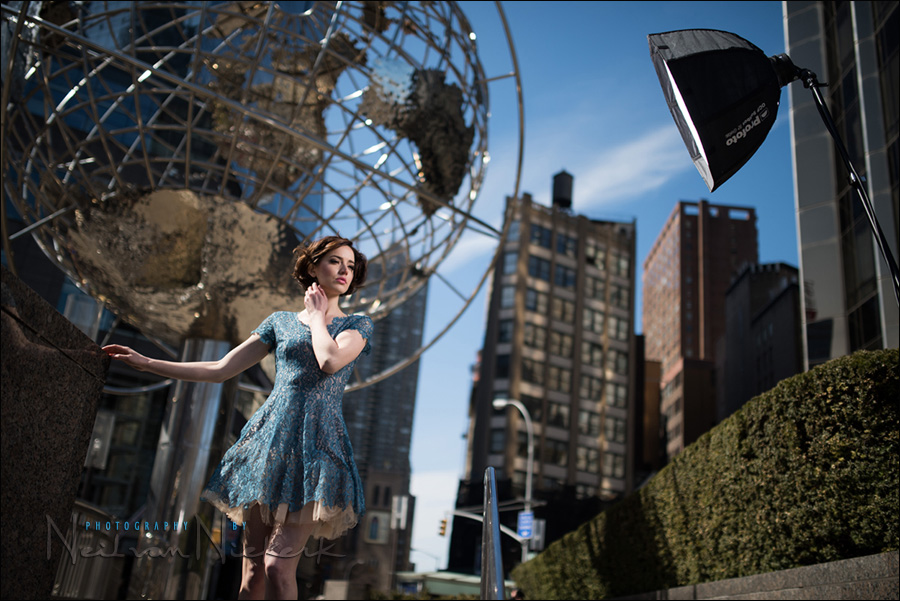
- Creative effects: It helps freeze motion or add dramatic lighting, especially outdoors.
- Avoid harsh shadows: On-camera flash often causes strong, unnatural shadows behind the subject. Off camera flash reduces this.

Credit: www.youtube.com
Off Camera Flash Vs On-camera Flash
Compare how the two types of flash affect your photos:
| Feature | On-Camera Flash | Off Camera Flash |
|---|---|---|
| Light Direction | Fixed, front-facing | Flexible, any angle |
| Shadow Quality | Flat, harsh | Soft, natural |
| Control | Limited | Advanced |
How Does It Work?
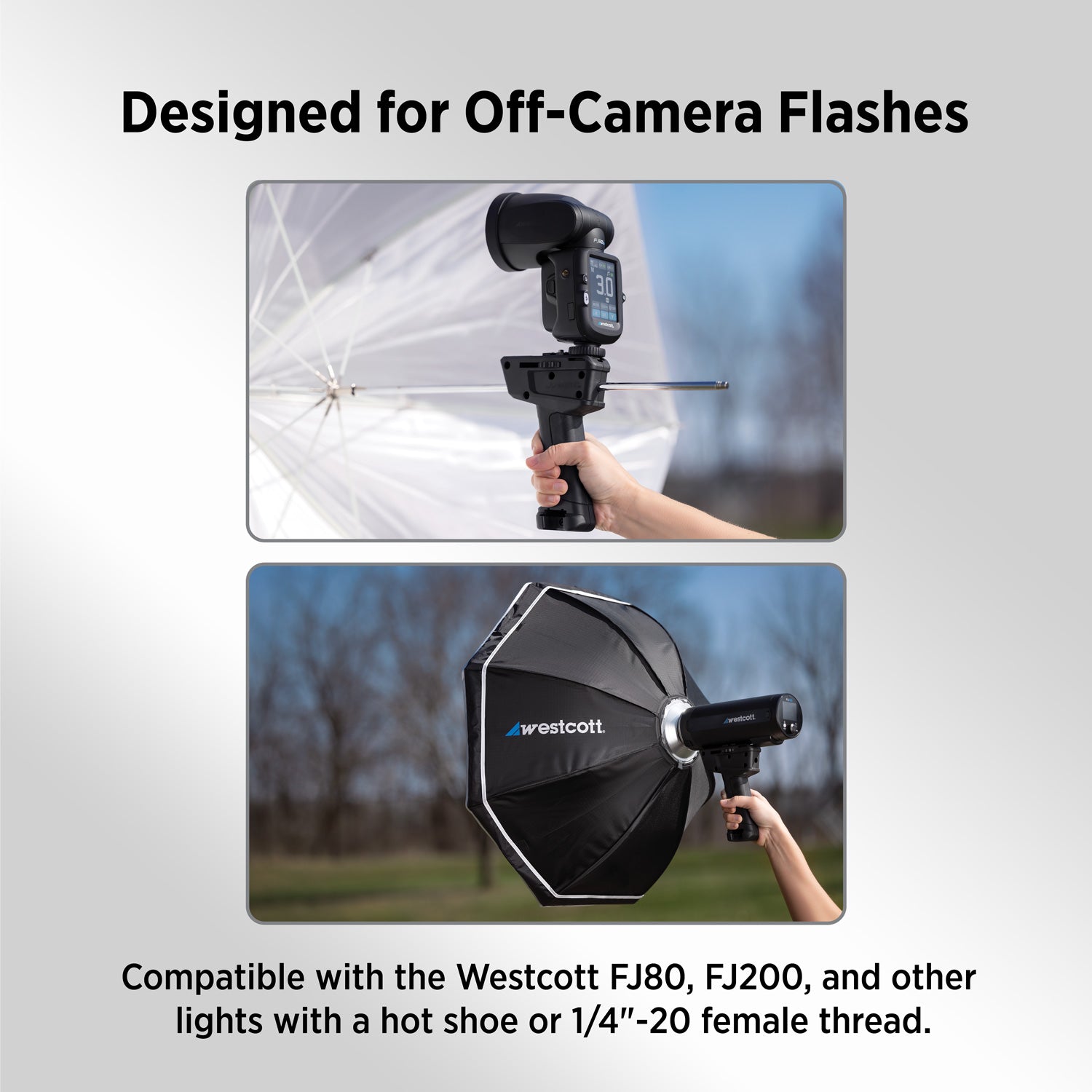
To use off camera flash, you need:
- A flash unit (speedlight or studio flash)
- A trigger (wireless transmitter or sync cable)
- A stand or surface to place the flash
You set the flash power, position, and angle. The trigger fires the flash when you press your camera’s shutter. Many photographers start with simple wireless triggers, which are affordable and easy to use.
Here’s a quick setup comparison:
| Setup Type | Ease of Use | Flexibility |
|---|---|---|
| On-Camera | Very easy | Low |
| Off Camera | Medium | High |
Credit: www.fjwestcott.com
Practical Tips
- Place your flash at a 45-degree angle to your subject for natural results.
- Start with low power and adjust as needed.
- Use a softbox or umbrella for softer light.
- Practice with different distances and heights.
Many beginners miss that a flash placed too far or too high can create unwanted shadows. Also, mixing off camera flash with ambient light can produce balanced, professional-looking images.
Frequently Asked Questions
What Equipment Do I Need For Off Camera Flash?
You need a flash unit, a remote trigger, and a stand or holder.
Is Off Camera Flash Hard To Learn?
It takes practice, but starting with basic setups is simple. Many online tutorials can help.
Can I Use Off Camera Flash Outdoors?
Yes, it works well outside, especially in bright sunlight or at night.
How Does It Improve Portrait Photography?
It lets you control light direction, making faces look more three-dimensional and natural.
Where Can I Learn More About Lighting?
The Wikipedia page on photographic flash gives more detailed information.
Mastering off camera flash opens new creative possibilities. With a bit of practice and the right gear, your photos will stand out with professional lighting and vibrant detail.
Credit: neilvn.com