Tripod sitting is a common posture seen in infants and young children as they learn to sit independently. This position is important for physical development, balance, and motor skills. But what exactly is tripod sitting, and why does it matter?
Let’s explore how it works, its benefits, and how it compares to other sitting positions.
Table of Contents
What Is Tripod Sitting?
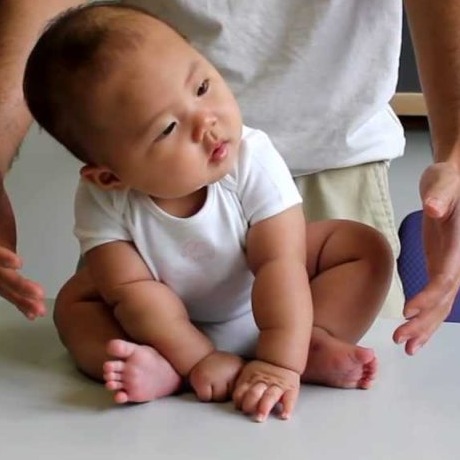
Tripod sitting happens when a child sits with their legs bent in front and uses one or both arms placed on the floor for support. The arms act as a “third leg,” forming a stable triangle. This position usually appears between 4 to 6 months of age, as babies build core strength and balance.
In tripod sitting, children rely on their hands to prevent falling forward or sideways. This is a transitional stage between supported sitting and sitting without any help. Most children move past tripod sitting as their muscles strengthen.
Why Is Tripod Sitting Important?
Tripod sitting is more than just a milestone. It helps children:
- Develop balance: The extra support from the arms allows babies to practice keeping their bodies upright.
- Build strength: Muscles in the neck, shoulders, back, and abdomen work together to hold this position.
- Improve motor skills: Babies can reach for toys or objects, encouraging hand-eye coordination.
Studies show that early sitting skills relate to future movement, like crawling and walking. For example, research from the American Academy of Pediatrics found that babies who sit independently by 6 months may walk earlier.

Credit: blog.lovevery.com
Tripod Sitting Vs. Other Sitting Positions
To better understand tripod sitting, compare it to other sitting positions in young children:
| Sitting Position | Age Range | Main Features |
|---|---|---|
| Tripod Sitting | 4–6 months | Hands on floor for support |
| Supported Sitting | 2–4 months | Held upright by caregiver |
| Independent Sitting | 6–8 months | No arm support needed |
Tripod sitting bridges the gap between needing help and sitting alone. It’s a safe way for babies to practice staying upright.
Signs Of Healthy Tripod Sitting
Parents and caregivers should look for:
- Stable trunk: Baby holds their body upright for several seconds.
- Hands placed flat: Both hands touch the ground evenly.
- No slumping: Back stays straight, not curved forward.
Some babies may use only one hand for support. This is normal and shows growing confidence.
Credit: commaful.com
Practical Tips For Encouraging Tripod Sitting
- Place toys just out of reach to motivate babies to stretch and support themselves.
- Use a firm, flat surface to help stability.
- Give gentle encouragement, but avoid forcing the position.
Never leave a baby alone while tripod sitting, as they might lose balance.
Comparing Sitting Positions For Development
Let’s see how tripod sitting stacks up against other early positions:
| Position | Balance Needed | Muscle Strength Needed |
|---|---|---|
| Supported Sitting | Low | Low |
| Tripod Sitting | Moderate | Moderate |
| Independent Sitting | High | High |
Tripod sitting is a natural step, not a final goal. Children progress at their own pace.

Credit: community.whattoexpect.com
Frequently Asked Questions
What Age Does Tripod Sitting Usually Start?
Most babies show tripod sitting at 4 to 6 months old.
Is Tripod Sitting Normal For All Babies?
Yes, it’s a common stage. But some babies may skip it and move straight to independent sitting.
Does Tripod Sitting Help With Crawling?
Tripod sitting strengthens muscles and balance, which are important for crawling later.
Should I Worry If My Baby Isn’t Tripod Sitting?
If your baby isn’t sitting by 8 months, talk to your doctor. Development can vary.
Can Tripod Sitting Harm My Child’s Posture?
No, tripod sitting is safe. It helps build strength and balance. For more information, visit Wikipedia.
Tripod sitting is a key part of early development, helping babies gain confidence and balance. By understanding this position, parents can better support healthy growth and movement skills.