A camera bag may seem simple, but it comes in many shapes and designs. For photographers, a camera bag is more than just storage; it’s a tool for protecting and carrying expensive gear. If you are new to photography, understanding what a camera bag looks like can help you choose the right one for your needs and avoid costly mistakes.
Let’s break down the typical features, forms, and differences, so you know exactly what to expect.
Table of Contents
Typical Camera Bag Appearance
Camera bags come in various styles, but most share a few key visual features:
- Padded sides and dividers: These protect delicate lenses and cameras.
- Multiple compartments: Bags usually have separate sections for different equipment.
- Strong zippers and closures: Security is important to prevent items from falling out.
- Comfortable straps: Often padded, for carrying heavy gear.
From the outside, most camera bags look sturdy and a bit boxy. They tend to be made from durable, water-resistant materials like nylon or canvas, which help keep the inside dry. Many bags are black or dark gray for a professional look, but you can find them in other colors too.
Popular Camera Bag Types
Photographers choose their bags based on shooting style and equipment. Here are three common types:
| Type | Main Features | Common Use |
|---|---|---|
| Backpack | Two shoulder straps, large capacity | Travel, hiking, long shoots |
| Sling Bag | One crossbody strap, quick access | Street, event photography |
| Shoulder Bag | Classic shape, easy to open | Studio, casual use |
Each type has a different look, but all focus on organization and protection.
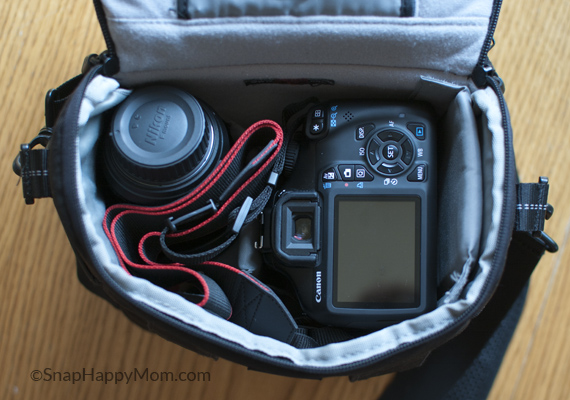
Credit: snaphappymom.com
Inside A Camera Bag
The inside of a camera bag is just as important as the outside. Here’s what you’ll often find:
- Removable foam dividers to fit your gear
- Mesh pockets for batteries and memory cards
- Hidden zip pockets for valuables
A surprising feature many beginners miss: the ability to reconfigure the interior space. You can move the dividers to fit a big lens or extra body. Some bags even have a special compartment for laptops or tablets.
Comparing Camera Bag Sizes
Camera bags vary in size to suit different needs. Here’s a quick comparison:
| Bag Size | Capacity | Example Use |
|---|---|---|
| Small | 1 camera, 1 lens | Day trips |
| Medium | 1-2 cameras, 2-3 lenses | Weddings, events |
| Large | Multiple bodies, 4+ lenses, laptop | Travel, professional work |
Many new photographers buy a bag that’s too small, not leaving room for future gear. Always consider what you might add later.

Credit: www.kickstarter.com
Extra Features To Look For
Some camera bags have unique features:
- Tripod holders for easy transport
- Rain covers for extra protection
- Quick-access side doors to grab your camera fast
A good camera bag also keeps you organized. It can save you time and stress during busy shoots. For more in-depth info on camera bags, check out this guide by Wirecutter.
A camera bag is not just a box for your gear; it’s a well-designed organizer and protector. By understanding what a camera bag looks like and the options available, you’ll make smarter choices and enjoy your photography adventures more.
Frequently Asked Questions
What Is The Best Material For A Camera Bag?
Nylon and canvas are popular for their durability and water resistance.
Can I Use A Regular Backpack For My Camera?
Regular backpacks lack padded dividers and may not protect your gear well.
How Do I Know What Size Camera Bag To Buy?
Think about your current gear and what you may buy in the future.
Are Camera Bags Waterproof?
Most are water-resistant, but few are fully waterproof unless they have a rain cover.
Can I Fit A Laptop In A Camera Bag?
Many larger camera bags have a padded laptop compartment for editing on the go.

Credit: www.youtube.com