Changing filters is a simple habit that protects your health, saves money, and keeps your devices running well. But knowing how often filters should be changed can be confusing. Every type of filter has its own schedule, and missing a replacement can cause problems you may not notice right away. Let’s break down the key facts and help you set a smart routine.
Table of Contents
Main Types Of Filters And Their Lifespans
Filters are everywhere—air conditioners, furnaces, water pitchers, and even your car. Each type has a different replacement timeline.
| Filter Type | Usual Change Frequency |
|---|---|
| Home HVAC (Air) | Every 1-3 months |
| Water Pitcher | Every 2 months or 40 gallons |
| Refrigerator Water | Every 6 months |
| Car Engine Air | Every 12,000-15,000 miles |
| Vacuum Cleaner | Every 3-6 months |
These are only general rules. Always check your owner’s manual for your exact model.
Why Timely Filter Changes Matter
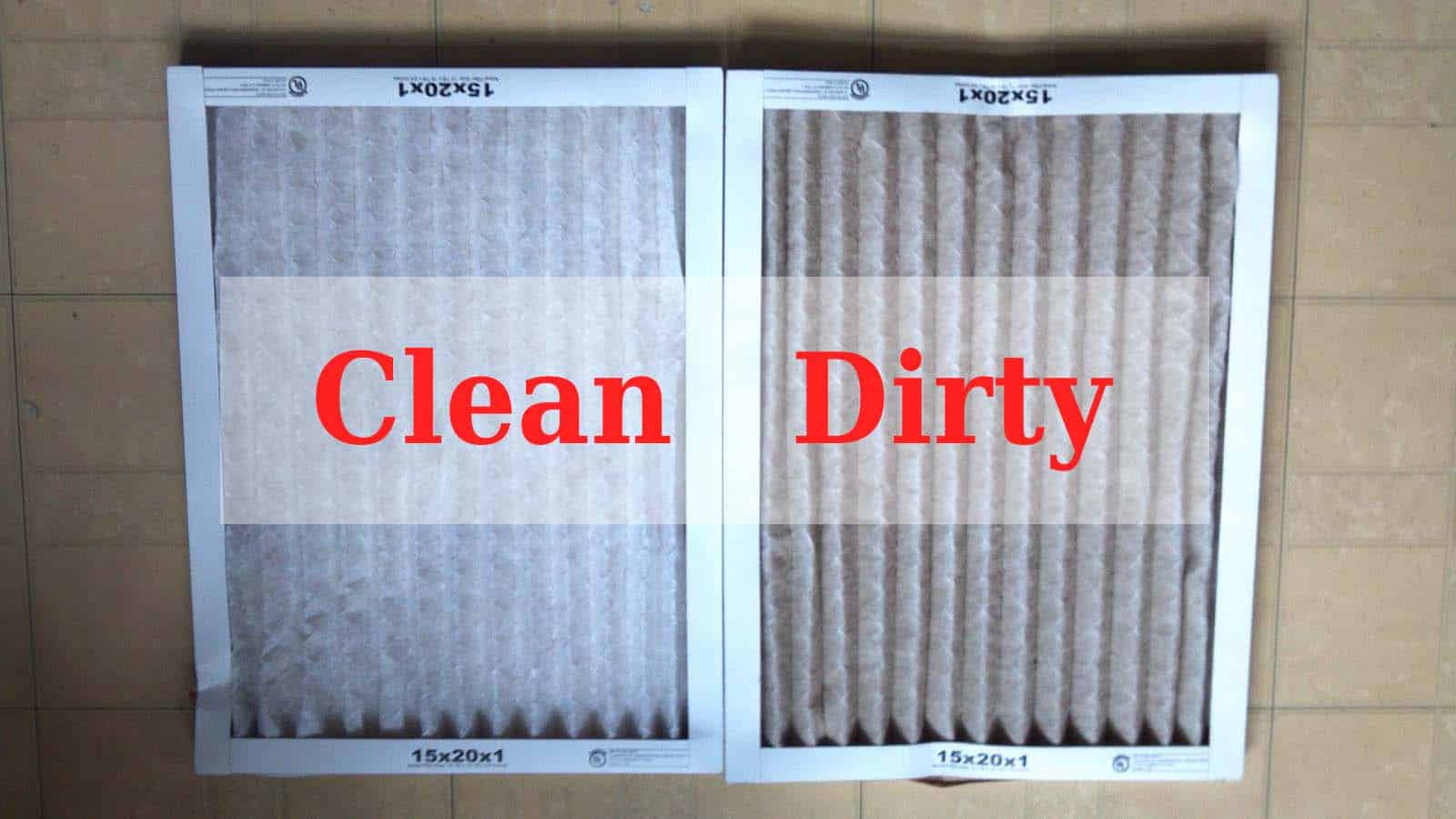
Dirty filters can cause higher energy bills, poor air or water quality, and even damage equipment. For example, a clogged HVAC filter makes your unit work harder, raising your electricity use by up to 15%. In cars, a blocked air filter can cut fuel efficiency.
Another overlooked risk: old water filters may actually release trapped bacteria and contaminants back into your water. That’s why following the timeline is so important.
Credit: alltimeairconditioning.com
Signs Your Filter Needs Changing
Sometimes, you need to change a filter sooner than the manual says. Watch for:
- Unusual smells from air or water
- Allergy symptoms increasing indoors
- Dust buildup on surfaces
- Reduced airflow from vents or vacuums
- Strange noises from machines
If you see any of these, it’s smart to change the filter right away.
| Sign | Possible Problem |
|---|---|
| Musty odor | Mold in filter |
| Low pressure | Clogged water filter |
| Visible dust | Old air filter |
Non-obvious Tips For Filter Replacement
- Set reminders on your phone or calendar, since it’s easy to forget.
- Buy filters in bulk for savings and so you always have one ready.
- If you have pets or allergies, change air filters more often than the standard advice.
- Label the filter with the date you installed it, so you don’t have to guess.
- Use high-quality filters from trusted brands; cheap ones may not trap fine particles.
Many people don’t realize that using the wrong filter, or skipping changes, can sometimes void a warranty. Always check your manufacturer’s guidelines.
Staying on top of filter changes isn’t just about comfort—it’s about health, efficiency, and avoiding costly repairs. For more guidance, the US Department of Energy offers helpful maintenance tips.

Credit: www.livpuresmart.com
Frequently Asked Questions
How Do I Know What Size Filter I Need?
Check the existing filter’s label or your device’s manual. Most filters have size printed on the side.
Can I Clean A Disposable Filter Instead Of Replacing It?
No. Disposable filters are designed for single use. Cleaning them can damage the filter and reduce performance.
What Happens If I Don’t Change My Filter On Time?
You may see higher bills, worse air or water quality, and possible damage to equipment.
Are Expensive Filters Better Than Cheap Ones?
Usually, higher-quality filters trap more particles and last longer, but always check reviews and ratings.
Do All Filters Have The Same Replacement Schedule?
No. Each device and filter type has its own recommended timeline. Always follow your manufacturer’s advice.