Many photographers wonder if they can stack multiple lens filters on their camera. Maybe you want to use a UV filter for protection, a polarizer for reducing reflections, and an ND filter for longer exposures—all at once. But how many filters can you actually stack before quality drops? This question is more important than it seems, especially for getting sharp, clear photos.
Table of Contents
How Lens Filter Stacking Works
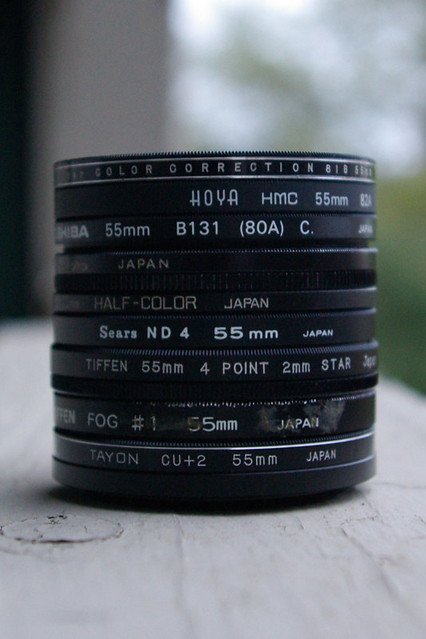
Stacking filters means screwing two or more filters onto the front of your lens. Most filters have threads on both sides so you can attach another one. For example, you might stack a circular polarizer on top of a UV filter. Some photographers even stack three or four filters together for special effects.
Pros And Cons Of Stacking Multiple Filters
Stacking can help you achieve creative effects, but there are trade-offs.
Benefits:
- Combine the effects of different filters (like polarizer + ND).
- Quick way to change setups without removing filters.
Drawbacks:
- Image quality loss: Every layer of glass can reduce sharpness and add reflections.
- Vignetting: Dark corners may appear, especially with wide-angle lenses.
- Increased flare: More glass surfaces can cause unwanted light spots.
Here’s a quick comparison:
| Number of Filters | Image Quality | Vignetting Risk |
|---|---|---|
| 1 | Excellent | Low |
| 2 | Very Good | Medium |
| 3 or more | Noticeable Loss | High |

Credit: www.youtube.com
How Many Filters Can You Stack Safely?
For most cameras, two filters is the safe maximum. This keeps image quality high and vignetting low. Stacking three or more is possible, but only in special cases:
- Use thin filters to reduce vignetting.
- Avoid stacking on wide-angle lenses (under 35mm focal length).
- Test for flare and ghosting before shooting important photos.
Here’s an example of filter stacking with different lens types:
| Lens Type | Max Safe Filters | Notes |
|---|---|---|
| Standard (50mm) | 2 | Minimal vignetting |
| Wide-angle (24mm) | 1 | High vignetting risk |
| Telephoto (100mm+) | 2-3 | Less vignetting |
Non-obvious Insights
Most beginners miss that each filter adds tiny alignment errors between the lens and subject. Even high-quality filters can cause slight focus shifts when stacked. Also, cheap filters usually have worse coatings, so stacking them increases the risk of unwanted color shifts and flare.
Professional landscape photographers often use a filter holder system (like square filters) to avoid stacking round filters and reduce optical issues.
Credit: photo.stackexchange.com
Final Thoughts
Stacking lens filters can help you get creative shots, but more isn’t always better. Stick to one or two filters for best results. Test your setup before important shoots to avoid surprises. If you need more than two effects, consider modern solutions like filter holders, or combine effects in post-processing.
For more on filter physics and optical impact, check the Wikipedia page on photographic filters.
Frequently Asked Questions
How Many Filters Can I Stack Without Image Loss?
Usually, two filters is safe. Adding more often reduces sharpness and increases vignetting.
Will Stacking Filters Damage My Lens?
Stacking does not hurt your lens, but too many heavy filters can stress the filter threads.
Can I Stack Filters On A Wide-angle Lens?
It’s not recommended. Even two filters can cause dark corners on wide-angle lenses.
What’s The Best Order To Stack Filters?
Put the filter you adjust most (like a polarizer) on top, so you can turn it easily.
Are Expensive Filters Better For Stacking?
Yes. High-quality filters have better coatings and glass, so they reduce flare and color problems when stacked.
Credit: magazine.urth.co