A camera stabilizer and a chicken may seem worlds apart, but both have a surprising connection: natural stability. Videographers seek smooth footage, while scientists admire the chicken’s head for its steady movement. Understanding both can help content creators and tech enthusiasts see how nature and technology often solve the same problems in different ways.
Table of Contents
What Is A Camera Stabilizer?
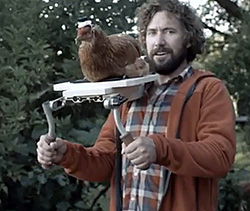
A camera stabilizer is a tool that keeps a camera steady during movement. It helps prevent shaky videos, making shots look smooth and professional. Stabilizers come in various types:
- Mechanical gimbals: Use counterweights and pivots.
- Electronic gimbals: Use motors and sensors for balance.
- Handheld rigs: Rely on human strength and design.
Camera stabilizers are essential in filmmaking, sports, and even smartphone videography. For example, the DJI Ronin-S, a popular electronic gimbal, can reduce visible shake by up to 80% compared to handheld shooting.
The Amazing Stability Of A Chicken
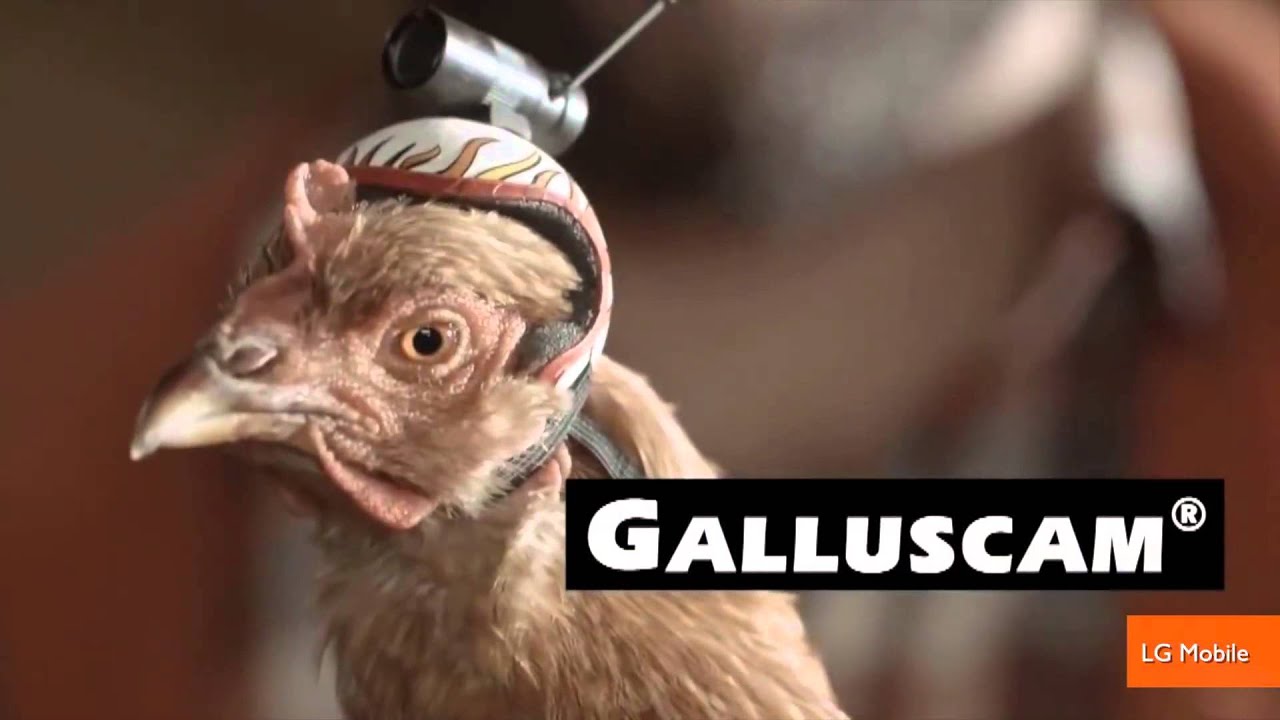
You might have seen a chicken’s head staying perfectly still while its body moves. This is not magic—it’s biology. Chickens use a reflex called the vestibulo-ocular reflex. This keeps their head steady so they can see clearly, even when their body bounces around.
A famous experiment shows that a chicken’s head can remain stable even if its body moves up and down by several inches. This skill helps chickens spot predators and find food.
Credit: www.youtube.com
Camera Stabilizer Vs Chicken: How Do They Compare?
It’s fascinating to look at how both achieve stability. Here’s a quick comparison:
| Feature | Camera Stabilizer | Chicken |
|---|---|---|
| Stabilization Method | Mechanical/electronic | Biological reflex |
| Purpose | Smooth video | Clear vision |
| Power Source | Battery/manual | Muscle/brain |
| Response Speed | Milliseconds | Milliseconds |
One non-obvious insight: camera stabilizers are inspired by the same principles as a chicken’s head stabilization. The goal in both is to isolate the sensor (camera or eyes) from unwanted movement.
Real-world Examples And Surprising Facts
Chickens have inspired engineers. For example, Mercedes-Benz used the “chicken head test” in an ad to explain its Magic Body Control suspension system.
When comparing gimbals to chickens, another interesting fact is that chicken head stabilization is so precise, it’s sometimes used as a live demo in science classes to explain gyroscopic motion.
Here’s a side-by-side look at what each can handle:
| Scenario | Camera Stabilizer | Chicken |
|---|---|---|
| Walking Up Stairs | Smooth footage | Head barely moves |
| Sudden Bumps | Compensates instantly | Head stays level |
| Battery Dies/Chicken is tired | Becomes shaky | Head wobbles |

Credit: www.videomaker.com
Which Is Better For Filmmaking?
Clearly, camera stabilizers are designed for professional use and can handle more weight and various shooting angles. But the natural solution in chickens is a reminder that nature often solves problems with elegant simplicity.
If you want to see the science in action, the Wikipedia page on head stabilization offers more detail.
Both tools—one natural, one man-made—show us that stability is key, whether you’re filming a movie or searching for food.
Frequently Asked Questions
How Does A Chicken Keep Its Head So Steady?
A chicken uses a reflex in its inner ear and brain to keep its head stable, even if its body moves.
Can Camera Stabilizers Mimic A Chicken’s Head Movement?
Yes, many stabilizers use similar balancing principles to isolate movement and keep footage smooth.
Are There Any Cameras That Use “chicken-like” Stabilization?
Some advanced cameras use gyroscopes and smart sensors, similar to the chicken’s natural system.
Why Do Filmmakers Use Stabilizers Instead Of Editing Out Shakes?
Editing can’t fix all shakes. Stabilizers prevent most problems at the source, saving time and improving quality.
Can I Build A Simple Stabilizer At Home?
Yes, DIY stabilizers use weights and pivots—basic versions of what professionals use. Online tutorials can help you get started.
Credit: www.imaging-resource.com