Many photographers hear about UV filters but aren’t sure if they really need one. These thin, clear glass filters screw onto the front of your camera lens. Years ago, they protected film from ultraviolet light. Today, they’re mostly used for other reasons. Let’s see what UV filters do, why some photographers swear by them, and whether you should add one to your gear.
Table of Contents
How Uv Filters Work
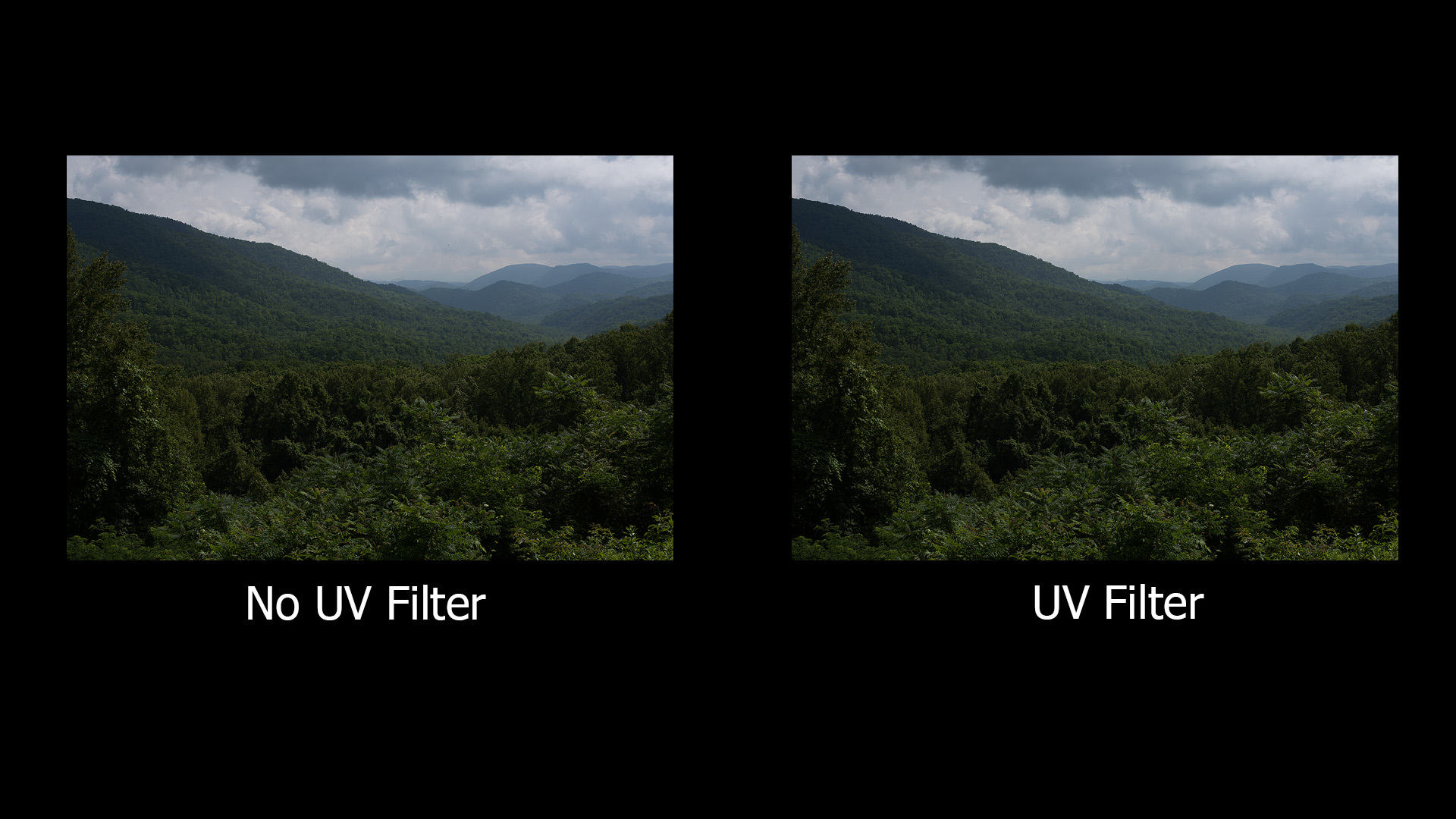
UV filters block ultraviolet light. This light can cause hazy or bluish images, especially when shooting outdoors. On digital cameras, sensors are less sensitive to UV than film, so the effect is usually minor. Still, some lenses may show a slight improvement in contrast and clarity when using a UV filter. For most modern cameras, the main benefit comes from something else: protection.
Lens Protection: The Main Benefit
Many photographers use UV filters to keep their lens safe. Dust, dirt, fingerprints, and even scratches can harm your lens. A UV filter acts as a barrier. If the filter gets scratched, it’s cheaper and easier to replace than the lens itself. This is especially useful in harsh environments like sandy beaches or mountain trails.
Here’s a quick comparison of lens protection methods:
| Protection Method | Cost | Effect on Image | Ease of Use |
|---|---|---|---|
| UV Filter | Low | Minimal | Easy |
| Lens Hood | Low | None | Easy |
| No Protection | None | None | Easy |
Credit: www.infinibandta.org
Image Quality: Pros And Cons
Some photographers worry that UV filters might lower image quality. Cheap filters can add flare, reflections, or decrease sharpness. High-quality filters, though, are almost invisible in your photos.
Here’s a comparison of filter quality:
| Filter Type | Price | Effect on Image |
|---|---|---|
| Low-end UV Filter | $10–$30 | Possible glare, slight blur |
| High-end UV Filter | $50–$150 | Almost no effect |
Non-obvious insight: Even a top filter needs cleaning; fingerprints can lower sharpness. Another tip: stacking filters (using more than one at a time) increases risk of flare.
When Should You Use A Uv Filter?
Consider a UV filter if:
- You often shoot outdoors or in rough conditions.
- You want a cheap way to protect expensive lenses.
- You use film cameras (UV light can affect film more).
If you shoot indoors or always use a lens hood, you might skip the filter.

Credit: www.youtube.com
Frequently Asked Questions
Do Uv Filters Affect Digital Photos?
For most digital cameras, UV filters have little impact. They mainly protect the lens.
Can I Stack Uv Filters With Other Filters?
Yes, but stacking filters increases flare and reflections. Try to use only one filter at a time.
How Do I Clean A Uv Filter?
Use a soft microfiber cloth and gentle lens cleaner. Avoid harsh chemicals.
Are Uv Filters Worth It For Expensive Lenses?
Yes, they’re a simple way to protect costly glass. Just buy a quality filter.
Is A Lens Hood Better Than A Uv Filter?
Both offer protection. A lens hood helps with glare and bumps, while a UV filter protects from scratches.
UV filters are simple, affordable, and effective for lens protection. While digital cameras don’t need them for UV blocking, they’re still useful for many photographers. If you want extra peace of mind, a high-quality UV filter is a smart investment. For more details on filter types and uses, see Wikipedia.