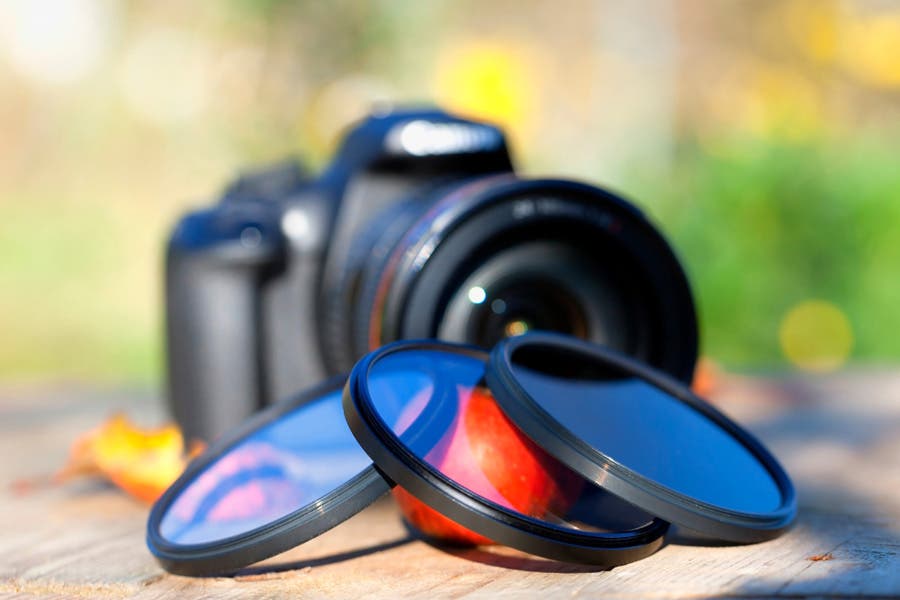
Capturing a great photo often needs more than a good camera. Many photographers use camera filters to improve their images or solve common problems. Filters can change colors, reduce glare, protect lenses, or add creative effects. Learning about the different types of camera filters helps you choose the right one for each situation.
Table of Contents
Common Types Of Camera Filters
Filters come in many styles, each with a special purpose. Here are the main types used by both beginners and professionals:
Uv Filters
UV filters block ultraviolet light and protect your camera lens. While most modern cameras handle UV light well, these filters are still popular because they protect against dust, scratches, and fingerprints. For example, a UV filter can save your lens if you drop your camera.
Polarizing Filters
Polarizers reduce reflections and boost color saturation. They are great for shooting water, glass, or landscapes. By turning the filter, you can control glare and make skies look deeper blue. Polarizers can cut glare by up to 70%, making them ideal for outdoor photography.
Neutral Density (nd) Filters
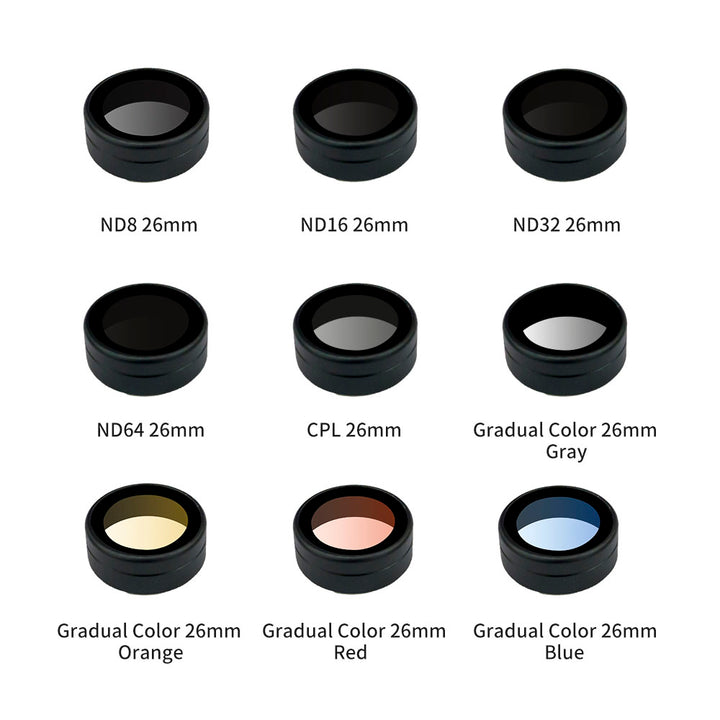
ND filters limit the light entering the lens. This helps when you want a slow shutter speed in bright daylight, such as when photographing waterfalls. ND filters come in different strengths, measured in stops. Using a 3-stop ND filter lets you use a shutter speed eight times slower than without a filter.
Color Filters
Color filters change the tone or mood of a photo. They are often used in black-and-white photography to create contrast. For example, a red filter makes skies look darker and clouds stand out. Digital editing can do this today, but physical color filters are still used for special effects.
Special Effects Filters
These filters create unique looks, such as starburst, soft focus, or infrared effects. Starburst filters turn bright lights into star shapes. Soft focus filters make portraits look dreamy by blurring details. Infrared filters let you capture light outside the visible range, creating unusual colors.
Camera Filter Comparison
To help you choose, here’s a quick comparison of popular filter types:
| Filter Type | Main Use | Strengths |
|---|---|---|
| UV | Protection | Lens safety |
| Polarizer | Outdoor scenes | Reduce glare, boost colors |
| ND | Long exposure | Control light |
| Color | Artistic effect | Change mood |
| Special Effects | Creative shots | Custom look |
Credit: www.adorama.com
Filter Materials
Filters are made from glass or plastic. Glass filters are clearer and more durable but cost more. Plastic filters are lighter and cheaper but can scratch easily.
| Material | Pros | Cons |
|---|---|---|
| Glass | High clarity, durable | Expensive, heavy |
| Plastic | Lightweight, affordable | Can scratch, lower quality |
Practical Tips For Using Filters
- Always check your filter size matches your lens.
- Clean filters often to avoid blurry images.
- Stack filters carefully; too many can cause vignetting (dark corners).
Credit: albertaenterprisegroup.com
Frequently Asked Questions
What Is The Main Purpose Of A Camera Filter?
A camera filter controls light, protects the lens, or adds creative effects.
Are Filters Needed For Digital Cameras?
Modern cameras handle many issues, but filters still help with glare, protection, and creativity.
How Do I Choose The Right Filter?
Think about your shooting conditions. For landscapes, use a polarizer; for long exposures, use ND.
Can I Use Multiple Filters At Once?
Yes, but too many filters can reduce image quality or cause vignetting.
Where Can I Learn More About Filter Types?
Visit Wikipedia for a deep guide to camera filters.
Camera filters are simple tools with big impact. Choosing the right filter can protect your lens, solve light problems, and open creative options. With a little practice, you’ll see the difference in your photos.