Blink cameras have become popular for home security thanks to their easy setup, wireless design, and long-lasting batteries. But knowing what batteries Blink cameras use is not always simple. Picking the right batteries makes a big difference in how long your camera works and how well it protects your home. Using the wrong type can cause short battery life, connection problems, or even damage your device. In this guide, you’ll learn exactly which batteries to use for every Blink camera model, how to make them last longer, and practical tips you won’t find in the manual.
Table of Contents
Battery Types For Different Blink Cameras
Not every Blink camera uses the same battery. Here’s a simple breakdown for each main model:
| Blink Camera Model | Battery Type | Number of Batteries |
|---|---|---|
| Blink Outdoor | AA Lithium | 2 |
| Blink Indoor (Gen 2) | AA Lithium | 2 |
| Blink XT/XT2 | AA Lithium | 2 |
| Blink Video Doorbell | AA Lithium | 2 |
| Blink Mini | Micro USB (no battery) | N/A |
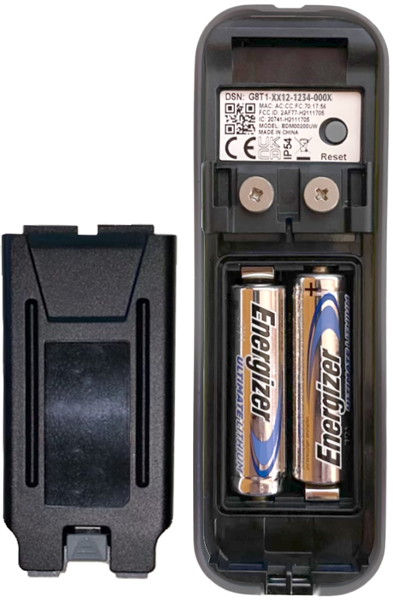
Most Blink cameras use two AA lithium batteries. The only exception is the Blink Mini, which does not use batteries at all; it connects to power using a micro USB cable.
Why Only Lithium Aa Batteries?
Blink does not recommend regular alkaline or rechargeable AA batteries. Here’s why lithium AA batteries are the best choice:
- Longer life: Lithium AA batteries can last up to 2 years in Blink cameras under normal use.
- Stable power: They handle extreme temperatures, from -4°F to 113°F, which is important for outdoor cameras.
- Consistent voltage: Devices like Blink cameras need steady power, which lithium batteries provide better than alkaline or NiMH rechargeable types.
Alkaline and NiMH batteries lose power faster and may not deliver enough voltage for stable video and motion detection. Using them often leads to frequent battery warnings or camera shutdowns.
Credit: support.blinkforhome.com
How Long Do Batteries Last In Blink Cameras?
Battery life depends on how you use your camera. Blink claims up to two years of battery life, but real-life results vary.
| Usage Scenario | Estimated Battery Life |
|---|---|
| Normal Use (up to 68 seconds/day recording) | Up to 2 years |
| High Activity (frequent motion alerts, live view) | 6-12 months |
| Cold Weather | 1-1.5 years |
If you check live video often or your camera records a lot of motion, batteries will drain faster. Also, cold temperatures can reduce battery life, but lithium batteries still perform better than others in the cold.
How To Replace Blink Camera Batteries
Changing batteries in a Blink camera is quick, but here are some tips to avoid mistakes:
- Remove the camera from its mount to access the back.
- Open the battery compartment (usually with a small latch or screw).
- Replace both batteries at the same time. Mixing old and new batteries can cause problems.
- Use only AA lithium batteries—the brand recommended is Energizer Ultimate Lithium.
- Close the compartment and remount your camera.
Common Mistakes To Avoid
- Never use alkaline or rechargeable AA batteries. They may work at first but often cause “low battery” errors.
- Don’t mix battery types. Both batteries should be the same brand and type for best results.
- Be careful with battery orientation. Inserting them the wrong way can damage the camera.
Extending Blink Camera Battery Life
You can make your batteries last longer with some smart settings:
- Reduce motion sensitivity if you get too many alerts.
- Shorten clip length for motion events.
- Limit use of live view and two-way audio, which use extra power.
- Keep firmware updated—Blink sometimes releases updates that improve battery performance.
A less obvious tip: Place cameras where they get a stable Wi-Fi signal. When the camera struggles to connect, it uses more energy.
Can You Use Rechargeable Batteries?
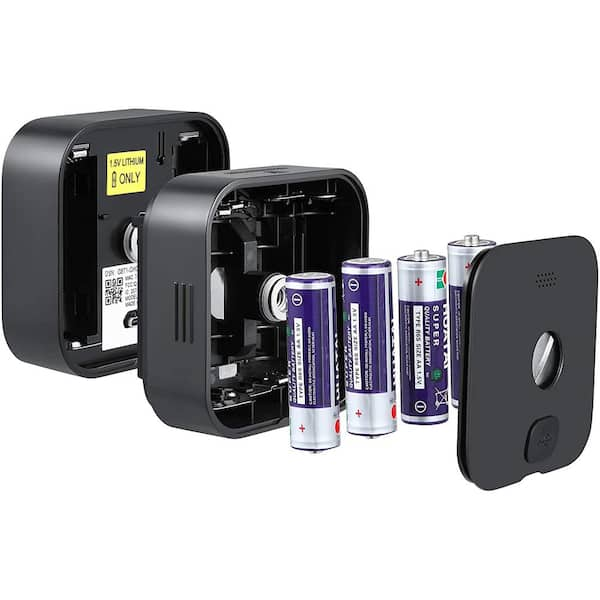
Many people wonder if rechargeable AA batteries are a good choice. The answer is no. Blink cameras need a higher voltage (1.5V), but most rechargeable AAs give only 1.2V. This difference causes the camera to show battery errors or shut down unexpectedly. Even if they fit physically, the power just isn’t enough for reliable use.
Some third-party lithium rechargeable batteries claim compatibility, but they’re not officially supported. Using them might void your warranty. Always check the user manual or the official Blink support site for the latest advice.
Credit: piranha.ch
What Happens If You Use The Wrong Batteries?
Putting in the wrong batteries is a common mistake. Here’s what might happen:
- Short battery life: You may need to change batteries every few weeks.
- Camera errors: Frequent “replace batteries” warnings will pop up.
- Device damage: In rare cases, using the wrong battery type can harm the camera’s electronics.
- Warranty issues: Using unsupported batteries can void your warranty if the camera fails.
Practical Insights Most Beginners Miss
- Store spare lithium AA batteries in a cool, dry place. Heat makes them lose charge over time.
- Always remove batteries if you plan not to use the camera for a long period. This prevents leakage and damage.
- Check for corrosion in the battery compartment before installing new batteries. Clean any white powder with a dry cloth.

Credit: support.blinkforhome.com
Frequently Asked Questions
What Batteries Do Blink Outdoor And Indoor Cameras Use?
Both Blink Outdoor and Indoor cameras use two AA lithium batteries. These should be non-rechargeable, such as Energizer Ultimate Lithium, for best results.
Can I Use Alkaline Or Rechargeable Batteries In Blink Cameras?
No, alkaline and rechargeable batteries are not recommended. They provide lower voltage and do not last as long, leading to frequent errors and shorter camera operation.
How Do I Know When My Blink Camera Batteries Need Replacing?
Your Blink app will show a low battery warning. You may also notice missed recordings, delays in live view, or the camera going offline. Replace both batteries at the same time with new lithium AAs.
Why Doesn’t Blink Mini Use Batteries?
The Blink Mini is a compact, wired indoor camera. It is designed to be plugged in using a micro USB cable, so it does not need batteries.
Are There Any Safety Concerns With Lithium Batteries?
Yes, lithium batteries should not be exposed to fire or extreme heat. Always store them safely and dispose of old batteries at proper recycling centers to avoid environmental harm.
Choosing the right batteries for your Blink camera keeps your security system running smoothly. Stick with high-quality AA lithium batteries, follow smart usage habits, and avoid shortcuts with cheaper battery types. With the right care, your Blink camera will protect your home reliably for years.