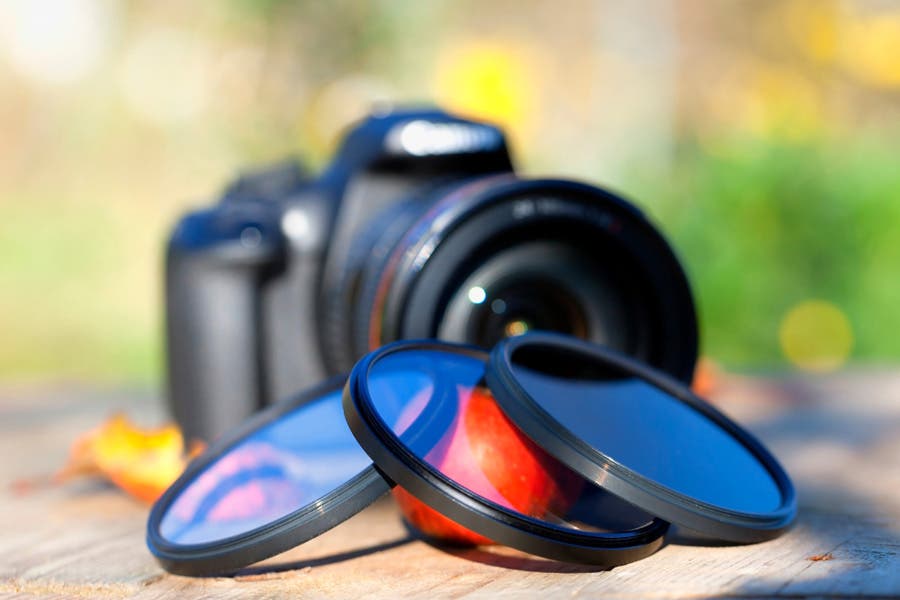
Photographers often talk about camera lens filters, but many beginners wonder why they matter. These small glass or plastic accessories attach to the front of your camera lens. While they might seem simple, lens filters can make a big difference in your photos. They help control light, protect your lens, and even change how your images look. Understanding their purpose can improve your photography skills, whether you shoot with a DSLR, mirrorless, or even a film camera.
Table of Contents
Key Purposes Of Camera Lens Filters
1. Protecting Your Lens
The most basic role of a filter is protection. Many photographers use a clear UV filter as a shield. It keeps dust, dirt, and scratches away from your lens’s glass. Replacing a damaged filter is much cheaper than fixing or buying a new lens. Even if you don’t need the filter’s effects, it can save your gear from accidents.
2. Controlling Light
Some filters help manage how much light enters the lens. For example, neutral density (ND) filters reduce the amount of light without changing colors. This is useful for long exposures in bright conditions, like making waterfalls look smooth. Polarizing filters cut down reflections and glare from water or glass, and they boost color contrast—especially in blue skies.
Here’s how ND and polarizing filters compare for light control:
| Filter Type | Main Function | Best Use |
|---|---|---|
| ND Filter | Reduces light | Long exposures, bright sun |
| Polarizer | Reduces glare | Landscapes, water, sky |
3. Enhancing Colors And Effects
Some filters create special effects or improve color quality. Graduated ND filters, for example, are darker at the top and clear at the bottom. They balance the bright sky with a darker foreground in landscape shots. Color filters can also shift the mood—warming up sunset photos or cooling down harsh midday light.
| Filter | Effect | Common Use |
|---|---|---|
| Graduated ND | Balances exposure | Landscapes |
| Color Filter | Alters color tone | Creative effects |
Non-obvious Insights For Beginners
- Stacking filters can lower image quality. Using more than one filter at a time may cause vignetting or reduce sharpness, especially on wide-angle lenses.
- Cheap filters often affect image quality. Invest in high-quality glass filters to avoid unwanted color casts or blur.

Credit: www.exposureguide.com
When To Use (or Skip) Filters
While filters are useful, you don’t always need them. Modern editing software can mimic some effects, but physical filters like polarizers are hard to replace digitally. Also, in very low light, removing all filters can maximize sharpness and brightness.
For more details on filter types and uses, check the Wikipedia page on photographic filters.
A good filter can protect your lens, boost your images, and open creative possibilities. Choosing the right one, and knowing when to use it, can make your photography much more rewarding.
Frequently Asked Questions
What Is A Uv Filter Used For?
A UV filter protects your lens from dust and scratches. It also blocks ultraviolet light, but this is less important on modern digital cameras.
Do Filters Affect Image Quality?
Yes, low-quality filters can reduce sharpness and add unwanted color. High-quality glass filters usually keep image quality high.
Can I Use Digital Editing Instead Of Filters?
Some effects, like color changes, can be done in editing. But polarizing and ND filters create effects that are hard to replicate digitally.
Are Filters Necessary For Beginners?
They aren’t required, but a basic UV filter is a cheap way to protect your lens. A polarizer can be very helpful for outdoor photos.
How Do I Choose The Right Filter Size?
Check the diameter printed on your lens (in mm). Buy filters that match this size for the best fit.
Credit: www.adorama.com