Camera straps might seem like a simple accessory, but they play a big role in photography. Whether you’re a casual smartphone shooter or a dedicated DSLR user, understanding what camera straps are for can improve your comfort, safety, and shooting experience.
Table of Contents
Why Use A Camera Strap?
A camera strap does more than just hang a camera around your neck. The main purpose is security—it prevents accidental drops that could damage your device. Even professional photographers sometimes lose grip, so a good strap acts as insurance for your valuable gear.
Another benefit is comfort. Carrying a camera for hours can be tiring. A well-designed strap distributes the weight, reducing strain on your neck, shoulders, or wrist. Some straps have extra padding or are made from soft materials to avoid chafing.
Types Of Camera Straps
There are several styles, each with its own advantages. Here’s a quick comparison:
| Strap Type | Best For | Drawback |
|---|---|---|
| Neck Strap | Everyday use | Neck fatigue |
| Wrist Strap | Small cameras | Limited support |
| Sling Strap | Quick access | May tangle |
Some photographers prefer shoulder straps for heavier gear, while others like hand straps for more control. Your choice depends on the camera’s weight, your shooting style, and personal comfort.

Credit: www.amazon.com
Key Features To Consider
When choosing a camera strap, focus on these factors:
- Material: Leather, nylon, and neoprene are common. Leather looks stylish and lasts long, but can be heavy. Nylon is light and strong, perfect for outdoor use.
- Length and Adjustability: Adjustable straps let you find the perfect fit, whether you’re tall or short.
- Attachment Method: Some straps use clips or loops. Quick-release systems make switching between straps faster.
- Weight Support: Check the maximum load, especially for heavy DSLRs or telephoto lenses.
Here’s a quick look at the most popular materials:
| Material | Durability | Comfort |
|---|---|---|
| Leather | High | Medium |
| Nylon | High | High |
| Neoprene | Medium | High |
Non-obvious Benefits
Many beginners overlook how camera straps can deter theft. When your camera is always attached to you, it’s harder for someone to snatch it. Also, straps can help you stabilize shots—wrapping a wrist strap tight, for example, reduces camera shake.
Some photographers customize their straps for style or branding. This adds personality and can help identify your gear in a crowd.
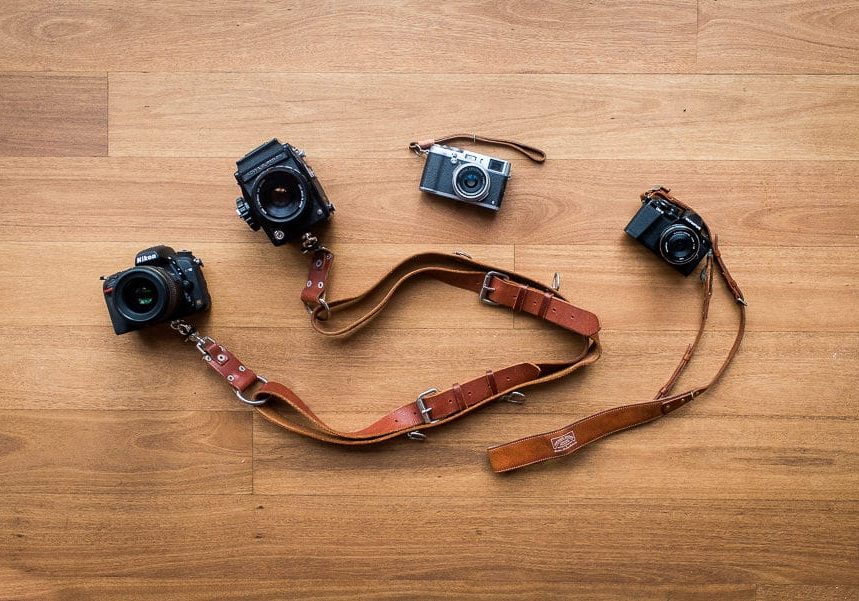
Credit: shotkit.com
When Not To Use A Strap
There are rare cases where a strap can be a hazard. For example, in extreme sports or when working around moving machinery, a dangling strap can get caught. In those cases, quick-release or detachable straps are safer.
Camera straps are a small investment that protects your gear and makes photography more enjoyable. They combine function, comfort, and a bit of style—so don’t underestimate their importance.
Frequently Asked Questions
How Do I Clean A Camera Strap?
Most fabric straps can be hand-washed with mild soap. Leather straps need special cleaners to prevent cracking.
Are All Camera Straps Universal?
No, some use unique attachment methods. Check your camera’s compatibility before buying.
Can A Camera Strap Damage My Camera?
If a strap is too thin or poorly attached, it might wear out camera lugs over time. Choose a sturdy, well-made strap.
What’s The Best Camera Strap For Travel?
Sling straps and padded neck straps are popular for travel due to comfort and quick access.
Where Can I Learn More About Camera Gear?
For in-depth information, visit the Wikipedia page on camera straps.

Credit: hawkesmill.com