Photographers often look for creative ways to shape light and add drama to their images. Using a speedlight off camera is a powerful technique that opens many possibilities, from portraits with dynamic shadows to product photos with controlled highlights. Learning how to use your speedlight off the camera can feel tricky at first, but with some guidance, you can quickly improve your photography.
Table of Contents
What You Need To Get Started
To use a speedlight off camera, you need a few key items:
- Speedlight flash (external flash)
- Wireless trigger (radio or optical)
- Light stand or tripod
- Umbrella, softbox, or diffuser (optional for softer light)
Some cameras and speedlights can trigger off-camera flashes using built-in systems. However, dedicated wireless triggers are more reliable outdoors and over longer distances.
Setting Up Your Off-camera Speedlight
Begin by attaching your speedlight to the light stand. Connect your wireless trigger to the camera’s hot shoe, and the receiver to the speedlight. Turn on both units and set them to the same channel.
Basic Settings
- Set your speedlight to manual mode for more control.
- Start at 1/16 or 1/8 power and adjust as needed.
- Use a shutter speed below your camera’s maximum sync speed (usually 1/200 or 1/250 sec).
If you want to see how modifiers affect your light, the following table compares three common options:
| Modifier | Effect on Light | Best Use |
|---|---|---|
| Umbrella | Softer, wide spread | Group portraits |
| Softbox | Soft, directional | Single portraits |
| Bare flash | Harsh, crisp | Dramatic effects |

Credit: theslantedlens.com
Creative Lighting Techniques
Moving your speedlight off camera lets you change the direction and quality of light. Try placing your flash at a 45-degree angle to your subject for Rembrandt lighting. For dramatic shadows, position it to the side or behind your subject.
Here’s a quick comparison of common speedlight positions:
| Position | Resulting Look |
|---|---|
| Front | Flat, even light |
| 45-degree side | Natural shadows, depth |
| Back | Silhouettes, rim light |
Common Mistakes To Avoid
- Placing the flash too close, causing overexposed highlights
- Forgetting to match trigger channels, leading to misfires
- Ignoring ambient light, which can affect your exposure
A non-obvious tip: Always check your flash’s recycle time—shooting too fast can lead to missed shots or weaker flashes.
Experimenting with off-camera speedlight can transform your images. Practice moving your light, changing modifiers, and adjusting power. With patience, you’ll gain control and confidence.
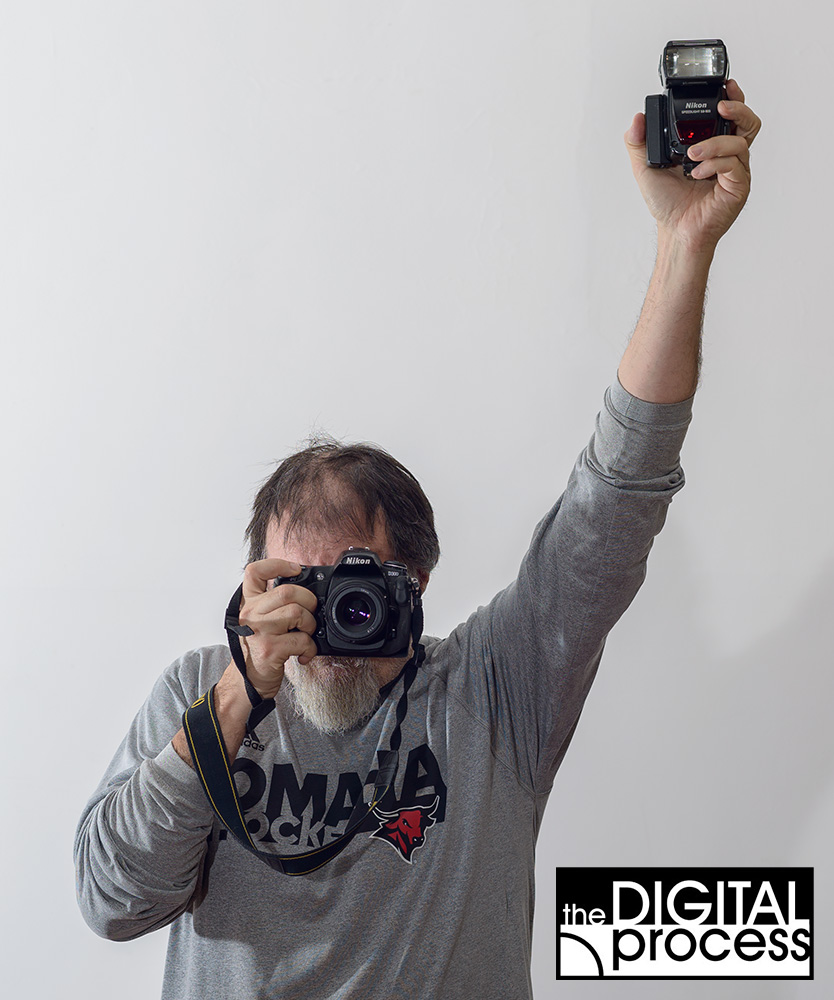
Credit: www.thedigitalprocess.com
Frequently Asked Questions
What Is The Main Benefit Of Using A Speedlight Off Camera?
It gives you creative control over light direction and mood, making photos more professional.
Do I Need Expensive Equipment?
No, even basic entry-level speedlights and triggers work well for off-camera flash.
Can I Use My Camera’s Built-in Flash To Trigger The Speedlight?
Yes, many cameras can trigger compatible speedlights optically, but radio triggers are more reliable.
How Do I Balance Flash With Natural Light?
Adjust your camera settings to expose for the background, then set flash power to light your subject.
Where Can I Learn More About Advanced Flash Techniques?
Check resources like the Wikipedia off-camera flash page for more in-depth guides.