The deep ocean is full of strange creatures, but few are as unique as the tripod fish. These remarkable animals survive in some of the harshest places on Earth, balancing on long, thin fins on the seafloor. Still, many wonder: do tripod fish suffer? Let’s explore what science says about these mysterious fish, their lives, and their experiences.
Table of Contents
What Are Tripod Fish?
Tripod fish (Bathypterois grallator) live thousands of meters deep in the Atlantic, Indian, and Pacific Oceans. They get their name from their unusual way of “standing” on the ocean floor using three long, bony fins. These fins can reach up to 1 meter, even when the fish itself is usually less than 40 cm long.
Their bodies are adapted for the cold, dark, high-pressure world of the deep sea. Because food is scarce at these depths, tripod fish wait patiently for small animals drifting by in the current.
Do Tripod Fish Feel Pain?
The question of suffering depends on whether tripod fish feel pain like mammals or birds. Fish have a simpler nervous system than humans. While they have nerves and pain receptors, their brains are not as complex.
Recent studies suggest that many fish can detect injury or stress. However, for deep-sea fish like the tripod fish, there is limited research. The low temperatures and slow metabolism might mean their responses to harm are much slower. Most scientists believe their experience of pain is different and likely less intense than animals with larger brains.

Credit: ferrebeekeeper.wordpress.com
Natural Challenges And Threats
Tripod fish face many dangers, but not in the same way as animals closer to the surface. Their biggest challenges include:
- Scarcity of food: They rely on rare drifting prey.
- High pressure: Their bodies are built to survive crushing depths.
- Human threats: Deep-sea trawling and mining can disturb their habitat.
Here is a quick comparison of their main challenges versus surface fish:
| Factor | Tripod Fish | Surface Fish |
|---|---|---|
| Food Access | Very limited | Abundant |
| Predators | Few, specialized | Many types |
| Pressure | Extremely high | Low |
Human Impact And Suffering
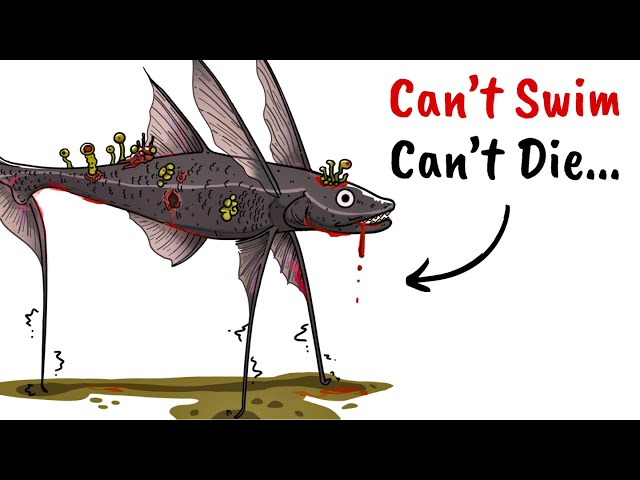
While tripod fish have survived for millions of years, human activities are a new threat. Deep-sea mining and fishing can destroy their delicate habitats. When brought to the surface, these fish suffer from pressure changes that can be fatal.
Here’s how different actions affect tripod fish:
| Action | Effect on Tripod Fish |
|---|---|
| Trawling nets | Physical injury, habitat loss |
| Scientific collection | Barotrauma, death from pressure change |
| Pollution | Long-term habitat damage |
Credit: www.youtube.com
The Reality Of Suffering
Tripod fish have evolved to handle tough conditions, but they are not invincible. While they may not suffer in the same way as people or pets, they can still be harmed by sudden environmental changes, especially those caused by humans. Their slow lifestyle means they might not show pain as we recognize it, but they are still vulnerable to harm.
For more on deep-sea animal adaptations, visit Wikipedia.
Frequently Asked Questions
Do Tripod Fish Experience Stress?
Yes, tripod fish can experience stress from environmental changes, especially sudden ones like being brought to the surface.
Can Tripod Fish Survive Outside Deep Water?
No, they cannot. The change in pressure is fatal for these deep-sea animals.
What Do Tripod Fish Eat?
They feed on small crustaceans and worms that drift near the ocean floor.
Are Tripod Fish Endangered?
They are not officially listed as endangered, but human activities threaten their habitats.
How Do Tripod Fish Reproduce?
Tripod fish can change sex and sometimes self-fertilize, helping them survive in low-population areas.

Credit: www.youtube.com