Travelers who love photography often wonder about flying with gear. If you enjoy taking photos or videos, you might own a monopod. This simple tool helps stabilize your camera or phone, especially when shooting in low light or capturing action. But can you bring a monopod on a plane? The answer isn’t always simple. Let’s break down airline rules, security checks, and practical tips for traveling with a monopod.
Table of Contents
What Is A Monopod And Why Bring One?
A monopod is a single-legged support for cameras or smartphones. Unlike a tripod, it’s fast to set up and great for crowded places. Many travelers, vloggers, and birdwatchers find it useful because it’s light and portable.
When you travel, a monopod can help you:
- Take sharp photos in museums or parks
- Shoot stable videos while walking
- Avoid asking strangers to take your picture
But airline staff may see monopods as similar to selfie sticks or even as potential weapons. This is why rules can be confusing.
Airline And Tsa Rules About Monopods
If you’re flying within the United States, the Transportation Security Administration (TSA) decides what you can bring. TSA allows monopods in both carry-on and checked baggage. However, the final decision depends on the agent at the security checkpoint.
Here’s a quick comparison of how monopods fit into airline rules:
| Item | Carry-On Allowed? | Checked Baggage Allowed? | Special Notes |
|---|---|---|---|
| Monopod | Yes (usually) | Yes | Depends on size and material |
| Tripod | Yes (if fits bag) | Yes | May count as a personal item |
| Selfie Stick | Yes | Yes | Banned at some attractions |
International Flights
Rules can change if you fly outside the U.S. For example, airlines in Europe or Asia might be stricter. Always check the airline’s website before you pack. Some carriers count monopods as sports equipment or restrict poles of any kind. If you’re not sure, call the airline before your flight.
Credit: www.maplin.co.uk
Packing A Monopod: Carry-on Vs Checked Baggage
You can usually carry a monopod in your carry-on bag, but size matters. Most airlines limit the length of items in the cabin. If your monopod is very long (over 22 inches when folded), it might not fit in the overhead bin or under the seat.
If you have a compact or telescopic model, it’s easier to pack. In my experience, a monopod under 18 inches when collapsed is rarely a problem.
There are pros and cons to both options:
| Packing Method | Advantages | Disadvantages |
|---|---|---|
| Carry-On | Easy access, less risk of damage | May attract security questions |
| Checked Baggage | No security hassle, no carry-on space used | Possible loss or damage, harder to retrieve quickly |
Pro Tip: If your monopod has sharp points or spikes for outdoor use, remove them before packing in carry-on. Security staff might see these as dangerous.
Security Checkpoints And Potential Issues
While TSA allows monopods, airport security officers have the final say. Here’s what to keep in mind:
- Appearance matters. Monopods made of metal or with large handles may look like batons or sticks. This can cause extra screening.
- Explain its use. If questioned, calmly show that it’s for a camera or phone, not for self-defense.
- Country-specific concerns. In some places, like Singapore or parts of the Middle East, authorities may be stricter with all types of sticks. Research your destination before you go.
Sometimes, even a small monopod can be denied if the officer feels it’s unsafe. There are no guarantees.
Credit: www.smallrig.com
Tips For Traveling Smoothly With A Monopod
- Choose a compact model. Telescopic or foldable monopods are less likely to draw attention.
- Remove attachments. Detach phone holders or camera mounts for easier packing.
- Keep it visible. Place your monopod on top of other items in your bag for quick inspection.
- Have proof. Bring a photo of you using it, or a product manual, to show its purpose.
- Check attraction rules. Many museums, stadiums, and theme parks ban all sticks, even if airlines allow them.
Warning: If your monopod looks like a hiking pole or walking stick, it may be questioned more, as some airlines restrict these items.
Real-world Examples
When I tested traveling with a monopod from New York to Tokyo, TSA allowed it in my carry-on. However, on a flight from Paris, security asked me to move it to checked luggage. Some travelers have also reported being stopped at London Heathrow and asked about their gear.
A useful resource for global travel rules is the IATA Travel Centre, which updates baggage guidelines for many airlines.
Credit: www.ulanzi.com
Frequently Asked Questions
Can I Bring A Monopod On A Plane If It’s Carbon Fiber?
Yes, carbon fiber monopods are usually allowed. They are lightweight and non-metallic, making them less likely to trigger alarms. However, always check with your airline, as rules can change.
Are Monopods Allowed In All Countries?
No, some countries ban all camera supports at airports or tourist sites. For example, certain locations in the United Arab Emirates and India have strict rules. Research your destination before traveling.
Will A Monopod Count As An Extra Bag?
If the monopod fits inside your main carry-on, it usually does not count as a separate item. If it’s attached outside your bag or carried loose, some airlines may consider it an additional item.
What Should I Do If My Monopod Is Denied At Security?
If airport security says you can’t bring your monopod, you can:
- Ask to check it as hold luggage
- Use an airport mailing service to send it home
- Leave it behind if there’s no other option
Are There Alternatives To Monopods For Travel?
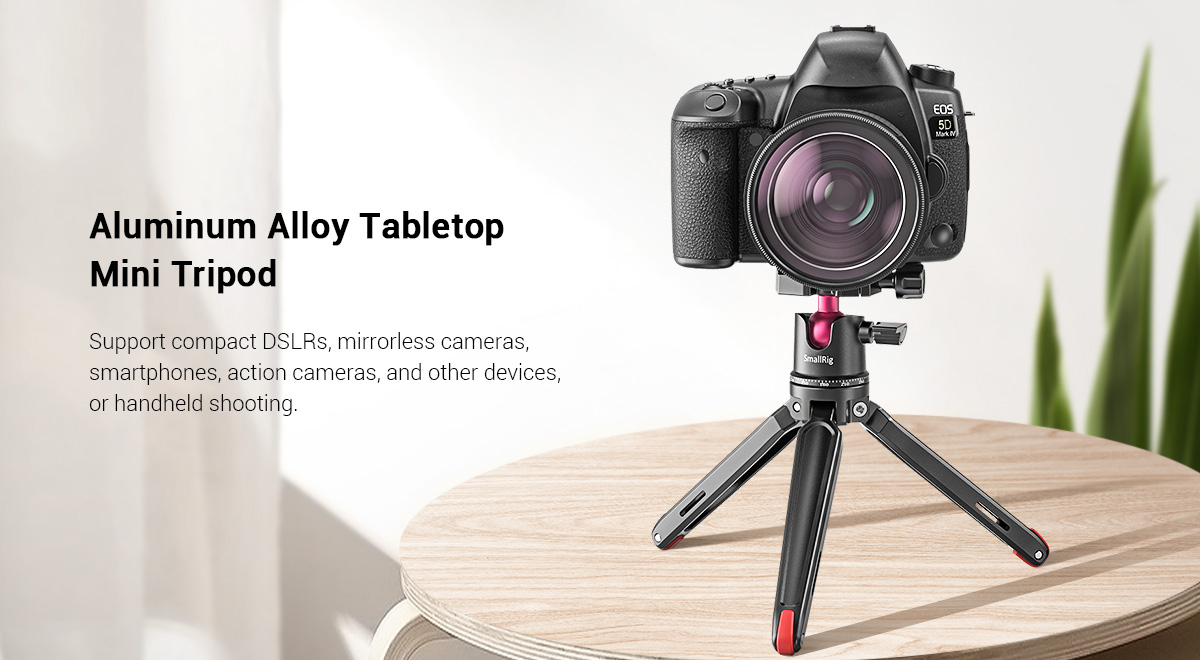
Yes, you can try mini tripods, phone stabilizers, or handheld grips. These are often smaller and less likely to be questioned by security.
Traveling with a monopod is possible, but being prepared and informed makes the journey smoother. Check airline rules, pack smart, and always have a backup plan. That way, you can focus on capturing great memories, not worrying about your gear.