Carrying a camera should feel safe, comfortable, and effortless. But many photographers struggle with their camera strap—letting it twist, slip, or get in the way. Learning the best way to use a camera strap helps protect your gear, improves access, and even makes you look more professional.
Table of Contents
Why Camera Strap Technique Matters
Dropping a camera is expensive. Data from repair shops show that over 25% of camera repairs come from drops or falls. A well-used camera strap can almost eliminate this risk. But it’s not just about safety. The right technique also reduces muscle strain, helps you move faster, and keeps your camera within reach for the perfect shot.
Popular Camera Strap Styles Compared
Each photographer prefers a different strap style. Here’s how the main options compare:
| Strap Style | Comfort | Speed | Security |
|---|---|---|---|
| Neck Strap | Medium | Fast | Good |
| Shoulder/ Sling | High | Very Fast | Excellent |
| Wrist Strap | Low | Medium | OK |
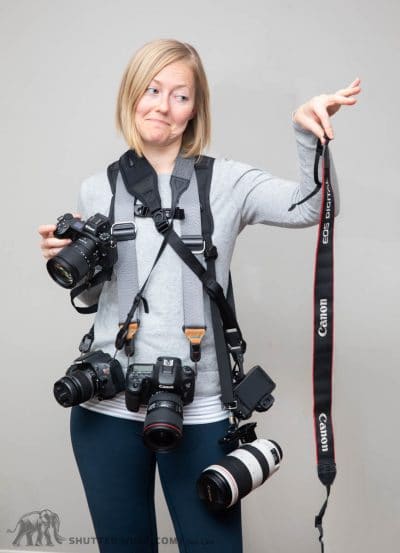
Credit: shuttermuse.com
How To Wear Your Camera Strap For Best Results
- Choose the right strap for your use. For long walks, a sling strap across the body is more comfortable and reduces neck pain.
- Adjust the length so the camera sits at your hip. Too high or too low can cause strain and slow you down.
- Always attach the strap securely to both camera lugs. Double-check the fasteners before each use.
- For fast access, wear the strap cross-body (over one shoulder, camera at the opposite hip). This lets you swing the camera up quickly.
Common Mistakes To Avoid
Many beginners make simple errors with their camera straps. Here are a few to watch out for:
- Twisting the strap, which weakens the material
- Letting the strap hang too loose, increasing drop risk
- Using a thin, cheap strap that digs into your skin
- Not checking strap connectors regularly
An often-missed tip: clean your strap—dirt and sweat can wear out the fibers over time.
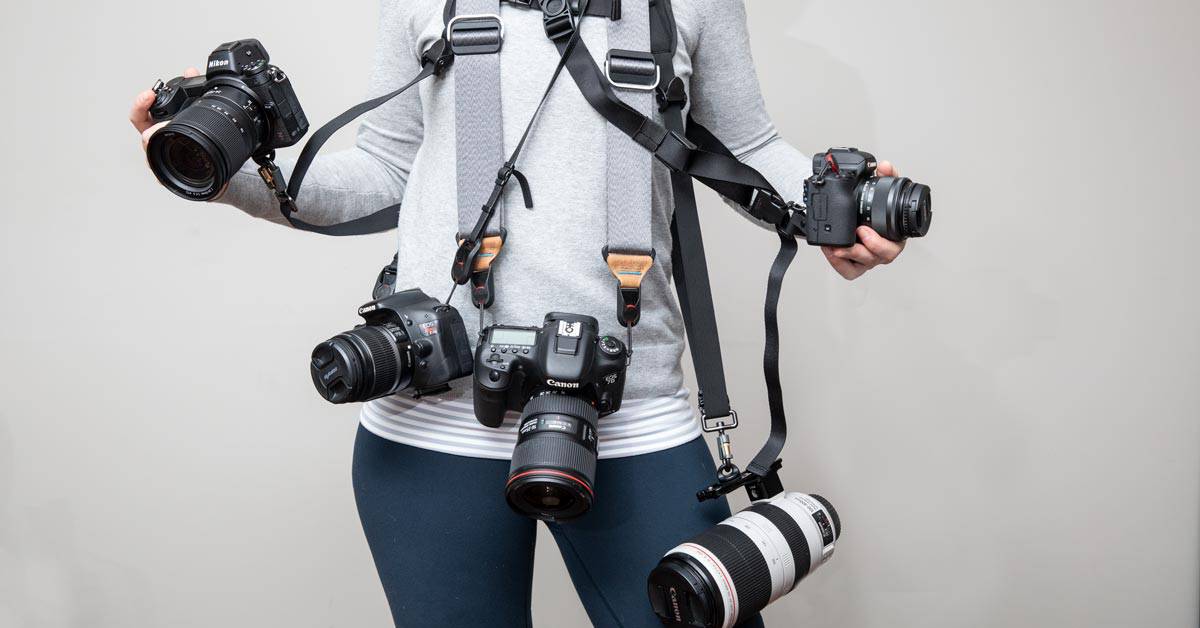
Credit: shuttermuse.com
Quick Comparison: Oem Vs Aftermarket Straps
| Feature | OEM Strap | Aftermarket |
|---|---|---|
| Padding | Light | Heavy |
| Price | Included | $15–$100+ |
| Style Choices | Few | Many |
Extra Tips For Comfort And Safety
- Use a wide strap for heavy cameras; it spreads weight better.
- Consider a quick-release system for switching straps or tripod use.
- For travel, choose a slash-resistant strap to avoid theft.
One more insight: in crowded places, keep your camera in front of you. This prevents accidental bumps and keeps your gear safer.
If you want more tips on camera handling, check out the National Geographic Photography Guide.
A camera strap is more than just an accessory. With the right method, you protect your investment and shoot better photos. Take a moment to adjust, and your neck, back, and camera will thank you.

Credit: www.youtube.com
Frequently Asked Questions
What Is The Safest Way To Wear A Camera Strap?
The safest way is cross-body. The strap goes over one shoulder and across your chest, with the camera resting at your opposite hip.
How Often Should I Check My Camera Strap?
Check your strap and connectors every few weeks, especially before travel or important events.
Are Wrist Straps Safer Than Neck Straps?
Wrist straps are good for small cameras but don’t prevent drops from higher up. Neck or sling straps are safer for heavier gear.
Can I Wash My Camera Strap?
Yes, most fabric straps can be hand-washed. Avoid soaking leather or padded straps; wipe them gently instead.
Is It Worth Buying An Aftermarket Camera Strap?
If you shoot often or carry heavy cameras, an aftermarket strap can be more comfortable and durable than the included one.