Table of Contents
Is Mounting A Camera On A Helmet Illegal?
Attaching a camera to your helmet, often called a helmet cam, is a popular practice for many activities like cycling, motorcycling, skiing, and even everyday commuting. People use these cameras to record their adventures, create content for social media, or for safety and evidence purposes. However, a common question arises: is it illegal to mount a camera on your helmet? The answer isn’t a simple yes or no. It depends heavily on local laws, the type of activity, and how the camera is mounted.
Understanding the legal implications is crucial before you attach that camera. While many places don’t have specific laws against helmet cameras themselves, there are regulations that might indirectly affect their use. These often relate to visibility, safety standards, and sometimes even privacy. Failing to consider these can lead to fines or other penalties.
Legal Considerations For Helmet Cams
The legality of helmet cameras often hinges on whether they compromise the helmet’s primary function: protecting your head. Helmets are designed and certified to meet specific safety standards. Any modification or addition that could potentially weaken the helmet’s structure or alter its performance during an impact could be problematic.
Impact On Helmet Safety Standards
Most helmets sold commercially are tested and certified by organizations like the Snell Memorial Foundation or the U. S. Consumer Product Safety Commission (CPSC). These certifications mean the helmet meets rigorous standards for impact absorption and structural integrity. Attaching a camera, especially with rigid mounts or large components, could potentially interfere with how the helmet distributes impact forces.
For instance, a poorly attached camera could dig into your skull during a crash, increasing the risk of injury. It could also snag on objects, causing the helmet to twist or wrench in a way it wasn’t designed to. Some jurisdictions may have rules against modifying safety equipment, and a helmet camera could be seen as such a modification.
Visibility And Obstruction
Another factor is whether the camera or its mount obstructs your vision. If a camera is positioned in a way that limits your ability to see your surroundings, it can be considered unsafe and potentially illegal, especially when operating vehicles like bicycles or motorcycles.
Drivers and riders have a responsibility to maintain clear visibility.
Local Laws And Regulations
Laws vary significantly from one city, state, or country to another. Some areas might have specific ordinances regarding the use of cameras in public spaces, particularly concerning privacy. While recording your own activity is usually fine, pointing a camera at others without their consent can sometimes lead to legal issues, though this is more about privacy laws than helmet laws.
For example, in some European countries, there are stricter regulations on recording individuals, even in public. It’s always best to be aware of the specific rules where you plan to use your helmet cam.
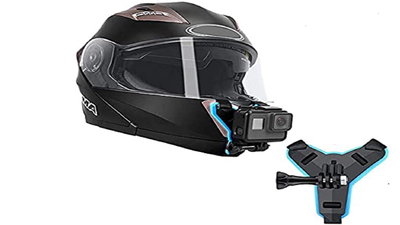
Credit: timesofindia.indiatimes.com
Specific Activities And Their Rules
The context of your activity plays a significant role in determining the legality and safety of using a helmet camera. What might be acceptable for recreational skiing could be scrutinized more heavily for professional motorcycle racing.
Motorcycling
Motorcyclists often use helmet cams for recording rides, documenting incidents, or for professional racing. Many jurisdictions have specific laws about motorcycle helmets and any additions. While not always explicitly banned, the mount must not compromise the helmet’s integrity. Some motorcycle organizations or racing bodies might have their own rules about camera mounts, often requiring them to be breakaway or designed to minimize snagging.
Pro Tip: Many manufacturers offer chin mounts or side mounts specifically designed for motorcycle helmets that are tested to integrate safely with the helmet’s design.
Cycling
For cyclists, helmet cams are common for safety, evidence in case of accidents, or vlogging. Most cycling helmet regulations focus on the helmet’s core safety features. Similar to motorcycling, the primary concern is that the camera mount does not weaken the helmet structure or create a new hazard. Many cyclists opt for lightweight, low-profile mounts that adhere securely without altering the helmet’s protective qualities.
Skiing And Snowboarding
When skiing or snowboarding, helmet cameras are widely used. While less regulated than motor vehicle use, safety is still paramount. The main concern is ensuring the camera doesn’t snag on trees, lift chairs, or other skiers, potentially causing a fall or injury.
Some resorts might have policies regarding camera use, especially regarding potential hazards.
Other Activities
For activities like skateboarding, inline skating, or even construction work (where safety helmets are mandatory), the same principles apply. The camera and its mount should not compromise the helmet’s ability to protect the wearer. In professional settings, such as construction sites, employers often have strict guidelines on personal equipment to ensure safety compliance.
Choosing And Mounting Your Camera Safely
If you decide to use a helmet camera, selecting the right equipment and mounting it correctly is essential to stay within legal boundaries and, more importantly, to ensure your safety.
Camera Mount Types
There are several types of mounts available:
- Adhesive Mounts: These use strong double-sided tape (like 3M VHB) to attach the camera base to the helmet. They are popular for their simplicity and low profile.
- Strap Mounts: These wrap around the helmet, often used for rounder helmets like those for skiing or cycling.
- Clip Mounts: These can clip onto the visor or edge of a helmet, common for some types of cycling or military-style helmets.
- Chin Mounts: These are specifically designed to attach to the chin bar of full-face helmets, offering a stable, forward-facing view.
Safety Considerations For Mounting
- Helmet Integrity: Always follow the camera manufacturer’s and helmet manufacturer’s recommendations. Avoid drilling holes in your helmet, as this can significantly compromise its structural integrity.
- Weight and Size: Opt for lighter, smaller cameras and mounts. A heavy or bulky camera can add stress to the helmet and increase the risk of injury during impact.
- Breakaway Features: Consider mounts that are designed to break away on impact. This reduces the chance of the camera snagging and causing neck or head injuries.
- Placement: Position the camera so it doesn’t obstruct your vision or interfere with helmet vents. A central top mount is common, but chin or side mounts can offer different perspectives and sometimes better aerodynamics.
Privacy Concerns
While not directly related to the legality of mounting a camera, be mindful of privacy laws. Recording in public spaces is generally permissible for personal use, but avoid intentionally recording private areas or individuals without their consent. This is particularly relevant if you plan to share your footage widely.

Credit: www.bikeleague.in
When It Might Be Illegal
While generally not outright illegal in most places, certain situations can make using a helmet camera problematic or against the law:
- Modification of Certified Helmets: If local laws prohibit modifying safety-certified equipment and your mount compromises the helmet’s certification.
- Obstructed Vision: If the camera setup impairs your ability to see the road or your surroundings, leading to unsafe operation.
- Privacy Violations: Recording individuals in private settings or without consent where privacy laws are strictly enforced.
- Specific Event Rules: Professional races, organized events, or certain venues may have their own regulations prohibiting or restricting helmet cameras.
Here’s a look at how different mounts compare in terms of common concerns:
| Mount Type | Ease of Installation | Potential Safety Impact | Visibility Impact | Privacy Concerns |
|---|---|---|---|---|
| Adhesive Mount | Easy | Low (if done correctly) | Low | Low |
| Strap Mount | Moderate | Moderate | Low | Low |
| Clip Mount | Easy | Low | Moderate | Low |
| Chin Mount | Moderate | Low | Low | Low |
In my experience, adhesive mounts from reputable brands like 3M, when applied to a clean, properly prepared helmet surface, offer a secure and low-profile solution that rarely causes issues. However, always check the helmet manufacturer’s warranty regarding adhesive mounts.
Frequently Asked Questions

Credit: chinmounts.com
What Is The Main Concern Regarding Helmet Cameras And The Law?
The primary concern is that the camera mount could compromise the helmet’s safety integrity.