Table of Contents
Why Do Cameras Have Different Mounts?
Have you ever looked at different camera lenses and noticed how they attach to the camera body in different ways? This is because cameras use lens mounts, and these mounts are not all the same. Understanding why there are so many different types of lens mounts is key to understanding camera systems and how they work. It’s not just about looks; these mounts play a crucial role in how lenses and cameras communicate, how well they perform together, and what kind of photos you can take.
The primary reason for different camera mounts is historical development and technological evolution. When cameras first started using interchangeable lenses, the connection methods were often unique to each manufacturer. As technology advanced, so did the requirements for lens mounts. New features like autofocus, electronic aperture control, and image stabilization needed to be integrated, leading to new mount designs. These designs aimed to improve performance, allow for larger apertures, and ensure better communication between the lens and the camera body.
The Role Of The Lens Mount
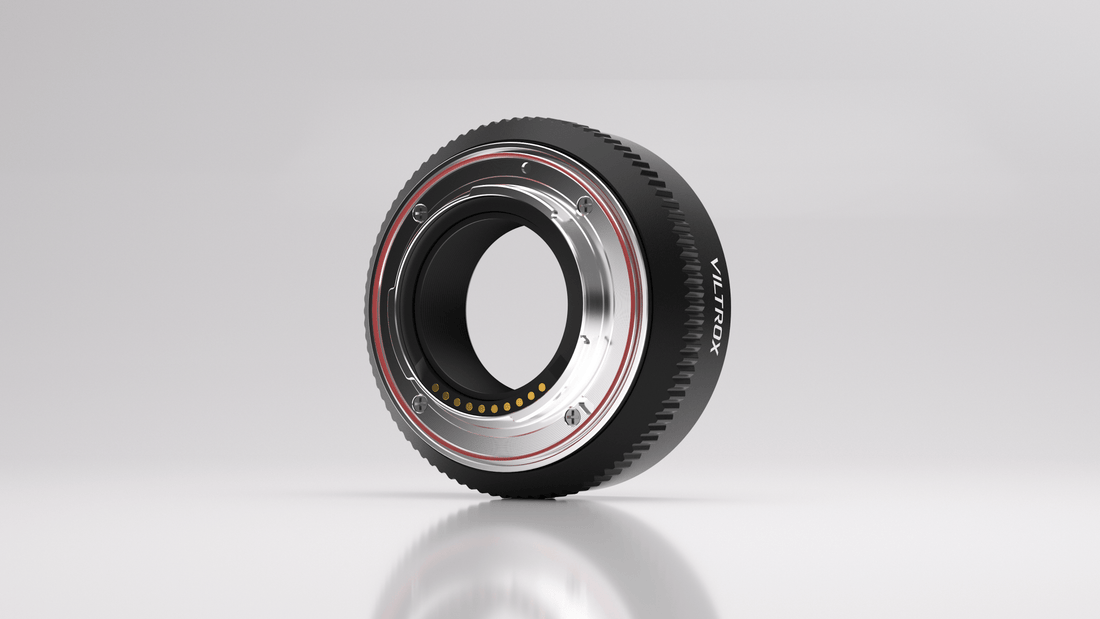
A lens mount is the interface between a camera body and a lens. It’s the physical connection that holds the lens in place and allows it to function correctly. Think of it like a docking station for your lens. This connection needs to be precise and secure to ensure that light passes through the lens and hits the camera’s sensor without any issues.
Beyond just holding the lens, the mount is also responsible for electrical communication. Modern lenses and cameras use pins within the mount to transmit data. This data includes information about the lens’s focal length, aperture settings, autofocus status, and even image stabilization commands. Without this electronic connection, many advanced camera features would simply not work.
Different Mount Types And Their Origins
The world of camera mounts can seem confusing, with many acronyms and names. These differences often stem from the brands that created them and the specific needs of their camera systems.
Canon Mounts
Canon has a long history with interchangeable lenses. Their most well-known mounts are the EF mount for their DSLRs and the newer RF mount for their mirrorless cameras. The EF mount was introduced in 1987 and was a significant step forward, featuring a much larger mount diameter and electronic control. The RF mount, introduced in 2018, builds on this with an even wider diameter and shorter flange distance (the distance between the mount and the image sensor), allowing for more advanced optical designs and better image quality in their mirrorless cameras.
Nikon Mounts
Nikon also has a rich legacy. Their F-mount, introduced in 1959, is one of the longest-running and most successful mounts in photography history, still supported by their DSLRs. For their mirrorless cameras, Nikon developed the Z-mount. This mount is notable for its very wide diameter and short flange distance, which Nikon claims allows for unprecedented optical possibilities and superior image quality.
Sony Mounts
Sony’s primary mount for their full-frame mirrorless cameras is the E-mount. Initially introduced for their NEX series of compact mirrorless cameras, it has since been expanded and adapted for their higher-end Alpha series. The E-mount is known for its relatively wide diameter and short flange distance, which is a common design principle for modern mirrorless systems.
Other Major Mounts
Beyond these major players, other brands have their own systems. Fujifilm uses the X-mount for its APS-C mirrorless cameras, which is praised for its excellent performance and wide range of native lenses. Micro Four Thirds (MFT), a standard developed by Panasonic and Olympus, is another popular mount system known for its smaller sensor size and compact lens designs.
Key Factors Driving Mount Differences
Several factors influence why manufacturers create different lens mounts. These are not arbitrary decisions but are driven by performance, technology, and market strategy.
Sensor Size
The size of the camera’s image sensor is a major factor. Lenses are designed to project an image circle that covers the sensor. A larger sensor (like full-frame) requires a lens that can project a larger image circle, which often necessitates a larger mount diameter. Smaller sensors (like APS-C or Micro Four Thirds) can use lenses with smaller image circles, allowing for smaller and lighter lens designs, and consequently, often smaller mounts.
Flange Distance
The flange distance is the measurement from the lens mount to the image sensor. Mirrorless cameras, by design, have a much shorter flange distance than DSLRs. This shorter distance gives lens designers more flexibility. They can place lens elements closer to the sensor, which can improve image quality, allow for wider apertures, and enable more compact lens designs.
Electronic Communication And Features
As camera technology has advanced, so have the demands on lens mounts. Modern mounts need to support high-speed data transfer for features like:
- Autofocus: Faster and more precise autofocus systems rely on quick communication between the lens and camera.
- Aperture Control: Electronic control of the lens aperture allows for precise adjustments and smooth transitions during video recording.
- Image Stabilization: In-body or in-lens image stabilization systems communicate with the mount to ensure stability.
- Lens Data: The camera needs to receive information from the lens about its settings, which is used for image processing and metadata.
Backward Compatibility And System Strategy
Manufacturers often introduce new mounts to push the boundaries of optical performance. However, they also consider backward compatibility. For instance, Canon offers adapters that allow many EF lenses to be used on their RF-mount mirrorless cameras. This is crucial for photographers who have invested heavily in a lens system and want to transition to new camera bodies without replacing all their lenses.
Market Positioning And Innovation
Sometimes, a new mount is introduced as part of a company’s strategy to innovate and differentiate itself in the market. A wider, faster mount can be a selling point, promising superior image quality and future-proofing the system. This can encourage photographers to invest in a new system, even if it means adapting to new lens choices.
Credit: viltrox.com
The Impact On Photographers
The variety of lens mounts directly affects photographers in several ways:
- Lens Choice: You are generally limited to using lenses designed for your camera’s specific mount. While adapters exist, they can sometimes compromise autofocus performance or add bulk.
- System Investment: If you switch camera brands, you’ll likely need to buy new lenses, which can be a significant financial commitment. This is why many photographers stick with one brand for years.
- Adaptability: The ability to adapt lenses from other systems or older mounts can offer creative possibilities and cost savings, but it’s not always seamless.
Here’s a simplified look at some common mounts and their characteristics:
| Mount Name | Camera Type | Typical Sensor Size | Key Feature |
|---|---|---|---|
| Canon EF | DSLR | Full-Frame | Long-standing, robust mechanical and electronic link |
| Canon RF | Mirrorless | Full-Frame | Wide diameter, short flange distance |
| Nikon F | DSLR | Full-Frame | Decades of compatibility, vast lens selection |
| Nikon Z | Mirrorless | Full-Frame/APS-C | Very wide diameter, short flange distance |
| Sony E | Mirrorless | Full-Frame/APS-C | Compact, short flange distance |
| Fujifilm X | Mirrorless | APS-C | Designed for APS-C, excellent lens ecosystem |
| Micro Four Thirds | Mirrorless | ~Half-frame | Compact system, standardized mount |
Common Mount Adapters
For photographers who want to use lenses from a different system or an older mount on their current camera, lens adapters are a vital tool. These adapters essentially bridge the gap between the lens mount and the camera mount.
There are different types of adapters:
- Native Adapters: These are usually made by the camera manufacturer and are designed to work seamlessly with their cameras. For example, Canon’s EF-EOS R adapter allows EF lenses to be used on RF-mount cameras. These