A tripod is a common tool in photography, videography, and even science labs. But have you ever wondered how many legs a tripod actually has? The answer seems simple, but there’s more to it than just a number. Understanding what makes a tripod unique can help you choose the right equipment and use it effectively.
Table of Contents
What Is A Tripod?
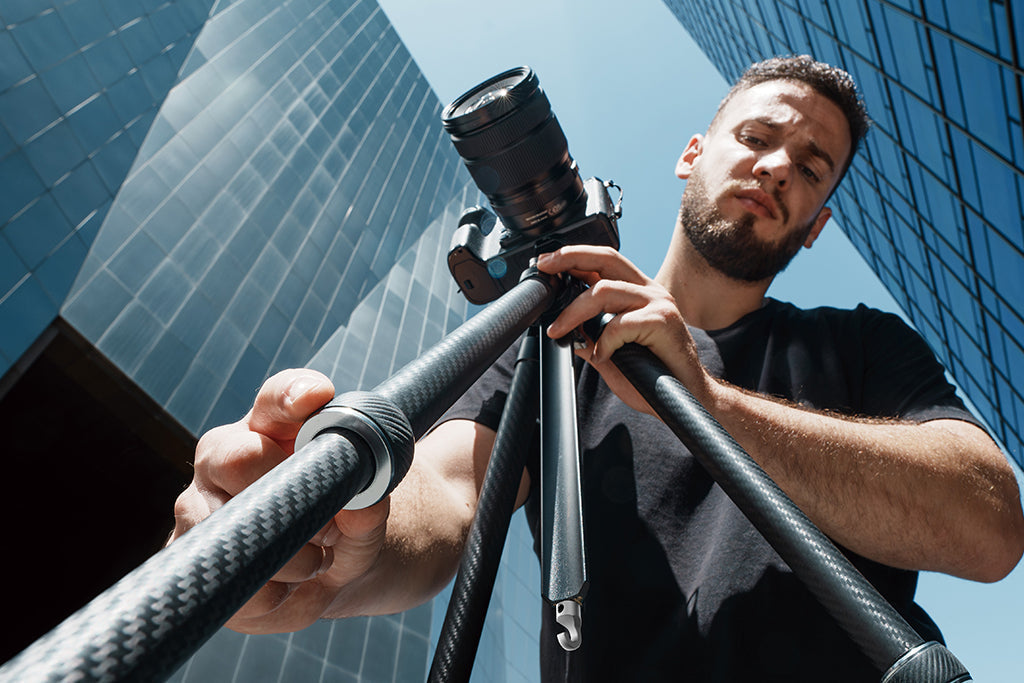
A tripod is a stand with three legs. Its name comes from Greek: “tri” means three, and “pod” means foot. This three-legged design is not random. It gives the tripod a stable base, even on uneven surfaces. That’s why tripods are popular for holding cameras, telescopes, or other devices that need to stay steady.
Why Three Legs?
The main reason a tripod has three legs is stability. With three points touching the ground, the tripod forms a solid triangle. This shape does not wobble easily, which is perfect for keeping cameras still. If you used four legs, all four would only touch the ground if the surface was perfectly flat. Three legs always make contact, no matter the terrain.
Here’s a simple comparison:
| Number of Legs | Stability | Surface Contact |
|---|---|---|
| 2 | Poor | Unstable |
| 3 | Excellent | Always stable |
| 4 | Good (flat only) | Can wobble |
Credit: www.ulanzi.com
Tripod Uses And Benefits
Tripods are not just for cameras. They are also used in:
- Surveying equipment
- Telescopes and binoculars
- Scientific instruments
- Lighting stands
The three-legged design allows you to set up on rocks, sand, or any rough ground. Even in windy conditions, a tripod can keep your device steady.
A surprising fact: Some professional tripods can hold up to 44 pounds (20 kg) of camera gear. Yet, they still use just three legs for maximum efficiency.
Types Of Tripods
There are several types of tripods, but all have three legs. Some examples include:
| Type | Main Use | Typical Height |
|---|---|---|
| Tabletop | Small cameras, phones | 6–12 inches |
| Travel | Portable photography | 12–60 inches |
| Full-size | DSLR, video cameras | 48–72 inches |

Credit: shotkit.com
Non-obvious Insights
Many beginners think more legs mean more stability. In fact, three legs give the best balance and adaptability. Also, using a tripod’s center column too much can make it less stable, so always extend the legs first.
If you are curious about the science of tripod stability, check out this Wikipedia article.
A tripod always has three legs. That’s its defining feature. The three-legged design is why it’s trusted in so many fields, from photography to science.
Frequently Asked Questions
How Many Legs Does A Standard Tripod Have?
A standard tripod has three legs. This is true for all real tripods.
Why Not Use Four Or More Legs For Better Stability?
Four legs can actually make the tripod wobble on uneven ground. Three legs always touch the surface securely.
Are There Tripods With More Or Fewer Legs?
Some stands have four or more legs, but they are not called tripods. The name “tripod” means “three legs. ”
What Materials Are Tripods Made From?
Tripods are usually made from aluminum, carbon fiber, or plastic. Carbon fiber is lighter but more expensive.
Can You Use A Tripod For Smartphones?
Yes, there are mini tripods designed for smartphones. They use the same three-leg principle for stability.

Credit: www.bhphotovideo.com