When driving through busy intersections, you may notice a sudden bright flash from a traffic signal camera. Many drivers wonder exactly when and why these traffic light cameras flash. Understanding how they work can help you avoid fines and drive more confidently.
Table of Contents
What Triggers A Traffic Light Camera Flash?
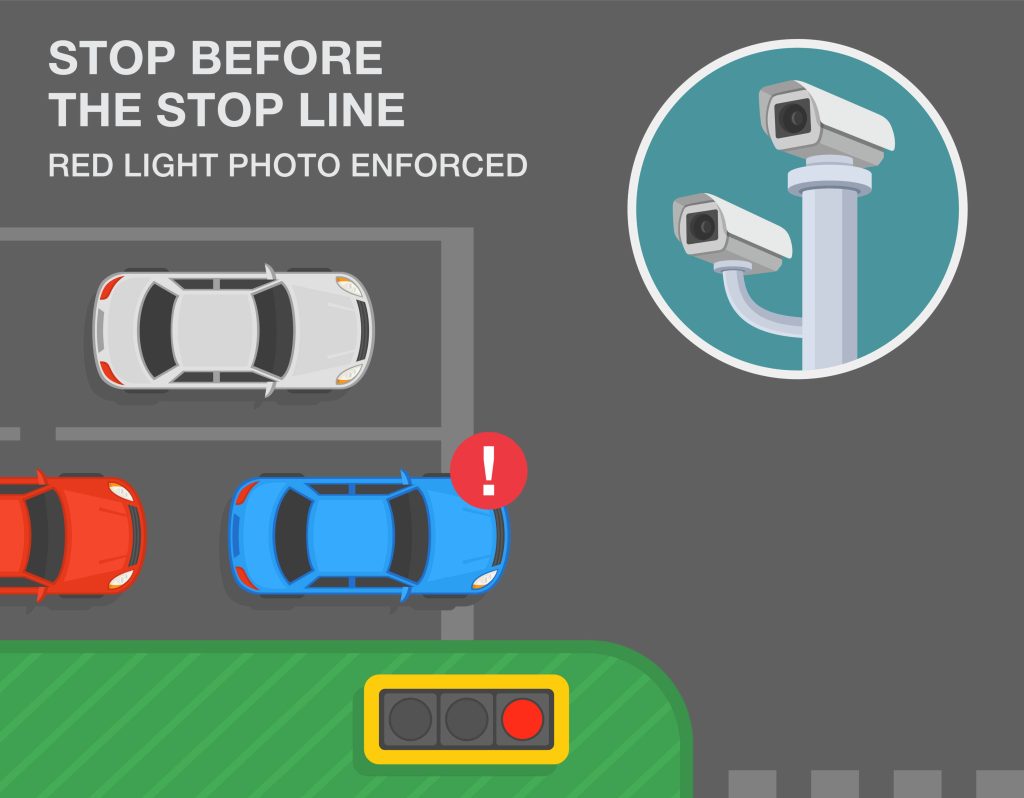
Traffic light cameras are designed to catch red light violations. A flash typically happens when a car crosses the stop line after the light has turned red. These cameras use sensors embedded in the road, which detect vehicle movement.
The process works like this:
- The light turns red.
- If a car moves over the sensors after the red signal, the system activates.
- The camera takes one or more photos, usually with a visible flash.
Some newer cameras use infrared light, which is less visible, but most still use a bright white flash for clear images.
Timing: When Exactly Does The Flash Occur?
The exact timing of the flash is important. Here’s what usually happens:
- If you cross during the yellow light, the camera does not flash.
- If your vehicle enters after the light turns red, the camera will trigger.
- Some systems wait until you completely cross the stop line before flashing.
Below is a quick comparison of camera behavior at different light phases:
| Light Color | Camera Flash? | Reason |
|---|---|---|
| Green | No | Legal crossing |
| Yellow | No | Warning phase |
| Red | Yes | Possible violation |

Credit: newsberg.org
What Does The Camera Capture?
When triggered, the camera usually takes multiple photos. This helps prove a violation happened. Typically, the camera records:
- Your car before the stop line
- Your car in the intersection
- The traffic signal showing red
Some systems include video clips as evidence.
| Evidence Captured | Purpose |
|---|---|
| License plate | Identify vehicle |
| Traffic light color | Show timing of violation |
| Intersection position | Prove car crossed line |
Common Misconceptions
Many drivers think any flash means a ticket, but that’s not always true. Sometimes, cameras test their flash or take sample images. Also, in poor weather, false triggers can happen, but these are usually reviewed by humans before tickets are sent.
Another common mistake is believing all intersections have cameras. In reality, only select intersections use them, often in high-accident areas.
Credit: www.kushoniyon.tj
Why Are Flashes So Bright?
The bright flash is designed for image clarity. Even at night or in bad weather, the camera needs a clear view of the license plate and traffic signal. This reduces disputes about who committed the violation.
For more technical details, see this Wikipedia article.
Frequently Asked Questions
Do All Traffic Lights Have Cameras?
No, only certain intersections have cameras, usually in busy or accident-prone areas.
Will The Camera Flash If I Stop Suddenly?
No, if you stop before the line, the camera does not flash, even if you cross the sensors slightly.
Can I Get A Ticket If I Was Already In The Intersection When The Light Turned Red?
No, you must enter the intersection after the light turns red for a violation to occur.
Why Do Some Cameras Use Invisible Flashes?
Infrared flashes help capture images at night without distracting drivers.
How Soon Will I Receive A Ticket After The Camera Flashes?
Most tickets arrive within 2-4 weeks, but timing depends on local law and review processes.
Knowing when traffic light cameras flash helps you avoid confusion and drive with confidence. Safe driving habits are still your best protection against fines.

Credit: coloradosprings.gov