A gimbal camera is a type of camera system that uses a motorized stabilizer called a gimbal. This device keeps the camera steady, even when the person holding it moves. Gimbal cameras are now common in drones, smartphones, and professional video equipment. If you have ever seen smooth, shake-free videos from action shots or flying drones, a gimbal camera was likely used.
Table of Contents
How Gimbal Cameras Work
A gimbal camera uses three-axis stabilization—pitch, roll, and yaw. Small motors and sensors detect unwanted movement and instantly adjust the camera to keep it steady. This allows users to shoot videos while running, walking, or flying a drone, with almost no visible shake.
Modern gimbals use gyroscopes and accelerometers to sense movement. The motors react quickly, correcting any shake or tilt. This technology is far more effective than the old “steady hand” or handheld stabilizers. For example, DJI’s drone cameras use advanced gimbals to keep aerial footage silky smooth, even in windy conditions.
Types Of Gimbal Cameras
There are several kinds of gimbal cameras available:
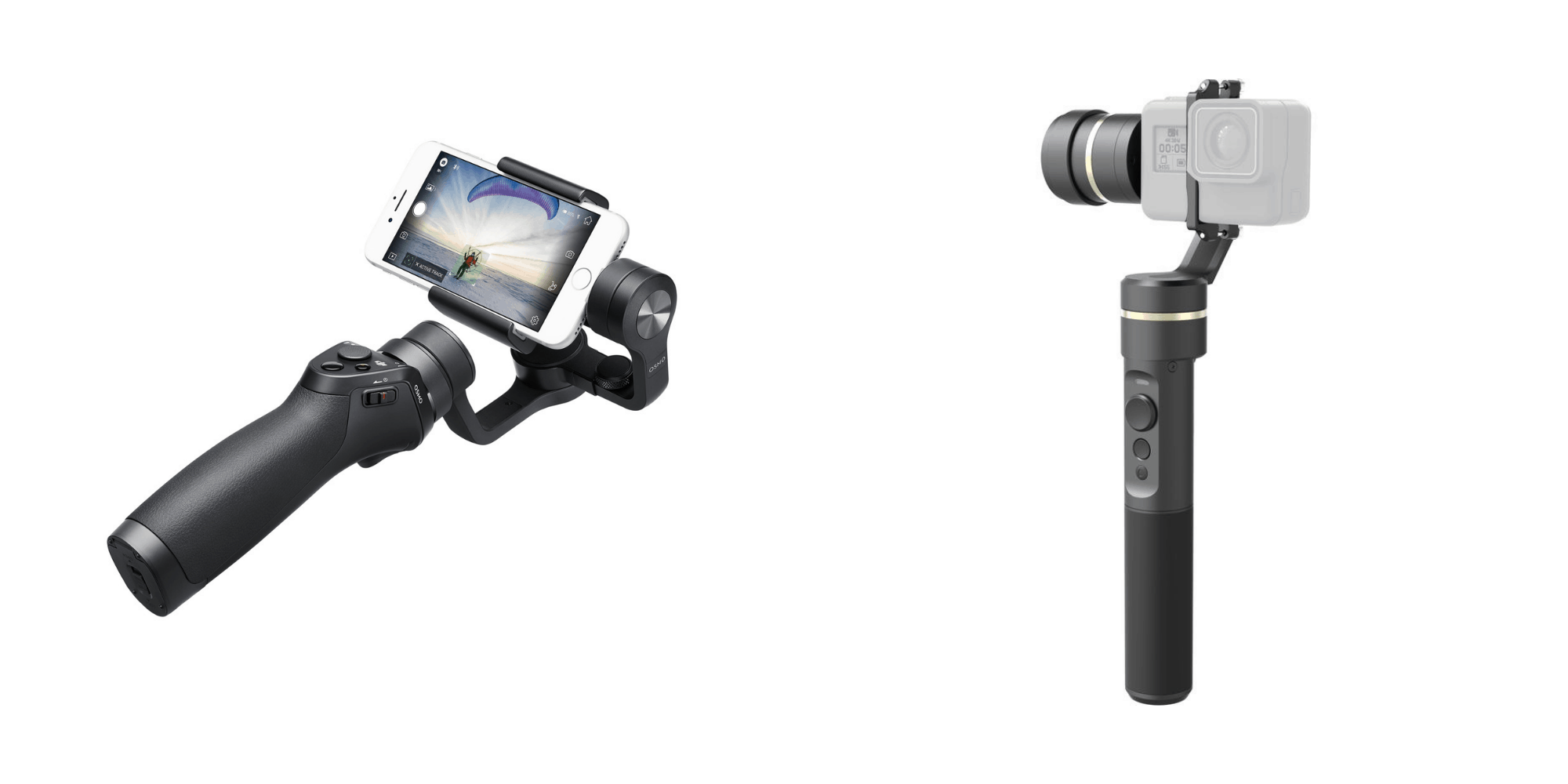
- Handheld gimbal cameras: Popular with vloggers and travelers. Examples include DJI Osmo and Zhiyun Smooth.
- Drone gimbal cameras: Built into drones such as DJI Phantom and Mavic.
- Smartphone gimbals: Hold your phone steady while filming. Models like DJI Osmo Mobile are widely used.
| Type | Main Use | Typical Price Range |
|---|---|---|
| Handheld | Vlogging, Travel | $100-$400 |
| Drone | Aerial Photography | $500-$2000 |
| Smartphone | Casual Filming | $80-$250 |

Credit: www.feiyu-tech.com
Advantages Of Gimbal Cameras
Gimbal cameras offer many benefits:
- Stabilization: Smooth, professional-looking video.
- Versatility: Works in challenging conditions, like running or flying.
- Ease of use: No need for extra skills or steady hands.
A non-obvious insight is that gimbals also help with long exposure photography. They keep the camera still for several seconds, allowing sharper photos in low light.
| Feature | Gimbal Camera | Regular Camera |
|---|---|---|
| Video Smoothness | Excellent | Fair |
| Low Light Shooting | Better | Good |
| Portability | Medium | High |
Choosing A Gimbal Camera
When picking a gimbal camera, consider:
- Camera quality: Resolution, frame rate, and sensor size.
- Battery life: Longer is better for filming events.
- Weight: Lighter gimbals are easier to hold.
- Compatibility: Make sure it fits your device (phone, drone, etc. ).
Many beginners overlook the importance of balancing the gimbal before use. Proper balance reduces battery drain and improves stabilization.
For more technical details and history, visit Wikipedia.
Gimbal cameras have changed how people capture video. From action sports to family events, they make professional-quality footage possible for everyone.
Credit: www.captureguide.com
Frequently Asked Questions
What Does A Gimbal Camera Do?
A gimbal camera keeps your videos stable by removing shakes and jitters using motorized technology.
Can I Use A Gimbal Camera For Photography?
Yes, gimbal cameras help with long exposure photography and low-light shots by keeping the camera steady.
Do All Drones Have Gimbal Cameras?
No, only higher-end drones come with built-in gimbal cameras. Cheaper models may not have stabilization.
Are Gimbal Cameras Worth The Price?
If you want smooth, professional videos, investing in a gimbal camera can make a big difference.
How Long Does A Gimbal Camera Battery Last?
Battery life ranges from 1 to 6 hours depending on the model and usage. Always check before buying.