Choosing the right camera stabilizer can make a huge difference for photographers and videographers. Whether you shoot fast action or slow cinematic scenes, stabilizers help you get smooth, professional-looking footage. With so many types available, it’s easy to feel confused. Understanding the main types will help you pick the best tool for your needs and budget.
Table of Contents
Handheld Stabilizers
Handheld stabilizers are simple, portable tools that use weights and balance to reduce shake. Popular options include the Steadicam and Glidecam. These are great for run-and-gun filming or travel because they don’t need batteries or charging. Some experienced users can achieve very steady shots with practice.
However, handheld stabilizers require skill to balance and operate. They are also less effective for long shoots because your arms get tired quickly.
| Handheld Model | Max Camera Weight | Approx. Price |
|---|---|---|
| Glidecam HD-2000 | 6 lbs | $350 |
| Steadicam Merlin 2 | 5 lbs | $400 |
Gimbal Stabilizers
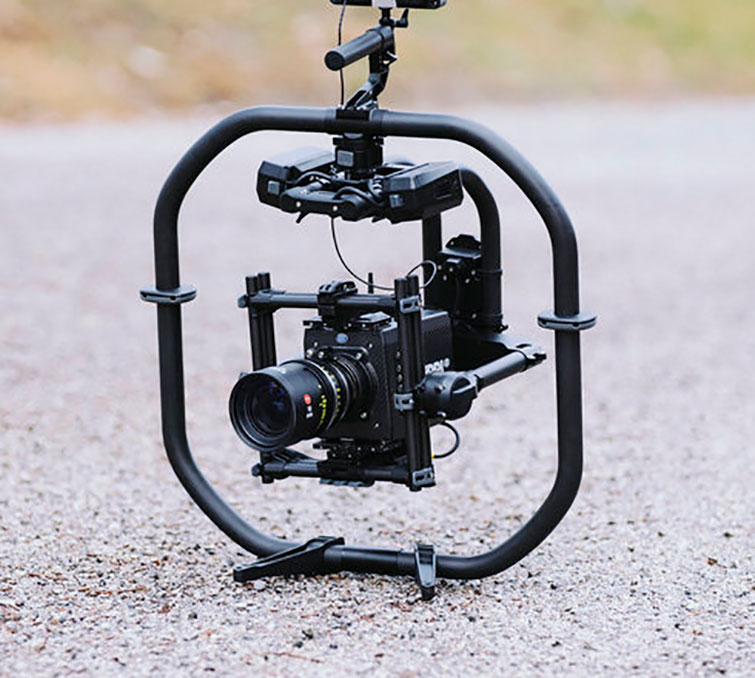
Gimbals are electronic stabilizers that use motors and sensors to keep your camera steady. They come in one-handed and two-handed versions, supporting everything from smartphones to cinema cameras. Gimbals like the DJI Ronin and Zhiyun Crane are popular for their plug-and-play operation.
The biggest advantage is automatic stabilization in multiple directions. However, they need regular charging and can be heavier than handheld models.
| Gimbal | Battery Life | Weight |
|---|---|---|
| DJI Ronin-S | 12 hrs | 4.1 lbs |
| Zhiyun Crane 3S | 12 hrs | 5.6 lbs |

Credit: www.alduro.co.id
Shoulder Rigs
Shoulder rigs are mechanical stabilizers that shift the camera’s weight to your body. This makes them ideal for longer shoots, documentaries, and events. They don’t offer motorized stabilization, but they let you support heavier cameras comfortably.
Shoulder rigs are less effective for high-movement shots but can be combined with other stabilizers for better results.
Steadicam Systems
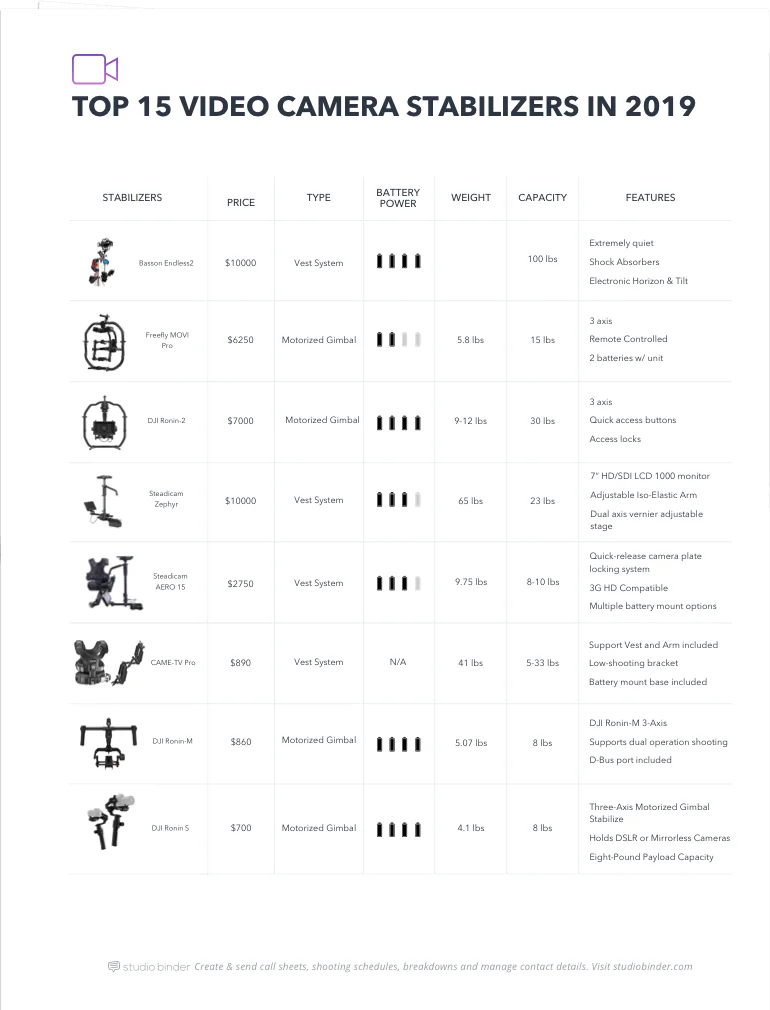
The classic Steadicam system combines a vest, arm, and sled to isolate the camera from body movement. Used in Hollywood for decades, it provides ultra-smooth shots even when walking or running. Steadicams are expensive and require training, but deliver unmatched performance for high-end projects.
Credit: www.studiobinder.com
Smartphone Stabilizers
For mobile creators, smartphone gimbals like the DJI Osmo Mobile offer excellent stabilization in a pocket-sized package. Features like face tracking and app integration make them perfect for vlogs and social media.
Choosing The Right Stabilizer
When picking a stabilizer, consider:
- Camera weight: Some stabilizers can’t handle heavy gear.
- Type of shooting: Action scenes need more stability.
- Budget: Prices range from $100 to over $5,000.
- Skill level: Some types need more practice.
For in-depth comparisons and reviews, check B&H Photo Video.
Picking the right camera stabilizer isn’t just about price. Think about your shooting style and comfort. Even a simple stabilizer can make your videos look much more professional.
Credit: www.premiumbeat.com
Frequently Asked Questions
What Is The Main Benefit Of Using A Camera Stabilizer?
A camera stabilizer helps produce smooth footage by reducing unwanted shake, especially during movement.
Can I Use The Same Stabilizer For All Cameras?
Not always. Each stabilizer has a maximum weight capacity. Always check if your camera fits the stabilizer’s limits.
Are Gimbals Better Than Handheld Stabilizers?
Gimbals offer automatic stabilization and are easier for beginners, but handheld stabilizers can be lighter and don’t require batteries.
How Long Does It Take To Learn A Steadicam?
Learning to operate a Steadicam well can take weeks or even months. Practice and training are essential.
Do I Need A Stabilizer For Vlogging?
If you often walk or move while filming, a small gimbal or smartphone stabilizer will help your vlogs look more professional.