If you’ve just bought a camera, you might be surprised at how important a simple wrist strap can be. A properly attached wrist strap gives you security and comfort, helping you avoid accidental drops while shooting. But if you’re new to cameras, the way to tie a wrist strap isn’t always obvious. In this guide, you’ll learn the right way to tie a camera wrist strap, why it matters, and some tips to keep your gear safe.
Table of Contents
Why A Wrist Strap Matters
A wrist strap does more than just hang your camera from your arm. It:
- Prevents drops: A secure strap keeps your camera from falling if you lose grip.
- Improves comfort: Wearing the strap reduces hand fatigue during long shoots.
- Protects against theft: A visible strap makes snatching harder in crowded places.
According to a report by the Camera & Imaging Products Association, accidental drops are a leading cause of camera damage, costing users hundreds of dollars each year.
Step-by-step: How To Tie A Camera Wrist Strap
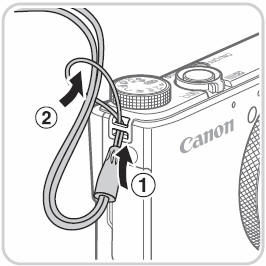
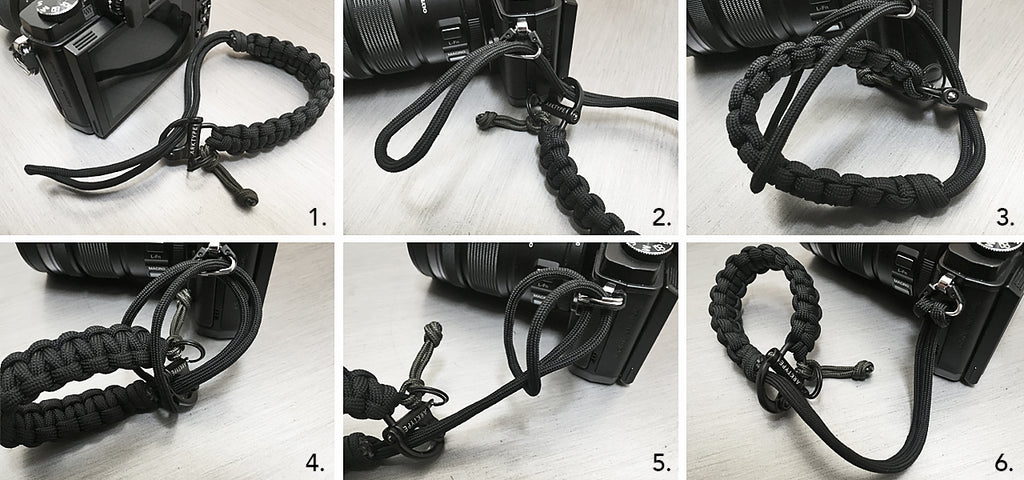
Most cameras, from Canon to Sony, use a similar wrist strap attachment method. Here’s how to do it right:
- Find the Lug: Locate the small strap hole (lug) on your camera’s side.
- Insert the Thin Loop: Thread the thin end of the strap through the lug, pushing it all the way.
- Create a Loop: Pull the thin end out until you have a small loop.
- Thread the End: Pass the wider part of the strap through this loop.
- Tighten: Gently pull to tighten, securing the strap.
This method creates a strong knot that won’t slip, even with regular use.
Common Mistakes To Avoid
- Not pulling the strap tight enough, leading to a loose fit.
- Twisting the strap, which makes it uncomfortable and weakens the knot.
- Skipping the loop step, which can cause the strap to slip off.

Credit: www.youtube.com
Quick Comparison: Wrist Strap Vs. Neck Strap
Many beginners wonder which strap style is better. Here’s a comparison:
| Feature | Wrist Strap | Neck Strap |
|---|---|---|
| Portability | Very portable | Less portable |
| Security | Good for small cameras | Better for heavy cameras |
| Comfort | Best for short use | Best for long use |
Materials: Which Strap Lasts Longer?
Not all straps are equal. Here’s how popular materials compare:
| Material | Durability | Comfort |
|---|---|---|
| Nylon | High | Medium |
| Leather | Very High | High |
| Silicone | Medium | Very High |
Credit: support.usa.canon.com
Extra Tips For Safety
- Check your strap every month for wear and tear.
- Clean leather straps with a damp cloth to extend life.
- Consider quick-release models if you switch straps often.
For more details on camera safety, see this guide from the Adorama Learning Center.
A secure wrist strap may seem simple, but it’s a smart way to protect your camera investment. With proper attachment and a little care, you’ll shoot confidently and safely.
Frequently Asked Questions
How Tight Should The Wrist Strap Be?
It should be snug but not uncomfortable. You want enough room to move your wrist but not so loose that the camera could slip off.
Can I Use A Wrist Strap On Any Camera?
Most compact and mirrorless cameras have lugs for wrist straps. Larger DSLRs may need custom solutions.
How Often Should I Replace My Camera Wrist Strap?
Check every few months for fraying or stretching. Replace immediately if you see any damage.
Are Third-party Wrist Straps Safe To Use?
Yes, but choose reputable brands and check reviews to ensure quality stitching and material.
Can I Wash My Camera Wrist Strap?
Most nylon and silicone straps can be washed with mild soap and water. Avoid soaking leather straps; wipe them gently instead.
Credit: www.arktypedesign.com