Carrying a camera bag might sound simple, but doing it the right way can protect your gear, reduce fatigue, and make shooting more enjoyable. Many new photographers focus only on the camera and forget the importance of bag comfort and safety.
If you want to keep your equipment safe and stay comfortable during long shoots, learning the best way to carry your camera bag is essential.
Table of Contents
Choosing The Right Camera Bag
The type of camera bag you choose affects how you should carry it. There are several styles, each with unique advantages. Consider your needs, the amount of gear, and your comfort level.
| Bag Type | Best For | Drawback |
|---|---|---|
| Backpack | Long walks, heavy gear | Slower access |
| Sling | Quick access, light setups | Uneven weight |
| Shoulder | Urban shoots, small kits | Shoulder strain |
Tip: Try on different bags with your gear inside to test comfort before buying.
How To Carry Your Camera Bag Correctly
Carrying your camera bag the wrong way can cause pain or even damage your equipment. Follow these practical steps:
- Adjust the Straps: Always set the straps so the bag sits close to your body. A loose bag will bounce and strain your shoulders or back.
- Balance the Weight: Distribute the heaviest items (like camera bodies and large lenses) in the center and near your back.
- Switch Sides: If you use a shoulder or sling bag, switch shoulders regularly to avoid muscle fatigue.
- Use Both Straps for Backpacks: Always use both straps to spread the weight evenly across your back.
- Secure Zippers and Latches: Make sure all closures are tight before moving, especially in busy or crowded areas.
- Keep Essentials Accessible: Place items you need often (like memory cards or batteries) in outer pockets for quick reach.
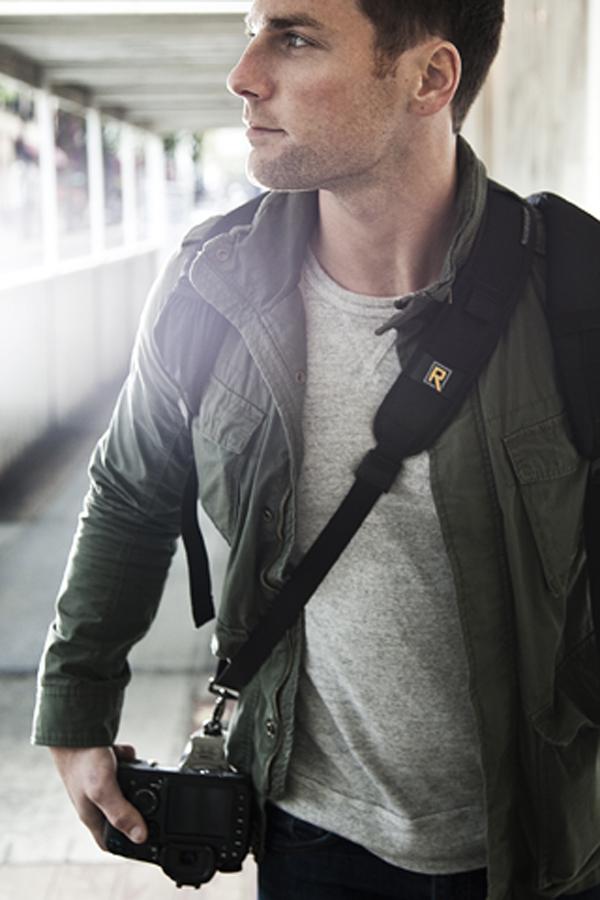
Credit: www.shutterbug.com
Safety And Comfort Tips
Protecting your gear and staying comfortable requires some extra care. Here are some expert insights:
- Weather Protection: Use a rain cover or waterproof bag in wet conditions.
- Padding Matters: Quality padding reduces shock if you bump or drop the bag.
- Avoid Overpacking: Too much gear increases risk of damage and back pain.
- Stay Aware: In crowded places, carry your bag in front or keep one hand on it to prevent theft.
Many beginners overlook that carrying a bag too low on your back increases risk of theft and can strain your lower back. Also, always double-check your zippers before moving—bags can open by accident, and you may not notice until it’s too late.
Comparing Bag Features
Certain features can make a big difference in how you carry your camera bag.
| Feature | Why It Matters |
|---|---|
| Padded straps | Reduces shoulder pain |
| Chest/waist belt | Improves weight distribution |
| Quick-access pocket | Easy to grab essentials |

Credit: www.youtube.com
Frequently Asked Questions
How Heavy Should My Camera Bag Be?
Ideally, your bag should be no more than 10-15% of your body weight to avoid strain.
Is It Safe To Carry My Camera Bag On One Shoulder?
For short trips, yes. For longer periods, switch sides or use a backpack to avoid muscle pain.
How Do I Keep My Gear Safe From Theft?
Keep your bag in front in crowded places, use lockable zippers, and stay aware of your surroundings. The New York Times Wirecutter has more tips on secure camera bags.
What Should I Do If It Starts Raining?
Use a rain cover or a waterproof bag to protect your camera and lenses from water damage.
Can I Bring My Camera Bag As A Carry-on When Flying?
Most camera bags fit as carry-on, but check airline size limits to avoid problems at the gate.
Carrying your camera bag correctly keeps you comfortable and your gear safe. With the right bag and a few smart habits, you’ll be ready for any photo adventure.